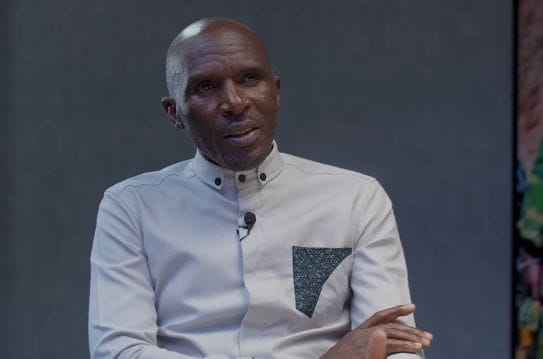











Former FDLR commander Augustin Nshimiyimana, known as Colonel Bora Manassé, has claimed that several former FDLR and ALiR officers continue to serve in senior positions within the Armed Forces of the Democratic Republic of Congo (FARDC), arguing that these links have made it difficult to separate the Congolese military from the armed group.

FDLR Remains a Major Source of Tension
The Democratic Forces for the Liberation of Rwanda (FDLR) has remained one of the biggest sources of tension between Rwanda and the Democratic Republic of Congo (DRC) for decades.
The armed group was formed by former members of the defeated Rwandan Armed Forces (Ex-FAR), Interahamwe militia members and officials from the government of former President Juvénal Habyarimana who fled to what was then Zaire after the 1994 Genocide against the Tutsi.
Initially operating as the Army for the Liberation of Rwanda (ALiR), the group was created with the aim of reorganising and eventually returning to Rwanda by force.
Former Commander Describes Early Integration into the Congolese Army
Augustin Nshimiyimana, known within the FDLR as Colonel Bora Manassé, told IGIHE that after crossing into Zaire, some former Ex-FAR and Interahamwe members settled in eastern Congo, while others crossed the Congo River before joining the Congolese military, then known as the Forces Armées Congolaises (FAC).
He said that although some later returned to eastern DRC, others remained in the Congolese army and continued their military careers. “During those movements, many joined the Congolese army, the FARDC. Many of them are still there today. In the east, in 2004, there was a process of integrating armed groups into the national army following the Sun City agreements in South Africa. Some ALiR soldiers also joined the FARDC.”
ALSO READ: https://agaciropress.com/rwandair-acquires-new-airbus-a330-200-aircraft/
Bora Identifies Officers He Says Remain in the FARDC
According to Bora, several former ALiR members who integrated into the FARDC still occupy senior positions.
He identified Rucyahana Jean Baptiste, known as Colonel Jules Mulumba among the Wazalendo, as one of those who remained in the military.
He also named Annaclet Nsengiyumva, who he said rose from Premier Sergeant in ALiR to colonel and now works in the DRC military intelligence service, DEMIAP. “He is now a colonel and works in DEMIAP. We left him in Kamina, where he remained with two platoons of soldiers after being integrated into the army.”
Bora further claimed that Mbangu Mbangu, formerly a corporal in ALiR, now commands a regiment in Ituri Province as a FARDC colonel.
He also alleged that an officer known as Karati, who was also a corporal in ALiR, is now a lieutenant colonel commanding a battalion in Misisi, Fizi Territory, South Kivu Province.
ALSO READ: https://agaciropress.com/kayonza-bus-station-expansion-underway/
Claims of Former ALiR Members Serving Across FARDC Units
Bora claimed that former ALiR members continue serving in various FARDC units under different identities.
He said officers known as Major Karokota, Captain Karekezi and Captain Libya are among those serving in the 201st Regiment. “We used to go by different names. We know each other and lived together. There are many of them.”
Allegations of Early Cooperation With Congolese Armed Groups
Bora also claimed that after fleeing to refugee camps in eastern Zaire in 1994, former Ex-FAR and Interahamwe members spread genocidal ideology and became involved in local conflicts.
According to his account, they supplied weapons and military training to Congolese groups during the MAGRIVI conflict involving the Batembo and Banyanga communities in North Kivu.
He alleged that several Congolese military officers later rose through the ranks after receiving training from former ALiR members.
Among those he mentioned were Brigadier General Mugabo Hassan, Major General Mayanga and Brigadier General Davide.
Bora Questions Whether FARDC Can Fight the FDLR
Bora argued that the alleged presence of former FDLR members within both the FARDC and the Wazalendo coalition makes it difficult to distinguish between the different armed actors. “So who is going to fight the FDLR? It is inside the FARDC, and it is also inside the Wazalendo. So where will they remove the FDLR from when everyone has become intertwined?”
He claimed that operations targeting the FDLR are complicated by overlapping relationships between different armed groups operating in eastern DRC.
ALSO READ: https://agaciropress.com/kagame-denies-rwanda-agreed-to-return-2015-coup-suspects-to-burundi/
Calls for International Pressure
Bora said he believes the DRC government could eventually separate its forces from the FDLR if sufficient pressure were applied by the international community.
He argued that stronger international pressure could help push Kinshasa to dismantle the armed group and break any remaining links between the FDLR and state security structures.
The FDLR remains one of the key issues in relations between Rwanda and the DRC, and dismantling the group is among the provisions included in recent regional peace initiatives aimed at reducing insecurity in eastern Congo.