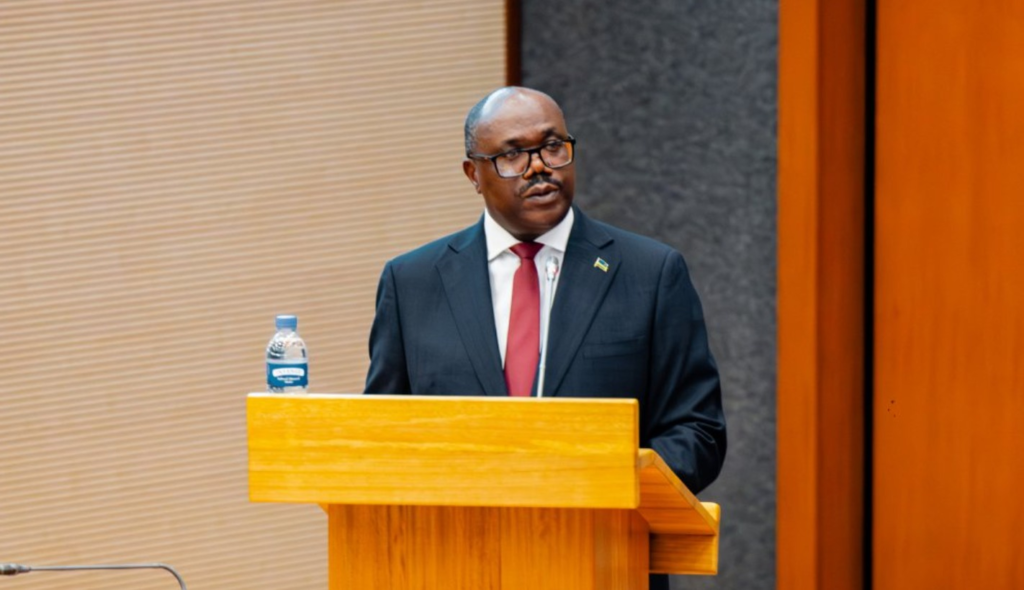






























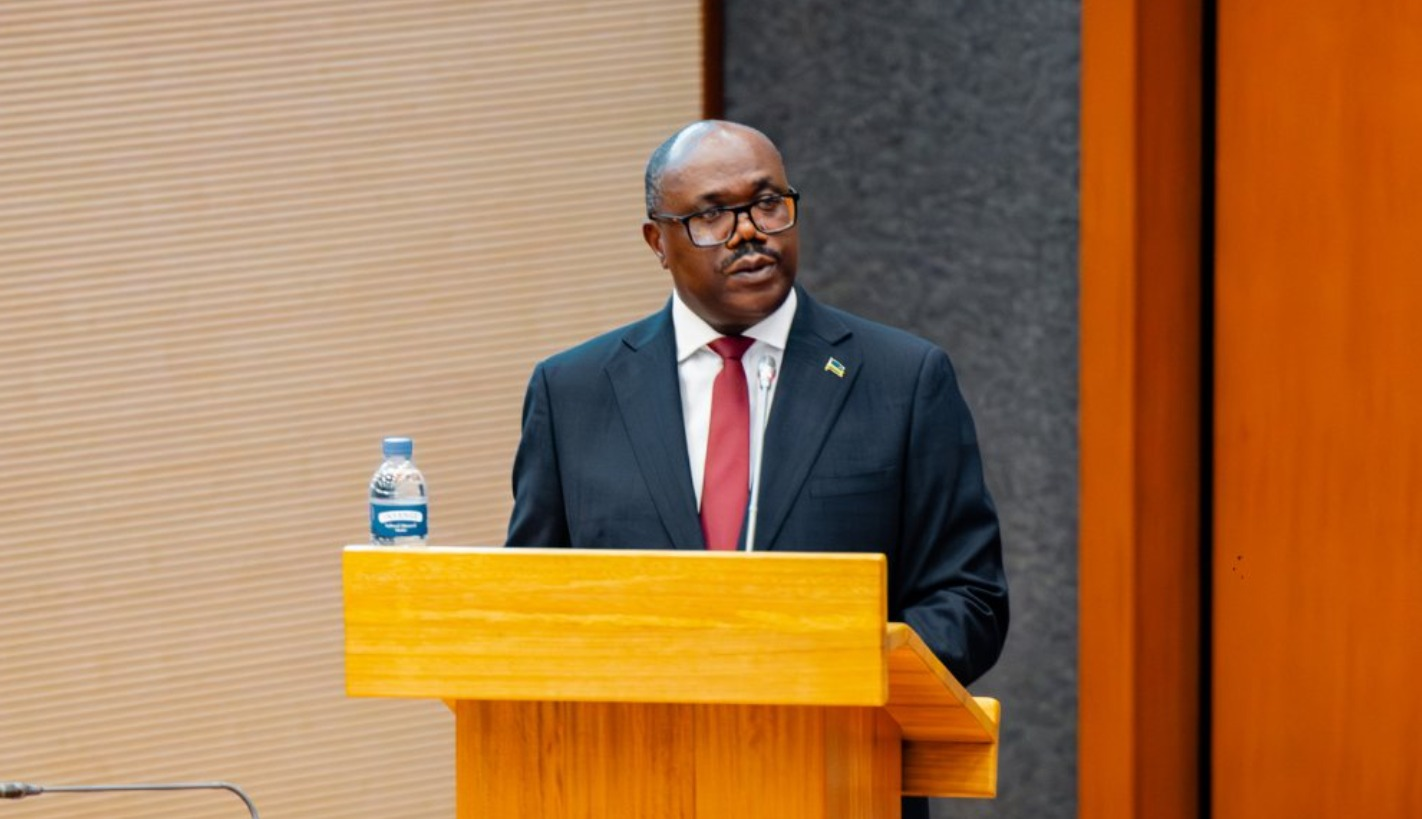
Prime Minister Dr. Justin Nsengiyumva has revealed that the Government of Rwanda invested more than Rwf47.7 billion between March and June 2026 to cushion citizens from soaring global fuel prices, ensuring that diesel remained at Rwf2,927 per litre instead of rising to Rwf3,600.

The temporary subsidy was introduced to protect households and businesses from the economic impact of the conflict in the Middle East, which has sharply driven up international oil prices.
ALSO READ: https://agaciropress.com/brig-gen-karuretwas-words-that-stopped-rpa-soldiers-from-seeking-revenge/
Global Conflicts Drive Up Oil Prices
International trade has been among the sectors hardest hit by ongoing global conflicts, particularly the war in the Middle East, which has disrupted energy supplies and triggered sharp increases in fuel prices worldwide.
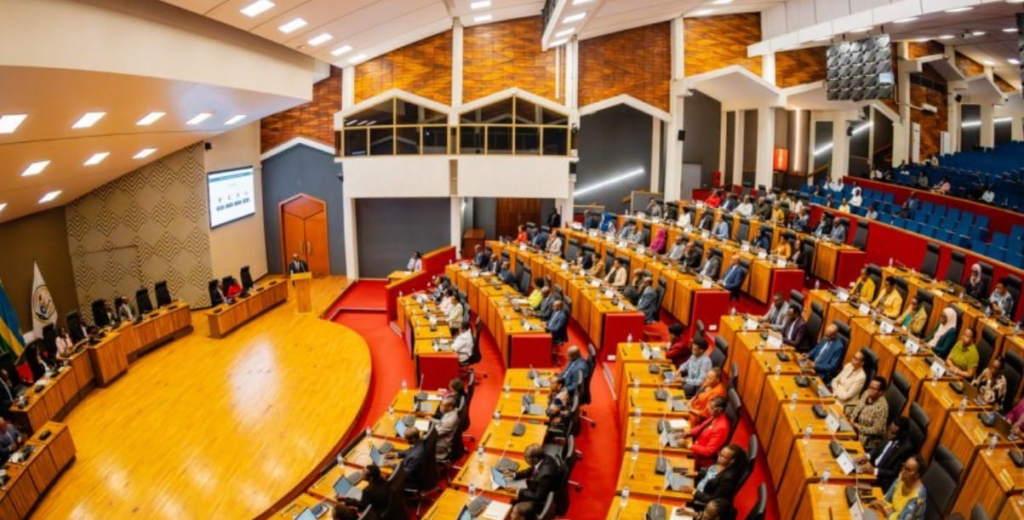
Presenting the government’s measures to strengthen Rwanda’s economy and protect citizens’ livelihoods before a joint sitting of Parliament on July 9, 2026, Prime Minister Dr. Justin Nsengiyumva said global petroleum prices have risen significantly since February 2026.
He explained that the price of a barrel of crude oil increased from about US$70 to more than US$126, resulting in a 48% increase in gasoline prices and a 50% increase in diesel prices on international markets.
ALSO READ:
Fuel Subsidy Introduced to Protect Consumers
The Prime Minister said the government introduced a temporary fuel subsidy to reduce the impact of rising fuel prices on transportation, agriculture, businesses, and the overall cost of living.
“The government has put in place a plan to mitigate the impact of rising fuel prices through a subsidy provided from March to June 2026, amounting to about Rwf48 billion, which was invested in the transportation of people and goods. This subsidy has kept the price of diesel fuel at Rwf2,927 per litre, instead of reaching the actual price of Rwf3,600 if it were based on the international market,” he said.
He noted that the intervention prevented sharp increases in transport fares and the prices of essential goods, helping shield households and businesses from severe economic disruption.
Fuel Prices Remain Stable
Retail fuel prices in Rwanda have remained unchanged since March 5, 2026, despite continued volatility in global energy markets.
A litre of gasoline continues to sell at Rwf2,938, while diesel remains at Rwf2,927 per litre.
According to the Prime Minister, maintaining stable fuel prices has helped preserve economic activity while easing pressure on consumers and businesses.
Rwanda Strengthens Strategic Fuel Reserves
To enhance the country’s energy security, Rwanda is expanding its strategic fuel storage infrastructure.
Dr. Nsengiyumva said the country’s petroleum storage capacity currently stands at 118 million litres and is projected to nearly double to 230 million litres by 2029.
he said: “This will help the country cope with fluctuations in international markets and ensure a stable supply of fuel,”
Public Transport Continues to Attract More Passengers
The Prime Minister also highlighted growing public confidence in Rwanda’s transport system, noting that bus ridership has increased by 15% over the past six months.
He attributed the increase to continued government investment in affordable and reliable public transportation, alongside measures to cushion citizens from the effects of rising global fuel prices.