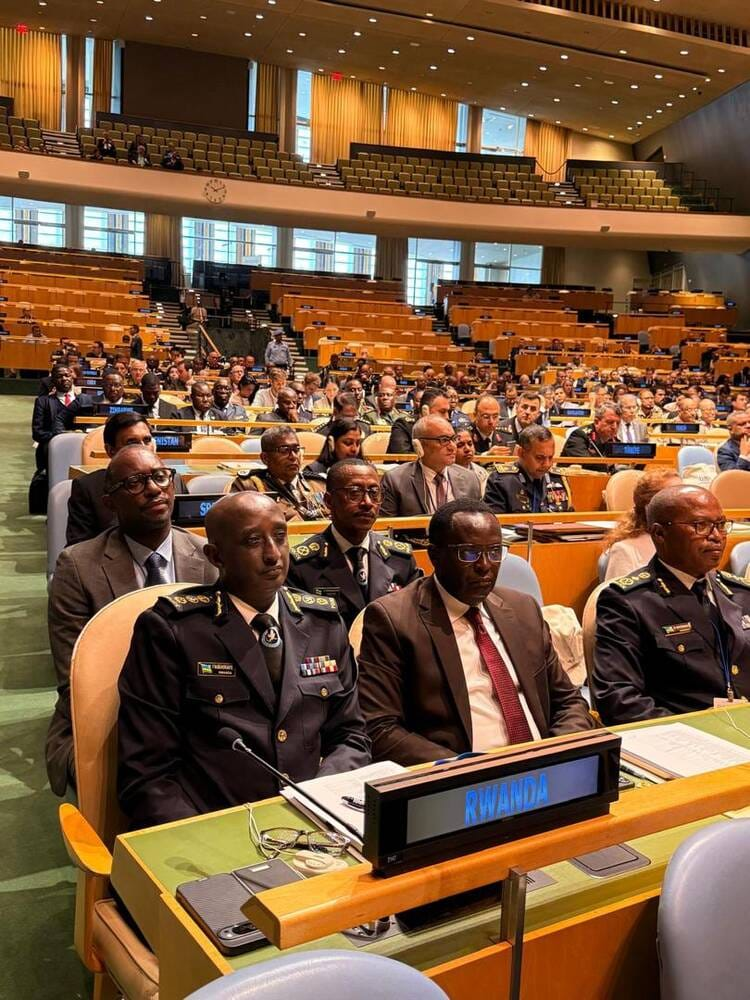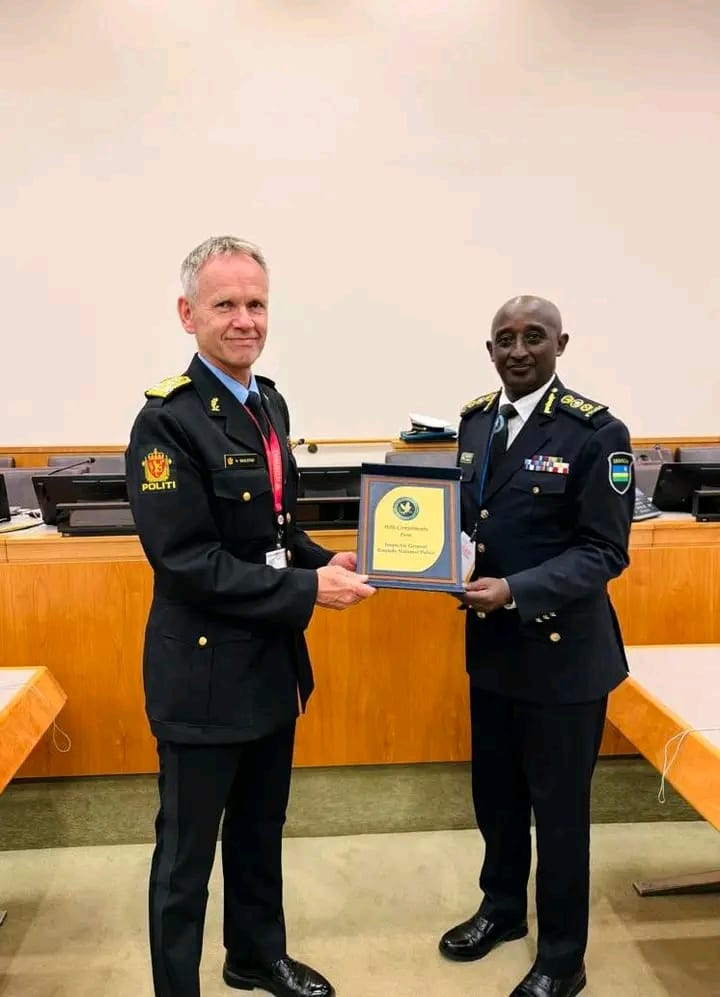




























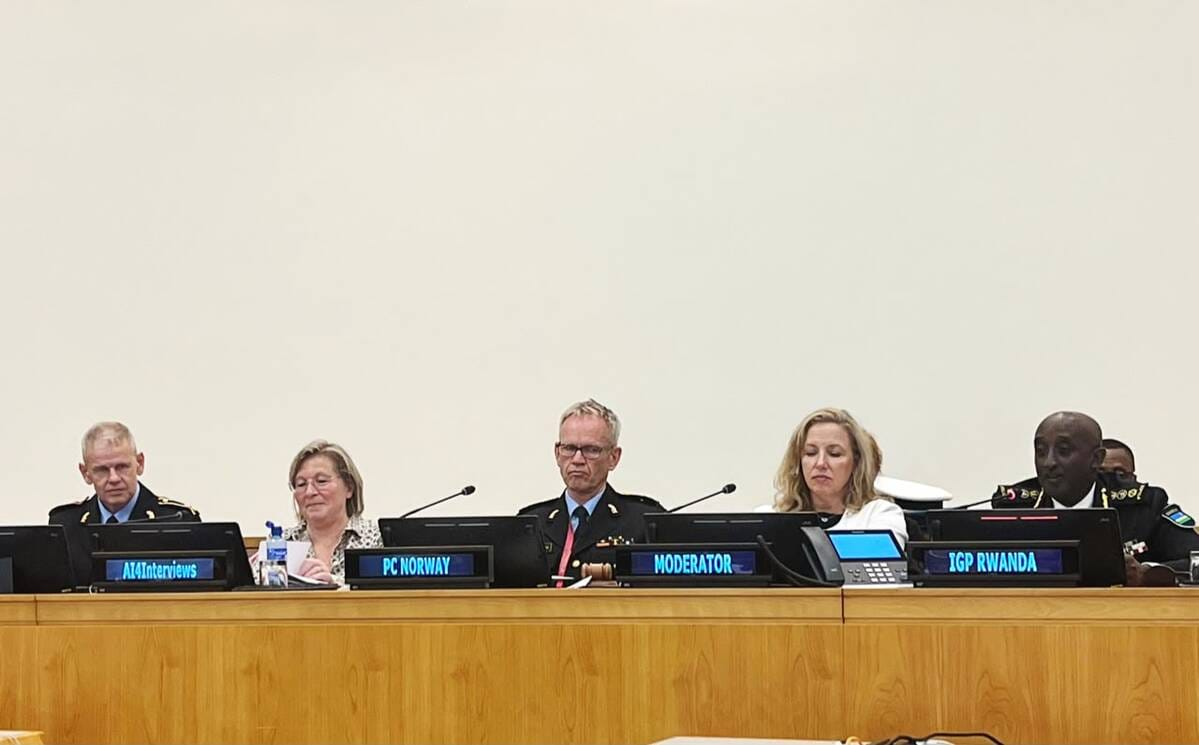
Inspector General of Police (IGP) CG Felix Namuhoranye on Tuesday, July 7, participated in the Fifth United Nations Chiefs of Police Summit (UNCOPS 2026) held at the United Nations Headquarters in New York, United States.

The two-day summit brought together ministers, police chiefs, gendarmerie commanders, and senior United Nations officials to discuss emerging global security challenges, strengthen cooperation between the United Nations and national law enforcement agencies, and shape the future of UN policing.
Global Police Leaders Discuss the Future of Security and UN Policing
UNCOPS 2026 served as a platform for international police leaders to exchange experiences and develop strategies for addressing evolving security threats.
The summit focused on enhancing cooperation between the United Nations and member states while promoting innovation, professionalism, and effective policing in support of global peace and security.
IGP Namuhoranye joined fellow law enforcement leaders in discussions aimed at strengthening partnerships and improving the effectiveness of policing in an increasingly complex security environment.
IGP Highlights AI’s Role in Modern Crime Scene Investigations
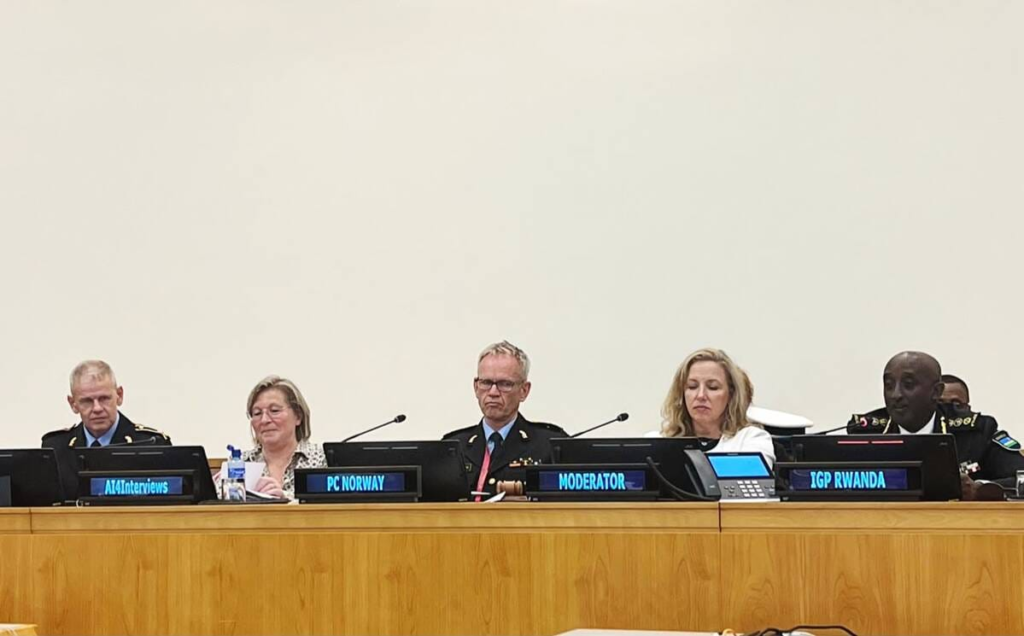
On the sidelines of the summit, IGP Namuhoranye participated in a special session titled “Responsible AI Innovation Within Crime Scene Investigation: Integrating Smart Hands-Free Head Camera and AI-Powered Tools to Revolutionize Forensic Documentation.”
Delivering the closing remarks, he emphasized the transformative potential of artificial intelligence in improving forensic investigations.
According to the IGP, AI-powered tools and smart hands-free head cameras can significantly improve crime scene management by enhancing the accuracy of evidence collection, increasing efficiency, reducing human error, and strengthening the reliability of forensic documentation.
IGP Namuhoranye said: “Technology is not simply transforming forensic science; it is redefining how we pursue truth, accountability, and justice,”
Responsible AI Must Protect Human Rights and Justice
While acknowledging the benefits of artificial intelligence, IGP Namuhoranye stressed that its application in forensic investigations must be guided by clear ethical standards and legal safeguards.
He said transparency, accountability, privacy protection, and respect for human rights should remain central to the use of AI in policing: “Artificial intelligence is not replacing professional judgment it is supporting it. The integrity of crime scene investigations depends on striking the right balance between technological innovation and ethical responsibility,”
He further noted that responsible adoption of AI requires strong governance frameworks, continuous training of investigators, robust data protection measures, and close collaboration between law enforcement agencies, forensic experts, and technology developers.
Rwanda Reaffirms Commitment to Innovation in Law Enforcement
IGP Namuhoranye reaffirmed Rwanda’s commitment to embracing emerging technologies that strengthen public safety while upholding the rule of law and enhancing public confidence in justice institutions.
He said adopting innovative technologies must go hand in hand with ensuring they remain secure, trustworthy, and aligned with legal and ethical standards: “Responsible adoption of these technologies is not simply about embracing innovation; it is about ensuring they are trusted, secure, and aligned with the rule of law,”
The Inspector General also thanked participants for their contributions to advancing responsible innovation in forensic science and emphasized the value of continued international cooperation in shaping the future of digital policing.
UNCOPS 2026 Strengthens International Police Cooperation
The United Nations Chiefs of Police Summit (UNCOPS 2026) provided an important platform for global police leaders to share best practices, promote innovation in policing, and strengthen collaboration between the United Nations and national law enforcement institutions.
The summit also reinforced the critical role of professional policing in preventing conflict, supporting peacekeeping operations, and sustaining international peace in an increasingly digital and interconnected world.