









One of the principal architects of the 1994 Genocide against the Tutsi and a major financier of its implementation — this is how many people who knew Félicien Kabuga describe him.

The elderly businessman died while in United Nations custody before a final judicial ruling on his genocide charges had been reached. In November 1993, Kabuga’s company imported 25 tons of machetes from China. In March 1994, he purchased an additional 50,000 machetes. These weapons were later used during the Genocide against the Tutsi, alongside other traditional weapons he allegedly distributed.
Kabuga died at a hospital in The Hague, Netherlands, where he had been held temporarily while awaiting transfer arrangements. His death was officially confirmed on May 16, 2026, by the International Residual Mechanism for Criminal Tribunals (IRMCT).
Fugitive Years and Arrest
In May 2020, French prosecutors confirmed the arrest of Félicien Kabuga, who had spent many years evading justice over allegations linked to his role in the 1994 Genocide against the Tutsi. He had remained a fugitive for 26 years, reportedly aided by networks in various Western countries.
Following the announcement of a US$5 million reward for information leading to his arrest, Kabuga allegedly took extensive measures to eliminate anyone suspected of revealing his whereabouts. IBUKA stated that Kabuga’s death does not erase the crimes committed during the genocide, stressing that survivors should continue receiving justice, particularly through compensation claims.
Early Life and Rise to Wealth
Born and raised in what is now Mukarange Sector in Gicumbi District, Kabuga was initially remembered as a small‑scale trader selling various items by hand. He later became involved in cross‑border smuggling activities, importing goods from Uganda and rapidly accumulating wealth before relocating to Kigali and emerging as one of Rwanda’s most influential businessmen.
Interahamwe Trained at Kabuga’s Residence
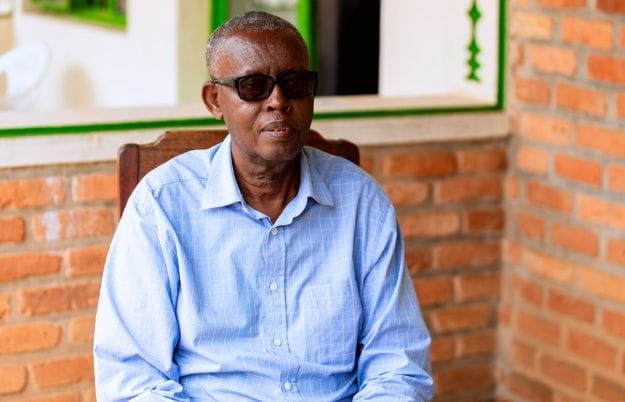
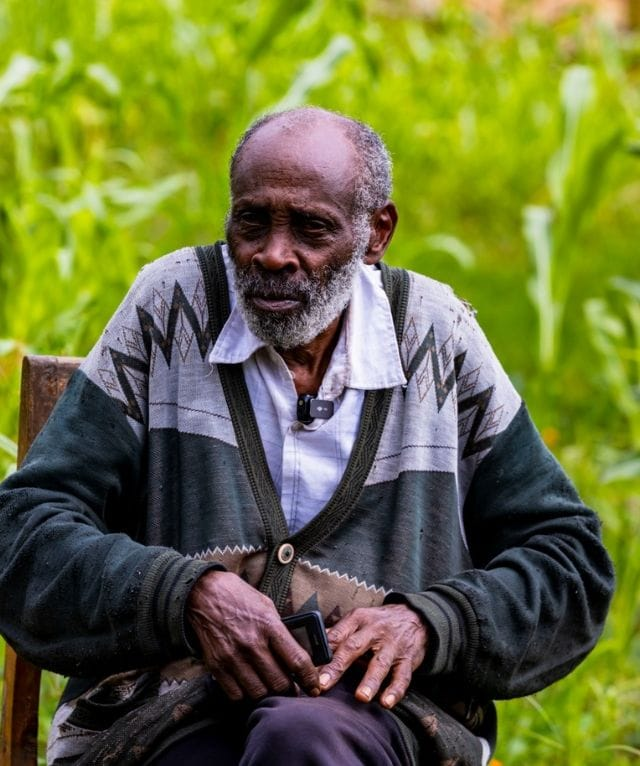
Pierre Zukuriza, 68, a native and current resident of Kimironko and President of IBUKA in Gasabo District, was among Kabuga’s neighbours before the 1994 Genocide against the Tutsi. He told IGIHE that Kabuga initially operated as an ordinary businessman in Kigali, but later changed significantly.
ALSO READ: Crowned Champions of the 2026 Rutsindura Memorial Volleyball Tournament
According to Zukuriza, Kabuga owned a large estate of more than one hectare where Interahamwe militias from Kimironko and surrounding areas gathered to receive training on how they would kill Tutsi. They conducted drills and held meetings there, openly discussing their plans and receiving payments. Recruits were rewarded with cooking oil, soap, and other items, which they sold to buy alcohol.
Fear Among Neighbours
Zukuriza explained that many Interahamwe members in Kimironko came from poor backgrounds and could not afford machetes. However, after President Juvénal Habyarimana’s plane was shot down, those same groups appeared in the streets carrying machetes, axes, and clubs while boasting about plans to kill Tutsi.
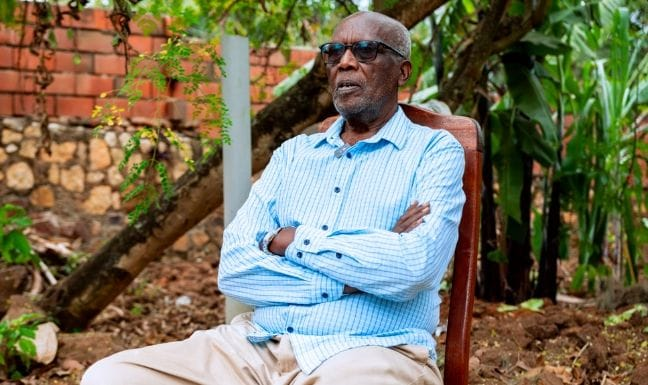
Pierre Celestin Sinderibuye, another former Kimironko resident, said Kabuga’s residence was feared because it was guarded by young men from Byumba who intimidated locals. These men received supplies, sold them for alcohol, and publicly spoke about attacking Tutsi. Witnesses noted that many of those brought from Byumba used false names, making prosecution difficult today.
Former Convict Links Kabuga to Genocide Planning
Kabuga’s involvement was further discussed by Grégoire Nyirimanzi, serving a sentence at Nyarugenge Prison for genocide‑related crimes. Nyirimanzi, formerly a councillor in Nyakabanda Sector, stated in April 2026 that numerous meetings were held at Kabuga’s properties and that Kabuga personally attended some of them. He assured participants of support whenever needed and pledged financial and logistical assistance for food and operations.
Family Ties with President Habyarimana
Zukuriza also stated that Kabuga maintained a close relationship with former President Juvénal Habyarimana, strengthened by family connections. Habyarimana’s son Jean‑Pierre married Kabuga’s daughter, while another son married another of Kabuga’s daughters.
Their relationship was exceptionally close because they became family through marriage. Despite Kabuga’s death, he left behind significant property holdings in Kimironko, Muhima, Kimihurura, and Byumba, which survivors argue should be used for compensation.
Kabuga’s Role in RTLM
Kabuga was among the key figures behind the establishment of Radio Télévision Libre des Mille Collines (RTLM), launched on July 8, 1993. The station played a significant role during the genocide, spreading propaganda and incitement.
ALSO READ: Rwanda and Russia Commit to Strengthening Military Cooperation
Kabuga chaired the initiative committee that created RTLM, alongside Dr. Ferdinand Nahimana, Joseph Serugendo, Ephrem Ntezabera, and Jean Bosco Barayagwiza. President Habyarimana was reportedly its principal shareholder. RTLM worked closely with the state media institution ORINFOR, with several well‑known journalists contributing to its operations.