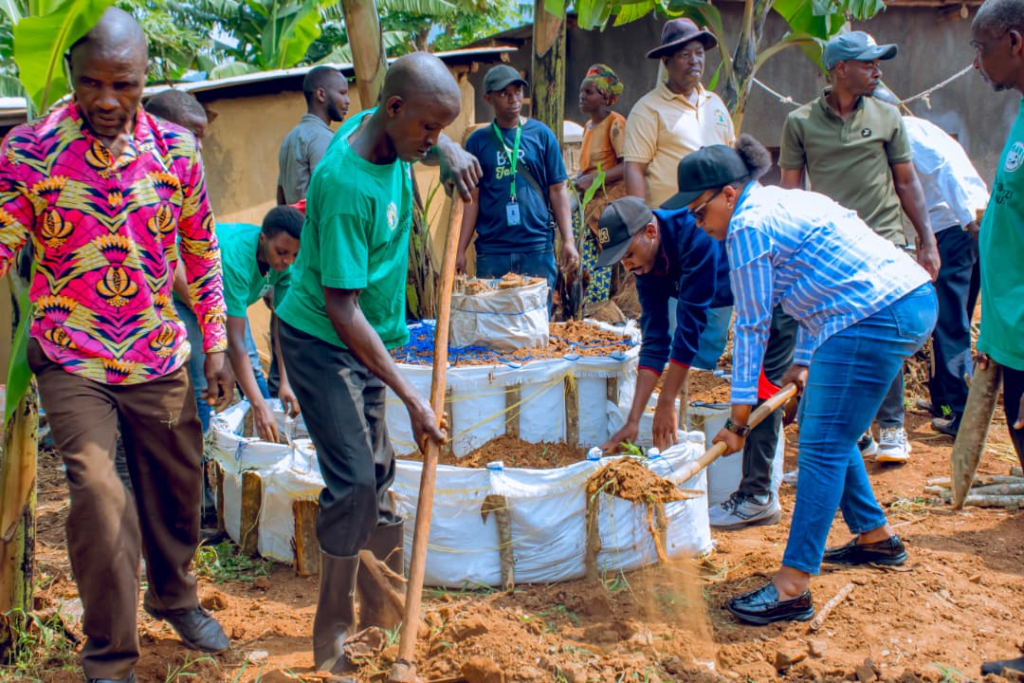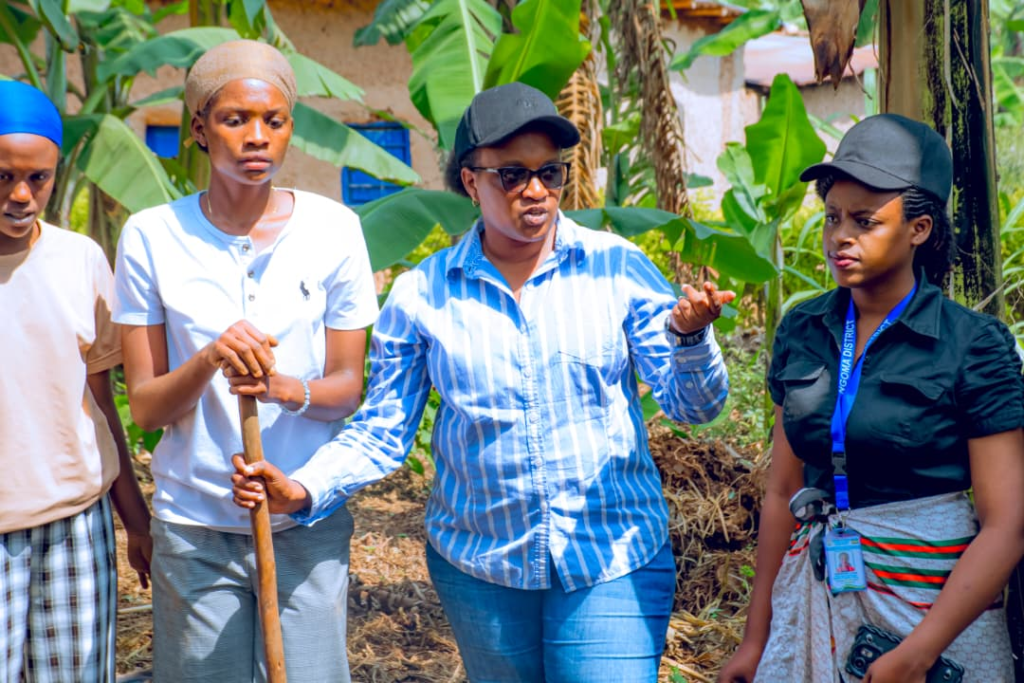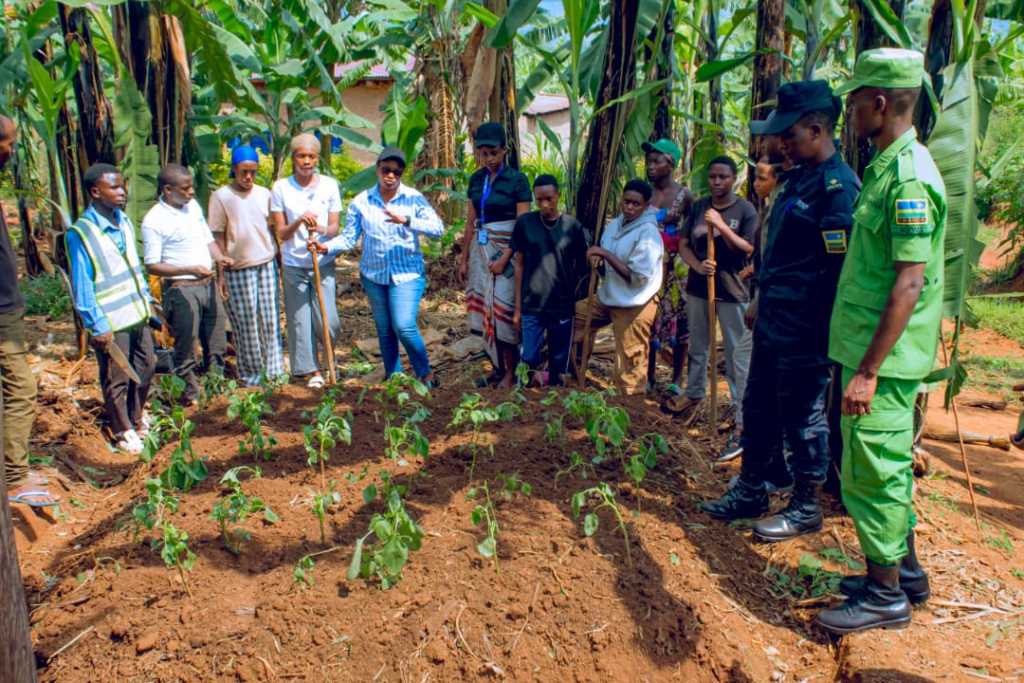




























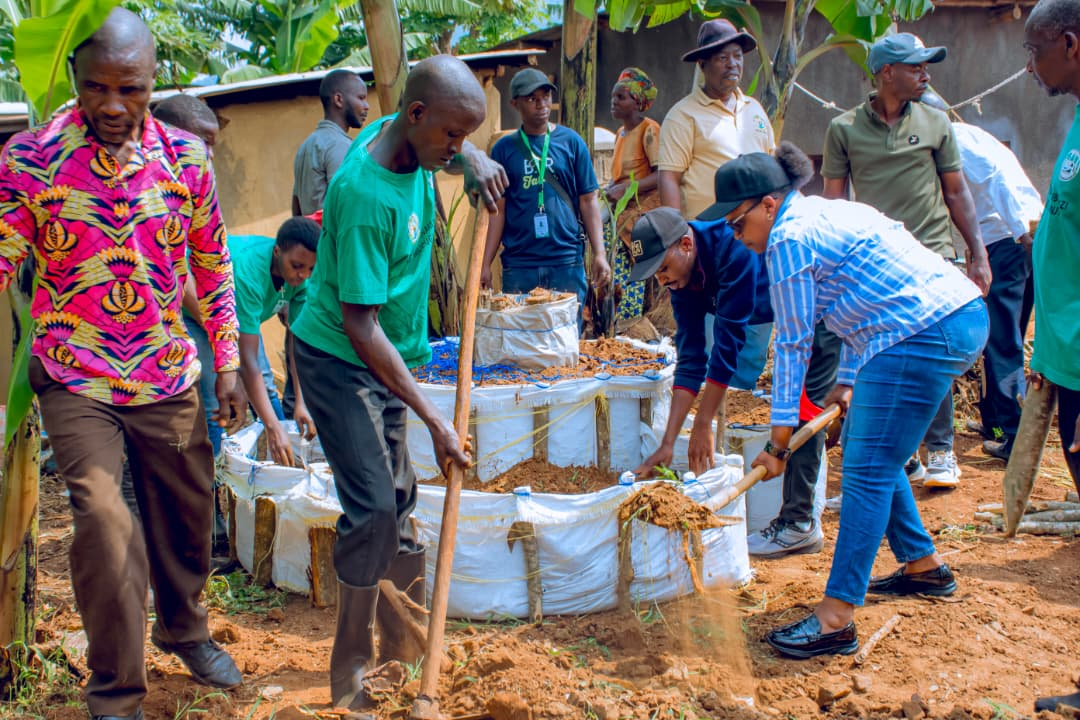
Residents of Ngoma District, particularly in Gashanda Sector, Ngoma Cell, have been urged to strengthen kitchen garden initiatives. Local authorities explained that kitchen gardens are a key strategy to fight malnutrition and improve household nutrition. Additionally, they said that households can gain both health and economic benefits from this practice.

ALSO READ: Rwanda Urges Equal Enforcement of International Law
Community Awareness Campaig
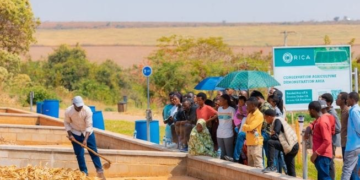
The message came during a community awareness campaign organized by local authorities together with health and social welfare partners. The campaign aimed to educate residents about the importance of kitchen gardens. Furthermore, it emphasized how they provide balanced diets and affordable food at the household level.
Addressing Nutrition Challenges
Local leaders noted that, although progress has been made in reducing malnutrition, some families—especially those with young children, pregnant women, and breastfeeding mothers—still face nutrition-related challenges. Consequently, authorities prioritized kitchen gardens as a sustainable solution.
Growing a Variety of Nutritious Foods
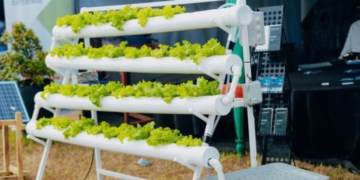
During the sensitization sessions, residents were encouraged to grow a range of vegetables and fruits near their homes. Suggested crops include amaranth, beetroot, cabbage, tomatoes, carrots, and leafy greens. Kitchen gardens ensure easy and regular access to nutritious food.
The Executive Secretary of Gashanda Sector stated: “Have a kitchen garden and live a healthy life. Kitchen gardens help families access essential foods daily, enabling children to grow well and parents to maintain good health.”
He also urged residents to adopt kitchen gardens as a permanent household practice. Moreover, he emphasized the involvement of men and youth to ensure sustainability and long-term impact.
Ongoing Support and Government Alignment
Authorities from Ngoma Cell confirmed that the awareness campaign will continue. They also said that regular follow-ups and household-level guidance will ensure that kitchen gardens remain productive. In addition, the initiative aligns with the Government of Rwanda’s policies to promote good nutrition, reduce child stunting, and improve overall welfare. Residents were further encouraged to share experiences and support households without gardens, so that every family benefits from a productive kitchen garden contributing to daily nutrition.