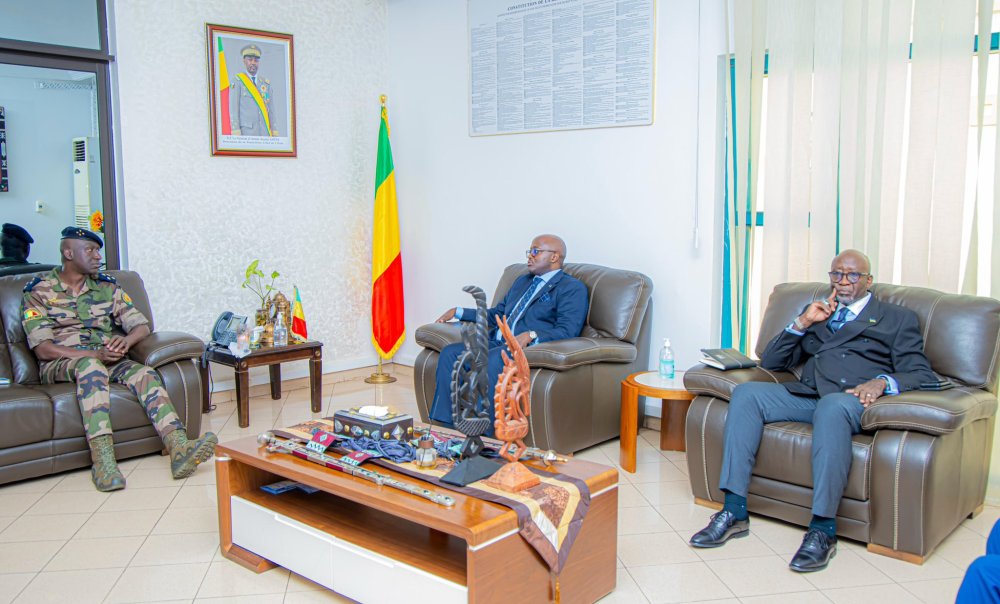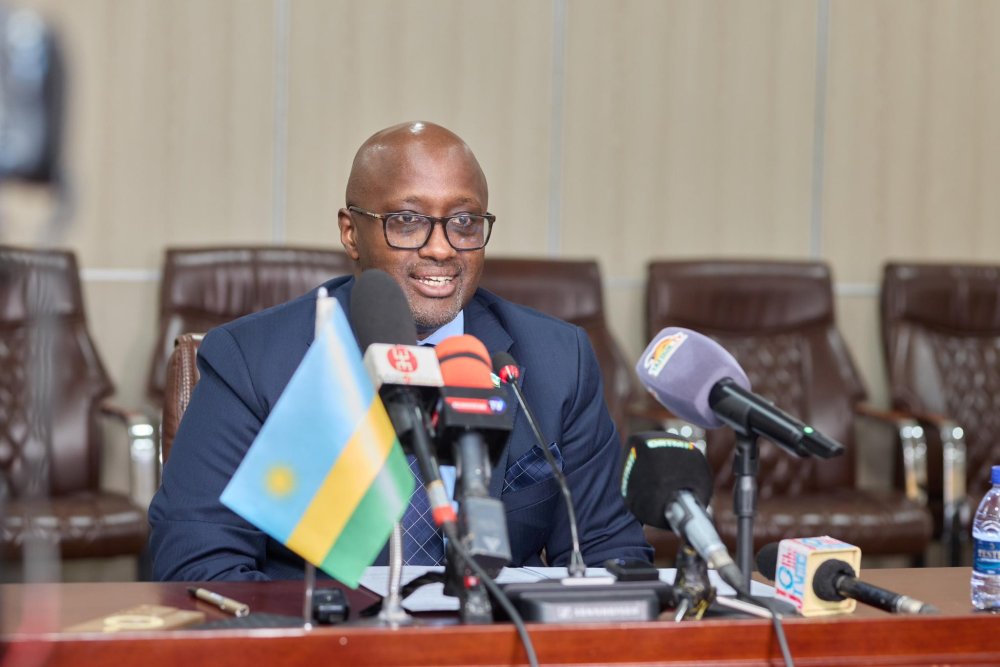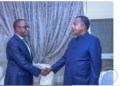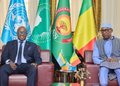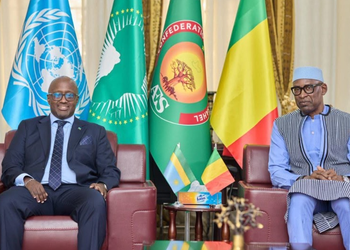
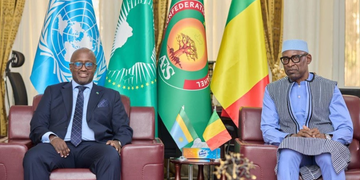

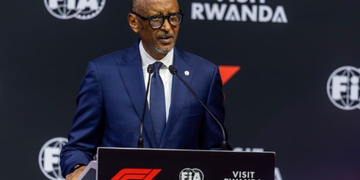












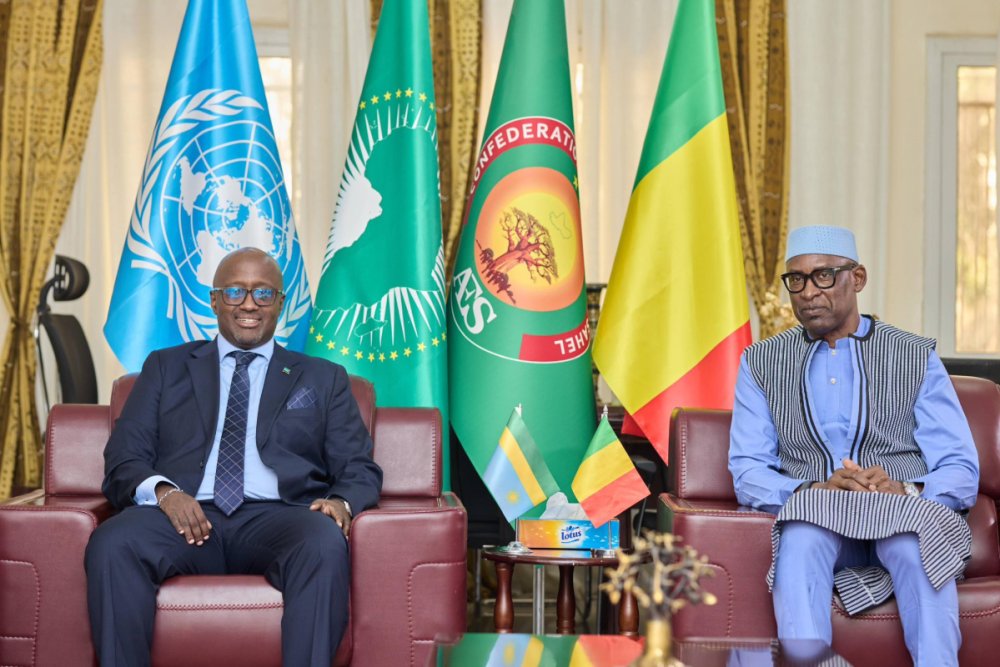
The Minister of Foreign Affairs of Mali, Abdoulaye Diop, has received his Rwandan counterpart, Ambassador Olivier Nduhungirehe, for key bilateral discussions focused on strengthening regional peace. The diplomatic meeting took place in Bamako, the capital city of Mali, where Minister Nduhungirehe is currently conducting an official working visit.

The two senior officials held constructive consultations to explore new avenues for bilateral collaboration. Consequently, both nations agreed to intensify joint efforts to address shared security challenges across the African continent.
In a statement shared on his X account on the morning of October 13, 2026, Minister Nduhungirehe highlighted the core outcomes of the Bamako diplomatic session. Ambassador Olivier Nduhungirehe stated, “Our discussions focused on continuing cooperation in international forums and on peace and security issues in the regions where both countries are located, as well as on the African continent in general.”
Visite de travail au Mali, durant laquelle j’ai rencontré mon homologue et ami Abdoulaye Diop. Dans notre réunion, nous avons échangé sur le renforcement des relations bilatérales et de la coopération multilatérale, ainsi que la paix et la sécurité dans nos régions respectives et sur le continent africain. 🇲🇱🇷🇼
— Olivier J.P. Nduhungirehe (@onduhungirehe) October 13, 2026
Furthermore, he noted that the discussions covered practical strategies to continuously improve bilateral ties and expand cooperation in resolving common challenges, particularly regarding the promotion of peace and stability.
Rwanda Shares Post-Genocide National Reconciliation Models to Support Malian Peace Initiatives
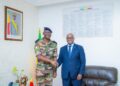
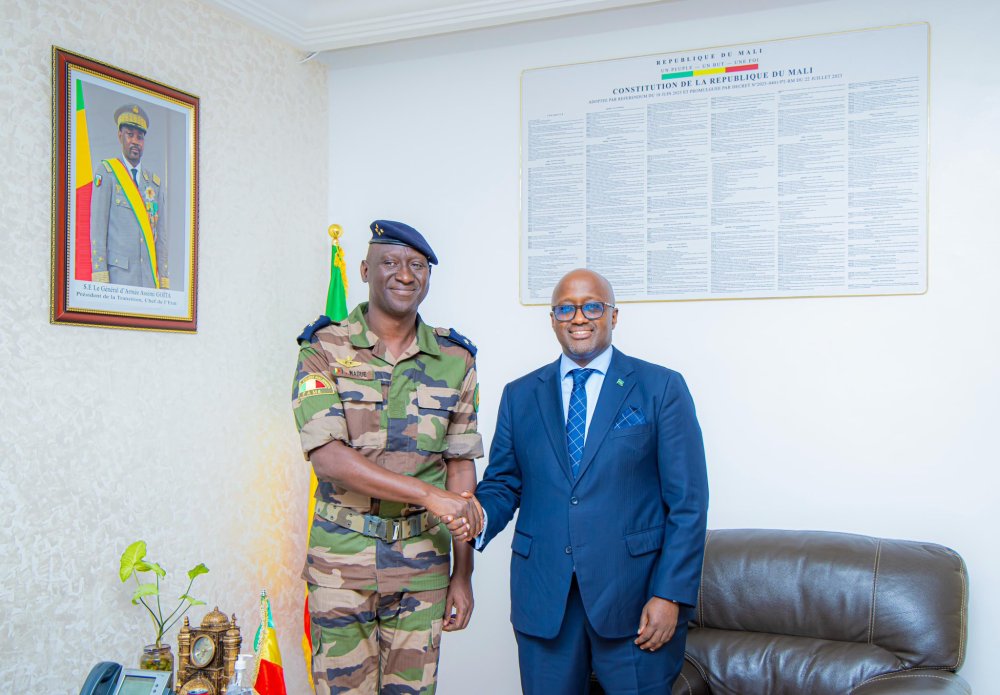
During his official visit, Minister Nduhungirehe also met with Mali’s Minister of National Unity and Reconciliation, Lieutenant General Ismaël Wagué. Their discussion centered on evaluating practical strategies to promote unity and social cohesion among the people of Mali.
Rwanda possesses extensive historical experience in building social cohesion following the 1994 Genocide against the Tutsi. Over the past three decades, the Rwandan government established specialized programs and institutions designed to restore public trust, promote harmonious living, and consolidate national unity, which continues to drive inclusive socio-economic progress today.
Mali continues to confront persistent security challenges and internal conflicts, making sustainable peace and national unity critical priorities for long-term stability. Strategic bilateral relations between both nations have expanded steadily since Mali officially opened its embassy in Rwanda in February 2017.
Following that milestone, both governments signed multiple key agreements in 2023, creating a strong foundation for sustainable economic development. Additionally, in 2024, Rwanda and Mali signed nineteen comprehensive legal instruments designed to foster inclusive development and deepen institutional cooperation.