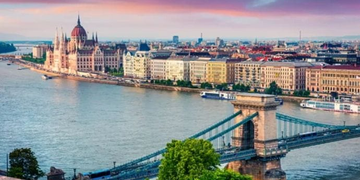



























It is difficult to list the world’s most popular tourist destinations without mentioning Budapest, a city of more than 1.6 million residents situated along the banks of the Danube River in the Carpathian Basin. Budapest is known worldwide. Interestingly, many people seem to recognise the city without necessarily knowing the country in which it is located. Ask them to name Hungary, and only a few may be able to do so. This is partly because Budapest frequently features in the media and films, making it a popular tourist destination. In 2025 alone, Budapest welcomed more than eight million visitors out of the 20 million tourists who visited Hungary.

The city is famous for several reasons, including its history, architecture, safety, efficient transport system and many other attractions. Budapest stretches across both banks of the Danube, one of Europe’s longest rivers, which many of us may remember studying in school. One side of the river is known as Buda, while the other is called Pest. These two areas, together with a third district called Óbuda, were united in 1873 to form Hungary’s capital, Budapest.
In 1987, the banks of the Danube in Budapest were inscribed on the UNESCO World Heritage List. Today, the city is home to more than 1.5 million people, while Hungary’s total population exceeds nine million. If you have never visited this city, which covers an area of approximately 525 square kilometres, take a few minutes to explore it with IGIHE and satisfy your curiosity. That way, when you eventually visit, you will already be familiar with many of its attractions.
ALSO READ: https://agaciropress.com/fire-breaks-out-at-goico-market-in-musanze/
The Danube River: The Heart of Budapest
When I arrived in Budapest, the first thing that caught my attention was a large river. When I asked about it, I was told it was the Danube. I immediately remembered studying it in secondary school, although geography enthusiasts probably know much more about it than I do. The Danube stretches approximately 2,850 kilometres, making it the second-longest river in Europe after the Volga. Beyond the history it carries, it would not be an exaggeration to say that much of Budapest’s life revolves around this river.
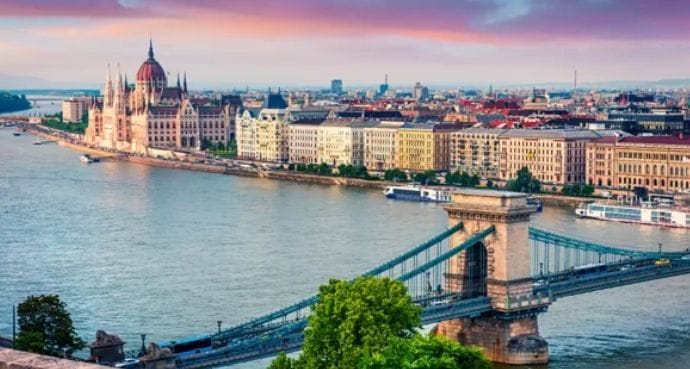
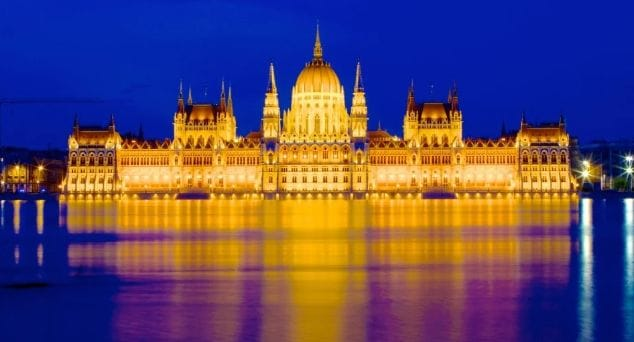
Any exploration of the city naturally begins along its banks, where some of its most impressive buildings stand. Magnificent structures line the waterfront, alongside romantic spots where a young man might walk for kilometres to ask the woman he loves to spend the rest of her life with him. One of the most magnificent buildings along the river is the Hungarian Parliament Building, which houses the country’s Parliament. Its construction began in 1885 and was completed in 1904. From near the Parliament Building, you can see a hill crowned with historic structures that tell important stories about Hungary, a country that was once under Ottoman rule.
These landmarks include Sándor Palace, the official residence of Hungary’s president; the Carmelite Monastery, which serves as the Prime Minister’s office; and Buda Castle, which served as the residence of Hungarian kings from the 13th century. Another notable structure on the hill is Fisherman’s Bastion, built in 1895. Its seven towers represent the seven Magyar tribes that played a major role in the conquest and settlement of the Carpathian Basin.Once you climb the hill, particularly to Fisherman’s Bastion, you are rewarded with a magnificent panoramic view of Budapest, including the Parliament Building and other landmarks.
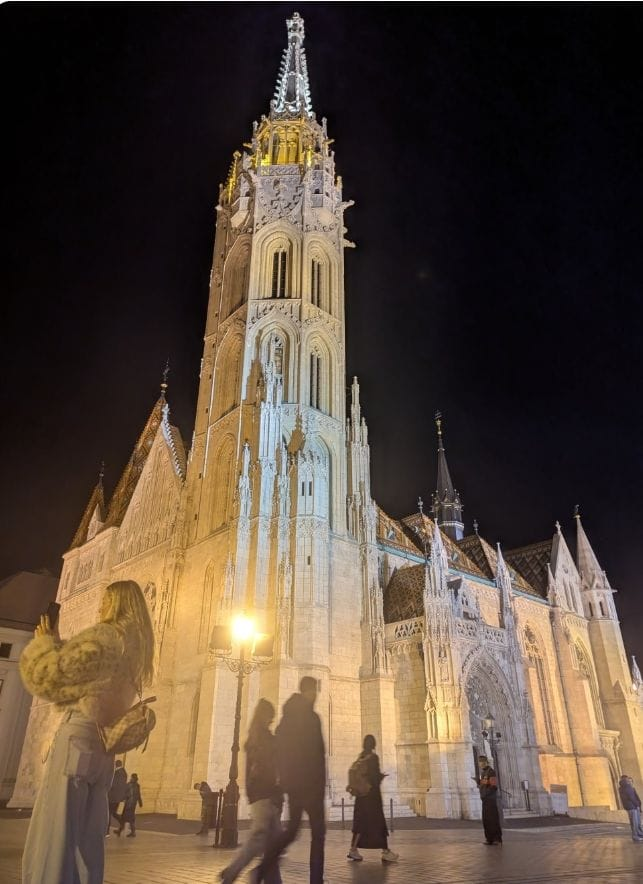
It is difficult to leave this hill without visiting the church dedicated to the Virgin Mary, commonly known as Matthias Church. The church is associated with King Matthias Corvinus, who held his wedding there in the 15th century. Originally built in the 13th century, the church was converted into a mosque when the Ottoman Empire conquered Hungary in the 16th century. More than a century later, it returned to Catholic worship after Hungary regained control of the area from Ottoman rule.
Budapest’s Magnificent Bridges
After leaving the hill, you can descend towards the Danube. The bridges spanning the river will naturally capture your attention because of their remarkable engineering and historical significance.
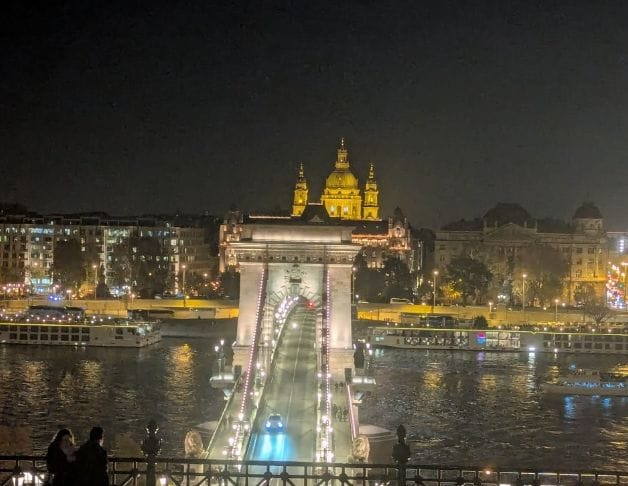
One of them is the Széchenyi Chain Bridge, named after Count István Széchenyi. According to historical accounts, he once found himself unable to cross the river to attend his father’s funeral because there was no bridge and the river had frozen over.
The bridge opened in 1849, becoming the first permanent bridge to connect Buda and Pest. Today, it remains one of Budapest’s most recognisable landmarks.
As you continue walking along the riverbanks and looking from one side to the other, you will notice another hill that attracts many visitors: Gellért Hill. Rising high above the city, it offers spectacular views of Budapest from its summit, almost as though you were a bird flying overhead.
The hill is named after Saint Gerard, known in Hungarian as Szent Gellért, an Italian missionary who was killed by opponents of Christianity in 1046. According to historical accounts, he was placed inside a barrel and rolled down the hill until he reached the Danube.
ALSO READ: https://agaciropress.com/tiwa-savage-reveals-how-a-crush-led-her-into-music-instead-of-acting/
Hungary’s Saints and Religious Heritage
When discussing saints in Hungary, many people immediately think of Saint Stephen I, who ruled the country from 997 to 1038 and was canonised in 1083.
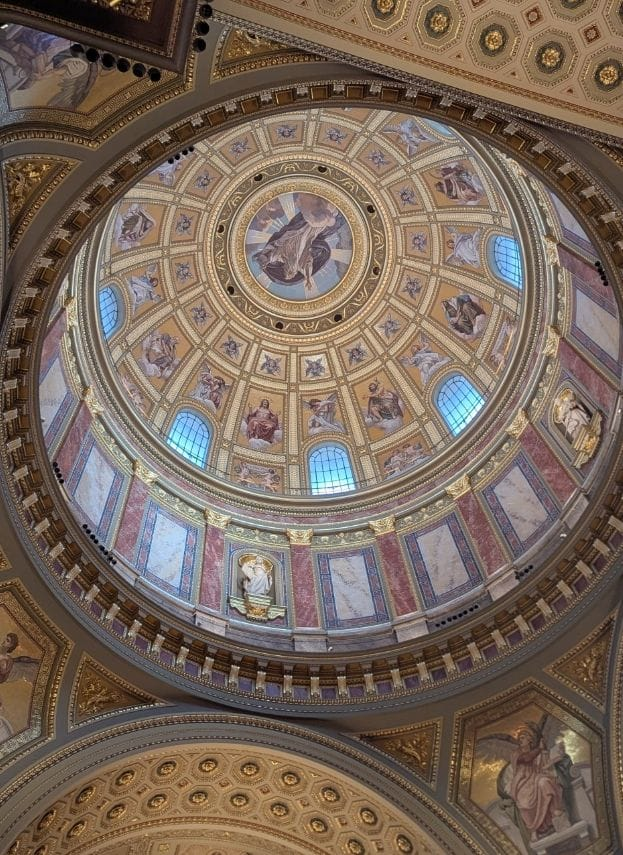
One of Budapest’s most visited attractions is St. Stephen’s Basilica, constructed between 1851 and 1905. Beyond preserving important aspects of Hungarian history, the basilica houses the mummified right hand of King Stephen I. Visitors are also impressed by the building’s exceptional architectural design.
After visiting St. Stephen’s Basilica, you can walk along Andrássy Avenue, a grand boulevard lined with impressive buildings. The avenue leads towards an area frequently used for national celebrations.
Beneath the avenue runs the railway line known as the Millennium Underground. Opened in 1896, it was the first underground railway on the European mainland. Today, Andrássy Avenue and the associated historic underground railway form part of a UNESCO World Heritage Site.
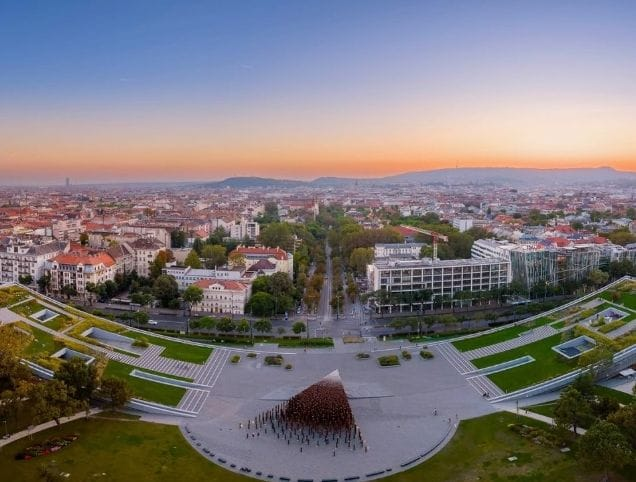
The avenue leads to Heroes’ Square, a venue for major national celebrations. At the centre of the square stands a tall column topped with a statue of the Archangel Gabriel. The column is surrounded by statues of prominent figures who played important roles in Hungarian history.
Budapest and the Jewish Community
Budapest is also famous for its thermal baths, particularly Széchenyi Thermal Bath, which opened in 1913. However, exploring the city also means confronting some of the darkest chapters of European history, particularly the persecution of Jewish communities during the Second World War. One attraction that draws many tourists is the Dohány Street Synagogue, officially opened in 1859. It is one of the largest synagogues in Europe.
During the Holocaust, particularly between 1944 and 1945, the surrounding area became part of the history of the persecution and imprisonment of Jews in Budapest.
Many Jewish people were also shot near the Danube during the Holocaust. Today, a memorial consisting of 60 pairs of shoes stands along the river in their honour. It commemorates the victims who were ordered to remove their shoes before being shot and falling into the Danube. The memorial serves as a solemn reminder of the human cost of persecution and the importance of remembering those who lost their lives.

Markets and Hungarian Culture
After exploring the royal palaces, religious buildings, memorials and other historical landmarks, you can visit the Great Market Hall, which opened in 1897.
At the market, visitors can discover a variety of traditional Hungarian products and experience aspects of the country’s local culture. It offers an opportunity to explore the flavours, goods and everyday traditions that form part of life in Budapest.
Budapest as a Centre of Education
Beyond tourism and history, Budapest is also an important educational centre in Europe. The city is home to several universities, including Eötvös Loránd University, Semmelweis University, Corvinus University of Budapest and Budapest University of Technology and Economics.
These institutions attract students from Hungary and other countries, contributing to Budapest’s international character and its reputation as a centre for higher education. From the Danube’s historic bridges and the grandeur of its Parliament Building to its religious landmarks, cultural markets and universities, Budapest offers visitors a remarkable blend of history, architecture and modern urban life. hether you are drawn by its heritage, its scenery or the stories behind its landmarks, Hungary’s capital offers plenty to discover.