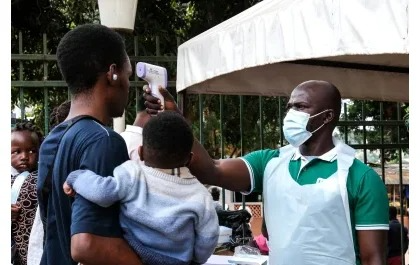















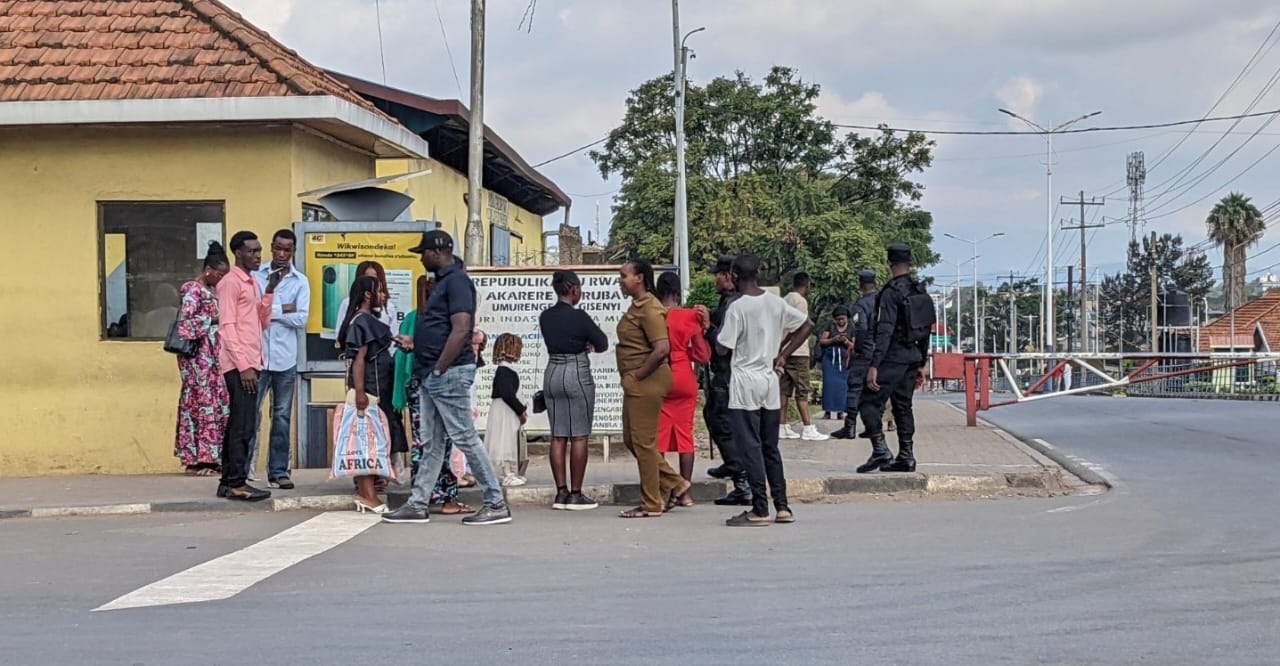
The Government of Rwanda has temporarily closed border crossings in Rubavu District following a deadly Ebola outbreak that continues to spread across Democratic Republic of the Congo and Uganda.

The decision took effect on the morning of May 17, 2026, as authorities moved to strengthen preventive measures aimed at protecting public health from the rapidly evolving outbreak in neighboring countries.
Rwanda Tightens Preventive Measures
Rubavu District Mayor, Mulindwa Prosper, confirmed the temporary closure of the border, explaining that the move was intended to safeguard residents while health authorities continue monitoring the situation. He stated that no official timeline has yet been announced for reopening the border crossings.
WHO Raises Global Alarm Over Ebola Resurgence
The World Health Organization warned that Ebola infections and deaths are continuing to rise in both DR Congo and Uganda.
In a statement issued on Sunday, WHO Director-General Tedros Adhanom Ghebreyesus revealed that more than 300 Ebola cases have already been recorded in the two countries, while the death toll has risen to 88.
“There is still uncertainty about the exact number of infections and how far the outbreak has spread. There is also the challenge of tracing those who came into contact with infected or suspected individuals,” Tedros said.
ALSO READ: https://agaciropress.com/felicien-kabuga-dies-in-dutch-hospital-while-awaiting-transfer/
Outbreak Originated in Eastern DR Congo
The latest outbreak was first confirmed in Ituri Province in eastern DR Congo, near the borders with Uganda and South Sudan.
On Saturday, the Africa Centres for Disease Control and Prevention reported 336 confirmed Ebola cases and 87 deaths linked to the outbreak. Uganda later confirmed its first Ebola case the same day after a patient died at a hospital in Kampala, increasing the total number of deaths to 88.
Authorities have since confirmed a second Ebola case in Uganda. Health officials disclosed that all infected individuals in Uganda had recently traveled from DR Congo, raising fears of cross-border transmission within the Great Lakes region.
Bundibugyo Ebola Strain Behind the Outbreak
Health experts say the outbreak involves the Bundibugyo strain of the Ebola virus, which was first identified in Uganda between 2007 and 2008. During that outbreak, 149 people were infected and 37 lost their lives. The same strain resurfaced in 2012 in Isiro, DR Congo, where 57 infections and 29 deaths were recorded.
Although WHO has classified the outbreak as a matter of international concern requiring urgent support and coordination, Tedros urged countries to avoid widespread border shutdowns and instead focus on coordinated health measures to contain the virus.