

















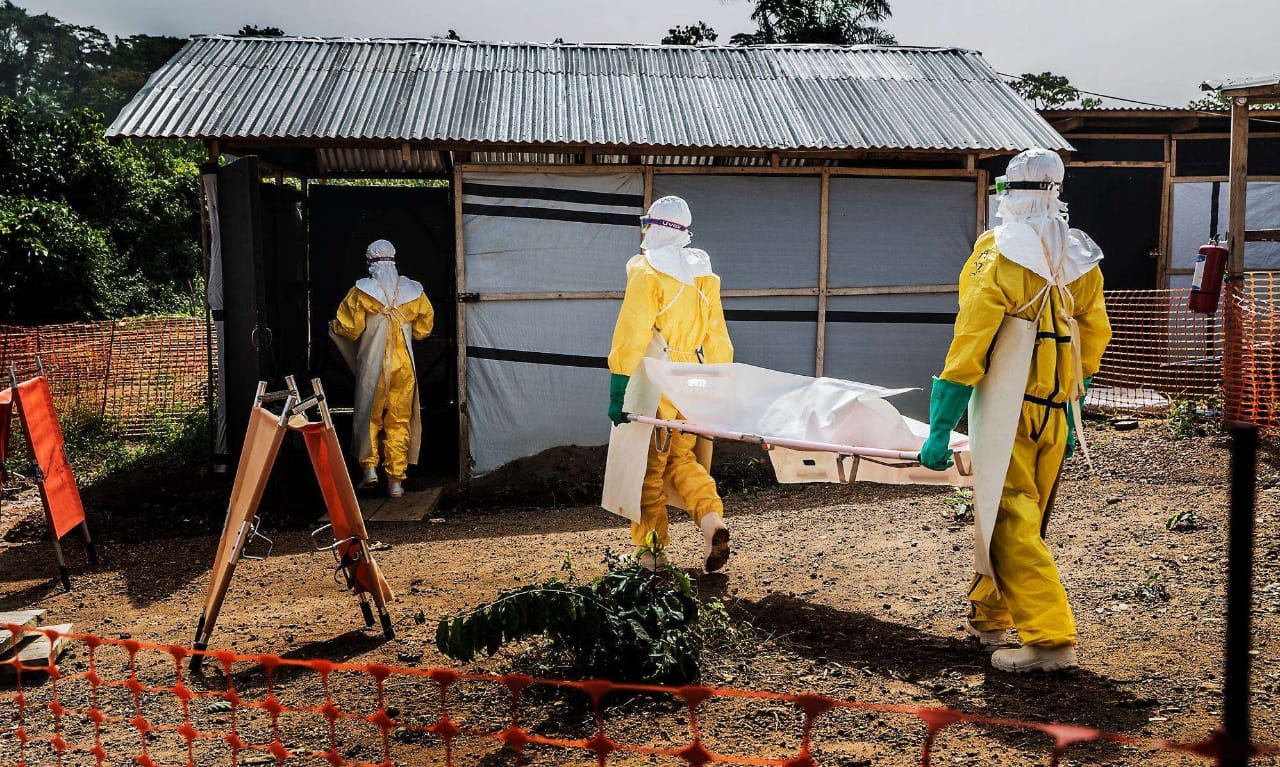
Africa’s top health agency has officially declared an Ebola outbreak in the eastern Ituri province of the Democratic Republic of Congo. So far, the Africa Centres for Disease Control and Prevention (Africa CDC) has reported approximately 246 cases and 65 deaths. These cases are primarily concentrated in the gold-mining towns of Mongwalu and Rwampara.

The agency issued a statement on Friday confirming that it is convening a meeting with the DRC, neighboring Uganda, and South Sudan. International partners will also participate to discuss response priorities and cross-border surveillance to manage the Ebola outbreak in the Democratic Republic of Congo.
Ebola was first discovered in 1976 in the region that is now the DRC, and scientists believe it originally spread from bats to humans. This current situation marks the 17th time the country has faced an outbreak of this deadly viral disease. The virus spreads through direct contact with bodily fluids or through broken skin, which often leads to severe bleeding and organ failure.
Early symptoms include fever, muscle pain, fatigue, headache, and a sore throat. These signs are typically followed by vomiting, diarrhea, a rash, and internal bleeding. Currently, no proven cure for the disease exists, and the World Health Organisation (WHO) notes that the average fatality rate is around 50 percent.
READ ALSO: Madonna, Shakira and BTS to Headline Historic 2026 FIFA World Cup Final Halftime Show
Testing and strain identification for the Ebola outbreak in the Democratic Republic of Congo
Preliminary tests conducted at the Institut National de Recherche Biomédicale (INRB) in Kinshasa detected the virus in 13 out of 20 analyzed samples. These results followed consultations with the DRC Ministry of Health and the National Public Institute. Experts are now carrying out additional tests to identify the specific strain of the virus involved in this Ebola outbreak in the Democratic Republic of Congo.
In the 65 recorded deaths, officials confirmed that four were among lab-confirmed cases. Meanwhile, health workers have reported additional suspected cases in Bunia, the provincial capital of Ituri, where laboratory confirmation is still pending.
READ ALSO: Iran Accuses UAE of Direct Involvement in Israel Linked Attacks Amid Rising Middle East Tensions
Risk factors and the Ebola outbreak in the Democratic Republic of Congo
The Africa CDC expressed serious concern about the high risk of further spread due to the urban settings of Rwampara and Bunia. Mining activities in Mongwalu also increase the likelihood of transmission. Dr. Jean Kaseya, the executive director of the health agency, highlighted that significant population movement between the affected areas and neighboring countries makes regional coordination essential.
Consequently, authorities have advised all affected communities and at-risk areas to strictly follow the guidelines provided by national health authorities. By maintaining these protocols, officials hope to prevent the virus from reaching other major population centers.
READ ALSO: Tshisekedi attempts to target Rwanda during the Africa-France Summit 2026
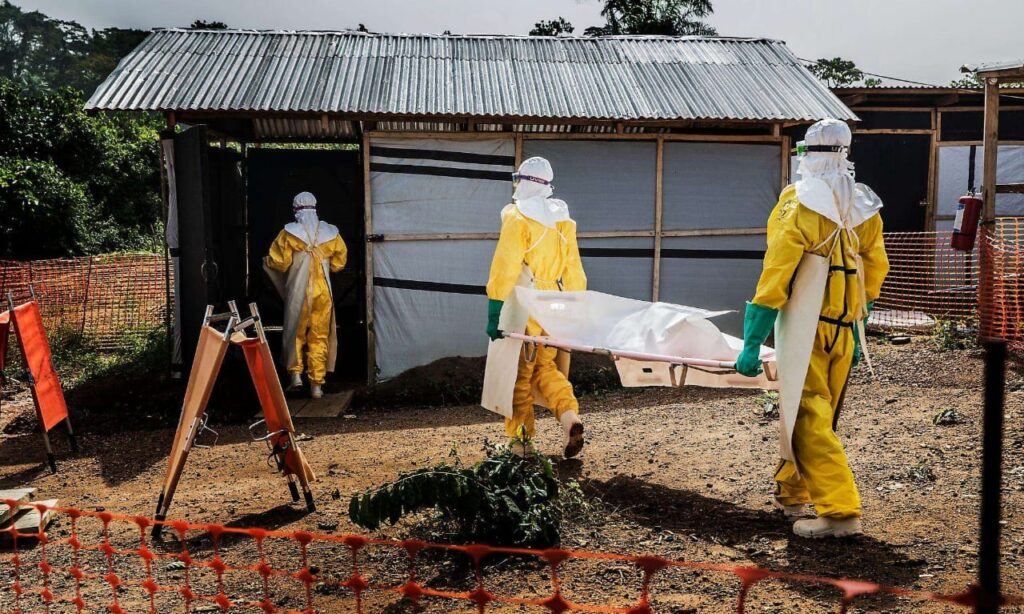
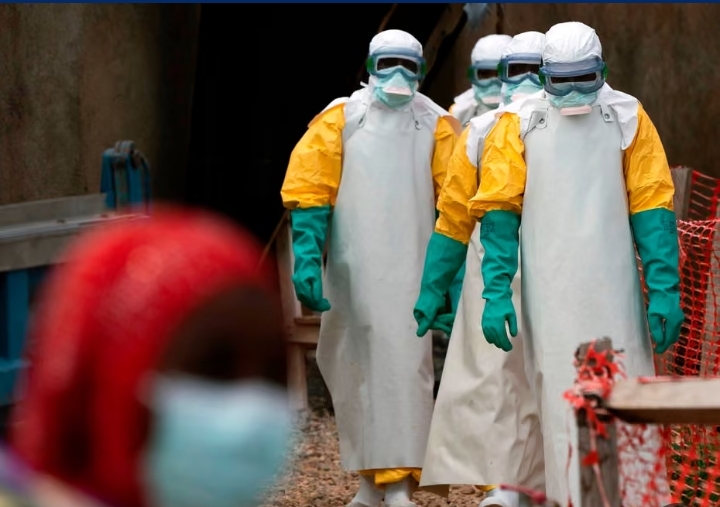
The Africa Centres for Disease Control and Prevention (Africa CDC) has reported approximately 246 cases and 65 deaths linked to the Ebola outbreak in the Democratic Republic of Congo, with the majority of cases concentrated in the mining towns of Mongwalu and Rwampara.