





















The Director General of the Rwanda Atomic Energy Board, Dr. Fidele Ndahayo, announced that preparations for the construction of a nuclear power plant in Rwanda could begin within the next two years.

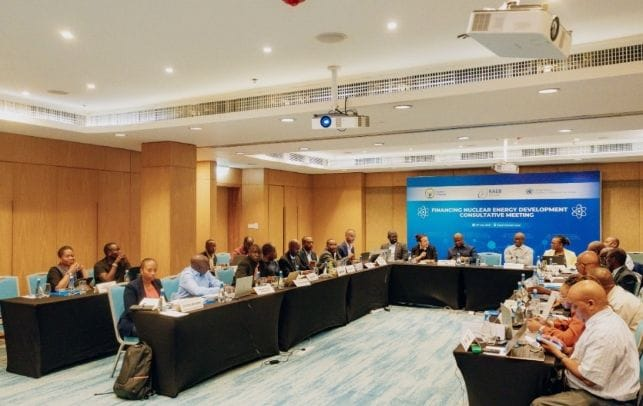
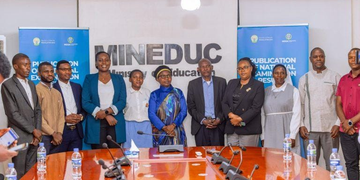
He made these remarks on May 16, 2026, during a two-day consultative forum organized by the agency in collaboration with the United Nations Economic Commission for Africa.
ALSO READ: America fears some Americans may have contracted Ebola
Forum Explores Strategies for Nuclear Energy and Industrial Development
The forum, which commenced on May 15, aimed to explore strategies for promoting domestic industrial development and advancing Rwanda’s nuclear energy project for electricity generation. Dr. Ndahayo explained that the meeting was organized because developing a nuclear power plant requires extensive preparations and multiple resources.
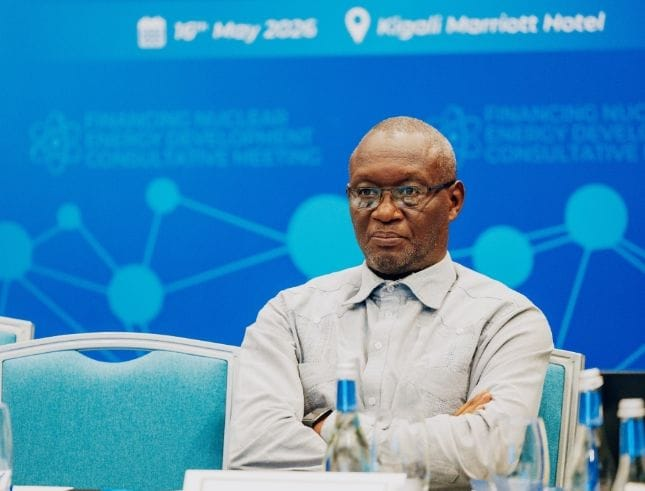
He stated: “The objective is to ensure that all possible local resources and capacities contribute to implementing the nuclear energy project. When effectively utilized at a high level, such initiatives can significantly contribute to national economic growth.” On May 16, experts and representatives from various African countries convened to discuss how large-scale nuclear energy projects could be developed across the continent and how adequate financing mechanisms could be secured.
Financing Challenges for African Nuclear Projects
Dr. Ndahayo noted that many African countries face financial limitations, making such projects difficult to implement. He said: “This discussion was necessary because many African countries have limited financial resources. Nuclear energy projects require substantial investment, sometimes exceeding a country’s national budget or gross domestic product, making financing a significant challenge.” He further explained that UNECA conducted studies to identify sustainable financing approaches that could help developing countries mobilize the resources needed for such projects.
Rwanda’s Progress and Preparations Toward 2028 Construction
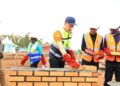
According to Dr. Ndahayo, experts from the International Atomic Energy Agency assessed Rwanda’s progress and found that the country has built considerable institutional and technical capacity for nuclear energy development. He emphasized that the findings indicate Rwanda is on the right path and that construction activities could potentially begin in 2028. He said: “Our target is to begin construction of a nuclear power generation plant by 2028.” However, he acknowledged that substantial work still remains over the next two years, including selecting the technology, securing financing, and identifying contractors.
He stated: “Many requirements still need to be met within this two-year period. We must determine the technology to be adopted, secure funding sources, identify builders, and ensure all preparations are aligned so that the foundation stone can be laid by 2028.” Dr. Ndahayo also noted that Rwanda’s hosting of an international conference on the promotion of nuclear technologies for civilian purposes, scheduled to take place from May 18–21, 2026, represents an important step toward attracting development partners for the project.
Identification of Potential Sites and Long-Term Energy Goals
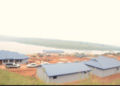
He further revealed that six potential sites across Rwanda have already been identified as possible locations for the nuclear power plant, while detailed feasibility assessments are ongoing to determine the most suitable site. He explained: “We have identified six locations that meet preliminary requirements, including access to water resources, absence of high mountainous terrain, low seismic activity, and minimal human settlement.”
ALSO READ: TVET Enrollment Surpasses 85,000 as Rwanda Expands Technical and Vocational Education
He emphasized that identifying potential sites is only the initial stage and that comprehensive geological and environmental studies are still required. He said: “Identifying locations alone is not sufficient. Detailed studies must follow. Even when constructing a seven-story building, developers first assess the site conditions. Imagine the level of scrutiny required for a nuclear plant.” “Experts may need to conduct investigations up to 100 meters underground to confirm a site’s suitability. We cannot disclose the locations at this stage because assessments are still ongoing.” Rwanda aims to have a nuclear power plant generating electricity operational by 2030 as part of its long-term energy development strategy.