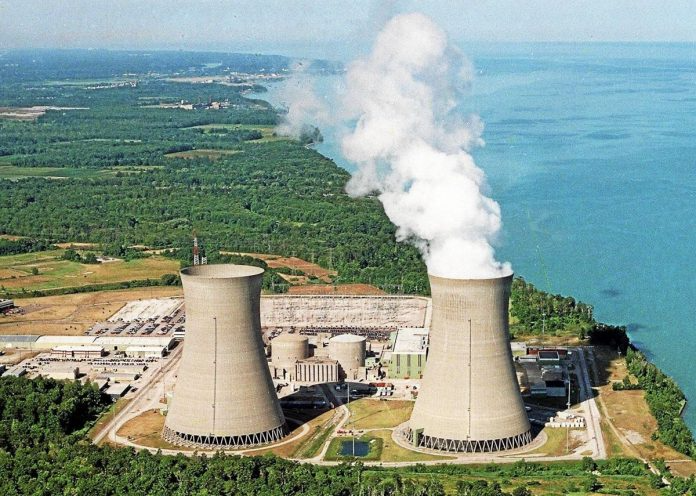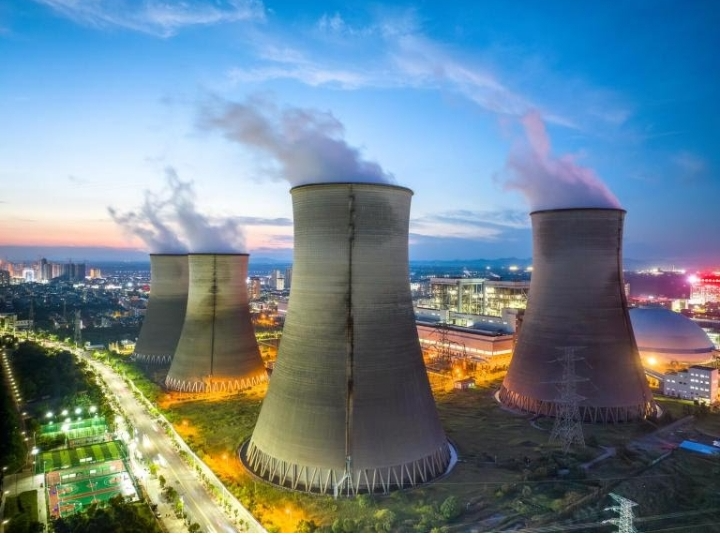


























Rwanda has moved a step closer to developing its first nuclear power plant after Russian state nuclear company Rosatom announced that it had reached an agreement to build a nuclear facility in the country.

The development marks a major milestone in Rwanda’s long term strategy to diversify its energy sources, strengthen scientific capacity, and support industrial growth.
Rosatom Confirms Agreement in Moscow
Rosatom Chief Executive Officer Alexey Likhachev confirmed the development during the Congress of the Russian Union of Machine Builders held in Moscow.
He named Rwanda among four countries where Russia has agreed to develop new nuclear power plant projects. The other countries mentioned were Kazakhstan, Vietnam, and Myanmar. The announcement places Rwanda within Russia’s growing global strategy of exporting nuclear technology to emerging markets.
Rwanda’s Growing Partnership with Rosatom
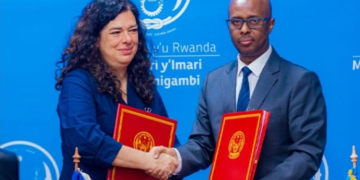
Rwanda has spent years laying the groundwork for peaceful nuclear cooperation, particularly through partnerships with Rosatom. The two sides previously signed agreements to establish a Centre for Nuclear Science and Technology in Rwanda as part of efforts to build scientific and technical capacity.
The partnership reflects Kigali’s broader vision of expanding reliable energy sources to support manufacturing, digital infrastructure, healthcare systems, research, and urban development.
ALSO READ: https://agaciropress.com/ebola-outbreak-kills-65-eastern-drc/
Nuclear Energy Seen as Key to Economic Transformation
Rwanda’s leadership views nuclear energy as a potential long-term solution for stable and scalable electricity supply. As a landlocked country with limited domestic fossil fuel resources, Rwanda currently relies on a mix of hydropower, thermal generation, methane gas, and electricity imports.
A future nuclear power plant could help reduce pressure on the existing energy system while supporting the country’s ambition to become a high-income, knowledge-based economy.
Russia Expands Nuclear Cooperation Across Africa
Rosatom has become one of the world’s leading exporters of nuclear technology. According to the company’s leadership, Russian firms currently hold around 40 international contracts for nuclear power units while continuing to expand domestic nuclear capacity.
Africa has become an important part of that strategy. Russia is already constructing the El Dabaa Nuclear Power Plant in Egypt, while several African nations continue exploring nuclear cooperation and small modular reactor technologies.
Rwanda has also partnered separately with Dual Fluid Energy on a small scale nuclear reactor testing project.
ALSO READ: https://agaciropress.com/africa-france-summit-2026-tshisekedi-rwanda/
Energy Security and Climate Goals Driving Interest
The latest development comes as many African countries rethink their long term energy security strategies. Rapid population growth, industrialization plans, and climate commitments are pushing governments to explore electricity sources capable of delivering stable power without relying entirely on fossil fuels.
Although nuclear energy remains controversial due to concerns over cost, safety, waste management, and financing, many countries increasingly see it as part of future energy planning.
Challenges Still Remain Before Construction
Despite the announcement, several major steps remain before a commercial nuclear power plant can become operational in Rwanda. Nuclear projects typically require years of technical studies, regulatory preparation, financing arrangements, environmental assessments, site selection, public engagement, and international safety oversight.
Rwanda would also need to continue expanding its pool of nuclear engineers, regulators, and emergency response specialists.
A Strategic Shift in Rwanda’s Development Vision
While many details of the project remain unresolved including financing, location, plant capacity, and construction timelines the announcement signals a significant shift in Rwanda’s long-term development planning.
Kigali is no longer treating nuclear energy as a distant scientific ambition but as part of its future infrastructure and economic transformation strategy, backed by one of the world’s largest nuclear construction companies.