


















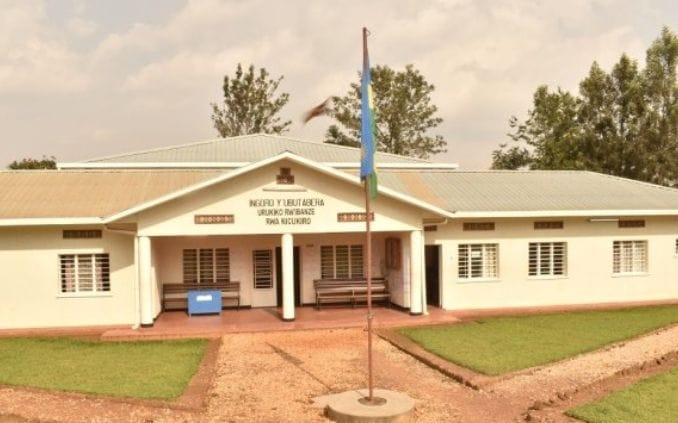
About 50.3% of Rwandans, particularly those living in rural areas, do not seek justice because they believe accessing justice services is too expensive and could impose a significant financial burden on them.

The finding comes from a study conducted by iPeace, an organisation that provides legal aid and promotes human rights. The study examined how Rwandans, especially those in rural communities, access justice services and the challenges they face.
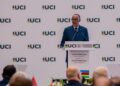
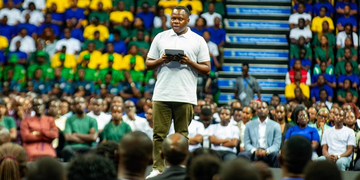
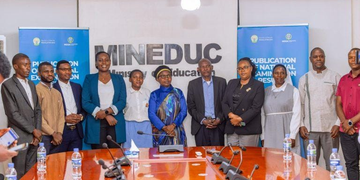
The findings were presented on August 28, 2026, during a conference focused on exploring ways to make justice services more accessible to all citizens, particularly people living in rural areas.
Study Examined 453 People Across Rwanda
The conference was organised by the Institute of Legal Practice and Development (ILPD) in partnership with iPeace. It brought together justice sector institutions, non-governmental organisations and development partners to discuss ways of bringing justice services closer to ordinary citizens, particularly those who lack the financial means to access them conveniently.
The study involved 453 respondents from 79 locations across the country. About 93.2% of the respondents came from Rwanda’s Western and Southern provinces.
More than 60% of those surveyed were women, while 77.5% had either never attended school or had not completed primary education.
The study also found that 81.9% of the respondents had been involved in a court case during the previous two years.
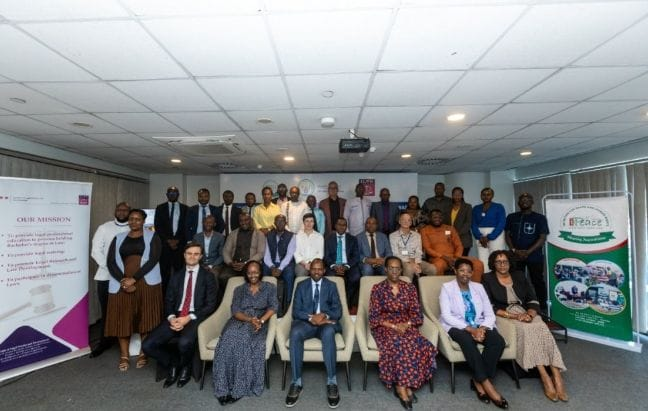
iPeace Seeks to Understand Rural Justice Challenges
Prof. Elvis Mbembe, Director General of iPeace, said the study was conducted to gain a better understanding of how people in rural areas access justice services.
He noted that although Rwanda continues to invest in efforts to ensure access to justice for all, the study’s findings can help identify areas where more efforts are needed to bring justice services closer to every Rwandan.
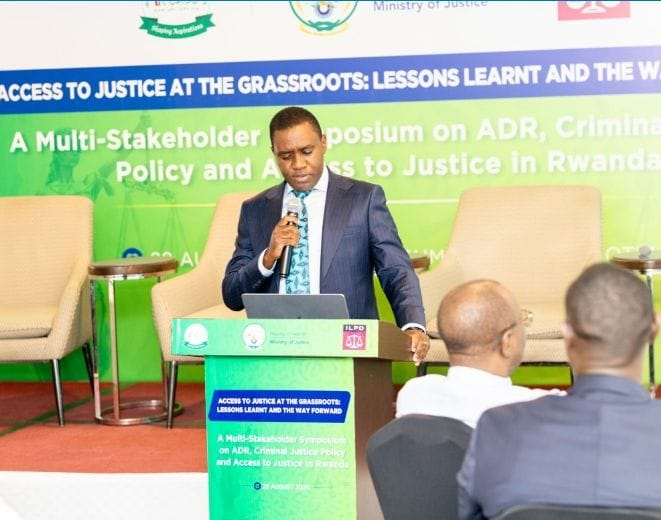
ILPD Calls for Solutions to Justice Barriers
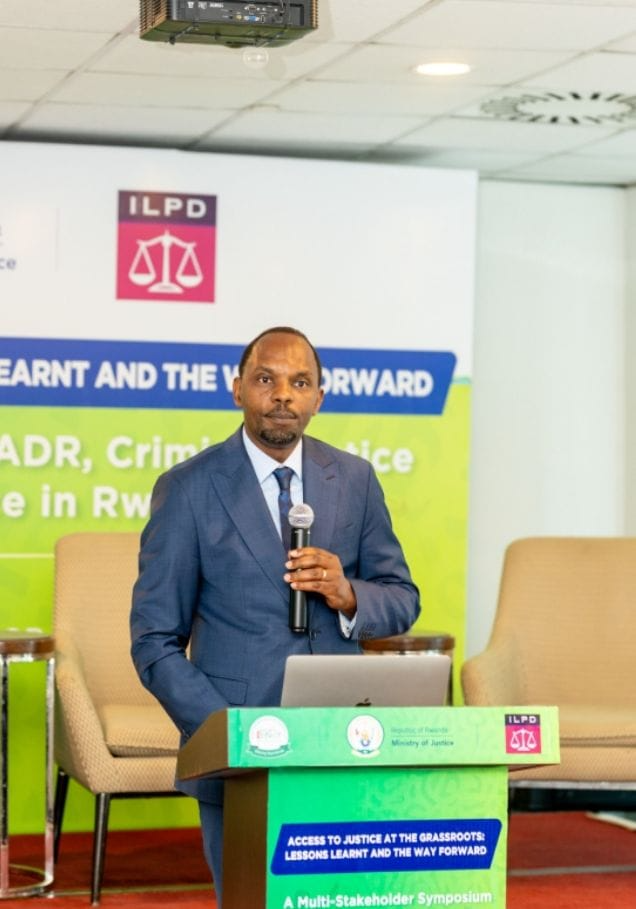
The Director General of ILPD, Dr. Aimé Muyoboke Karimunda, said the conference provided an important opportunity for justice sector institutions and other stakeholders to address the challenges identified by the study. “This is a good opportunity for people working in the justice sector to discuss what can be done to address the challenges identified in this study, which prevent everyone from accessing justice as they should.”
Dr. Karimunda also encouraged citizens to make greater use of mediation, describing it as a better alternative for resolving disputes than taking every case to court.
ALSO READ: https://agaciropress.com/four-rwandans-complete-military-studies-in-turkey/
Mediation Training Expands
He said that since ILPD began providing mediation training to professionals working in different justice sector institutions, it has trained 1,335 people in partnership with various stakeholders, including iPeace.
The discussions highlighted the importance of reducing financial and other barriers so that people, particularly those in rural communities, can access justice services without being discouraged by the cost of pursuing their cases.