





























Being suspected of a crime is not the same as being found guilty. Even when a person is summoned by investigators, arrested, or held in provisional detention, the law continues to protect them. They have the right to know what they are suspected of, to be assisted by a lawyer, not to be compelled to incriminate themselves, and not to be detained unlawfully.

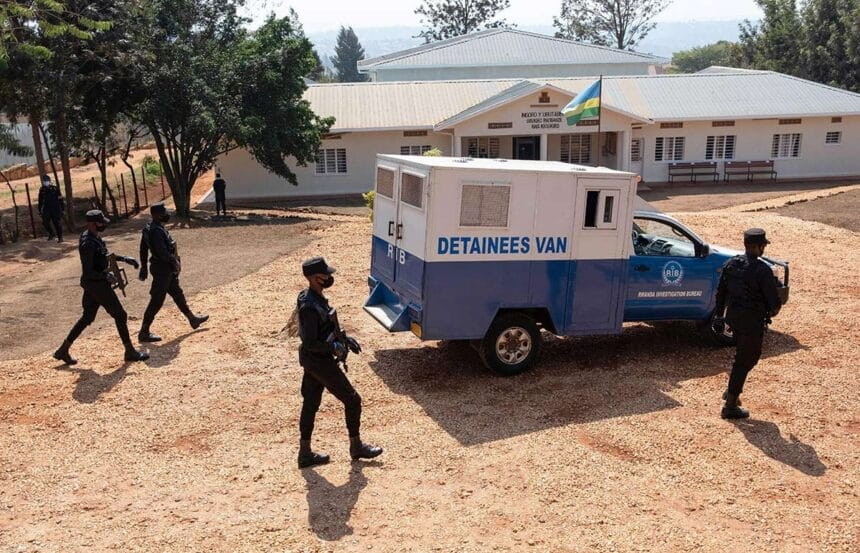
When a person is summoned by the Rwanda Investigation Bureau (RIB), or it becomes known that they have been arrested, many people immediately assume that they have already been found guilty. Sometimes even family members become worried, wondering whether the suspect will have access to legal representation, whether they are allowed to contact relatives, or whether they can be released while investigations are still ongoing.
However, Rwandan law clearly sets out the rights a person enjoys from the moment they become a suspect until a court reaches a decision on the charges against them. Below are some of the questions people frequently ask and the answers to them.
The difference between a suspect and a criminal
The Constitution of the Republic of Rwanda provides that every person is presumed innocent until proven guilty by a competent court. This means that a person may be suspected of a crime, investigated, detained, or prosecuted, but none of these circumstances alone prove guilt. For this reason, people should avoid judging someone solely on the basis that they have been arrested.
A suspect has the right to be informed of the allegations against them and the reasons why they are being investigated. Before responding to accusations, it is important for the suspect to clearly understand what they are being questioned about. Being informed of the charges helps the person provide explanations, present exonerating evidence, and seek legal assistance.

The exact time a person may request legal counsel
Some people think that a lawyer is only needed once a case reaches court. The law provides the right to legal assistance even during investigations. A suspect may request a lawyer to help them understand their rights, comprehend the questions being asked, and prepare their defence. They also have the right to communicate privately with their lawyer in accordance with the law. Requesting a lawyer does not mean that the suspect is refusing to cooperate with investigators or has something to hide.
Being suspected of a crime is not the same as being convicted. Even if a person is summoned by investigators, arrested, or placed in provisional detention, the law continues to protect them. They have the right to know what they are accused of, to be represented by a lawyer, not to be forced to confess, and not to be detained contrary to the law.
When a person is summoned by the Rwanda Investigation Bureau (RIB), or news emerges that they have been arrested, some people immediately assume they are guilty. Family members may also become concerned, wondering whether the suspect will obtain legal representation, whether they are allowed to contact relatives, or whether they may be released before investigations are completed.
However, Rwandan law clearly defines the rights a person enjoys from the moment they become a suspect until a court delivers its decision on the accusations against them. These are some of the questions people frequently ask and their answers.