















In 2021, Rwanda’s intelligence services foiled a plot by the terrorist group ADF to carry out attacks in Kigali, the capital of Rwanda. The plan was intended as retaliation for Rwanda’s military operations against Ansar al-Sunnah in Cabo Delgado Province, Mozambique.

The ADF, considered an affiliate of Da’esh, began preparing the plot soon after Rwandan troops arrived in Cabo Delgado in July 2021. Its leaders vowed to strike infrastructure and senior officials in Kigali and organized operatives to execute the plan.
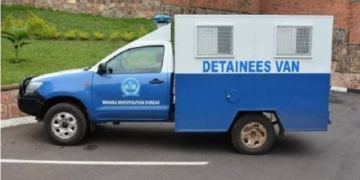
Rwanda’s security and intelligence agencies uncovered the plot early and launched operations against suspected collaborators. Between August and September 2021, thirteen people were arrested.
Those detained explained that they had been instructed to bomb Kigali City Tower, a fuel station in Nyabugogo, and to attack senior officials in the Rwanda National Police. The plan was coordinated by Omar Farouk, alias Adamu Nyange.
Operation Shujaa and ADF’s Adaptation
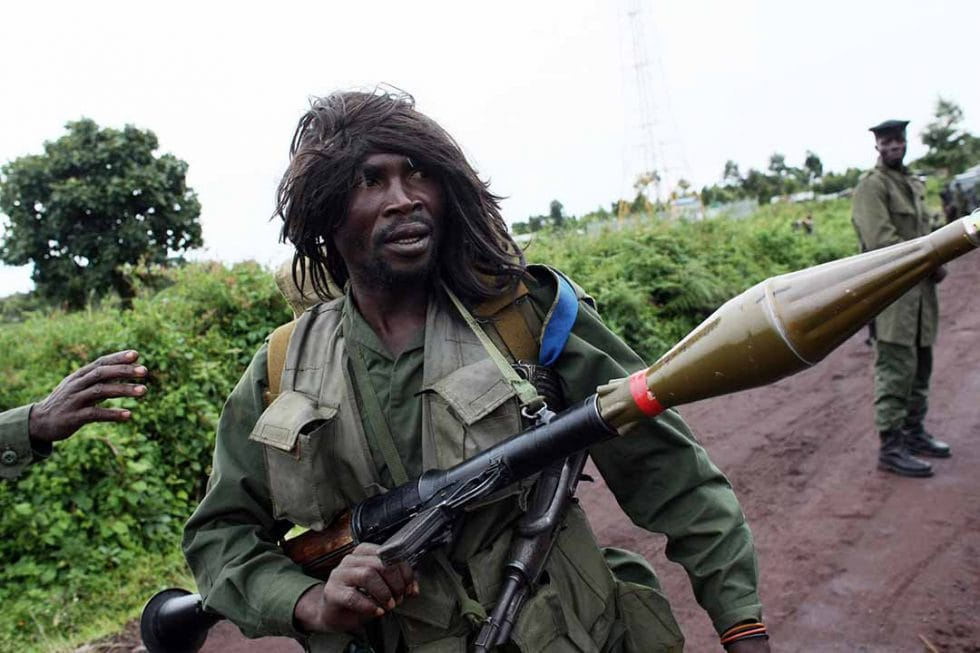
From November 2021, Ugandan forces entered the DRC to dismantle ADF through operations known as “Operation Shujaa,” after the group had carried out deadly attacks in Kampala, including one near the Parliament building and another at a police station.
A new United Nations expert report released in late June 2026 shows that despite nearly five years of joint Ugandan-Congolese offensives, ADF has adapted its tactics to survive with limited resources.
Because of anger over the offensives by Ugandan and Congolese forces, ADF fighters killed more than 1,000 civilians last year, using firearms, traditional weapons, and extreme brutality such as burning people inside houses.
ADF Bases and Operational Structure
ADF remains entrenched in Beni and Lubero in North Kivu Province and in Irumu and Mambasa in Ituri Province.
The UN report shows that the group deploys its fighters in a well-organized manner without permanent bases, relying heavily on major roads such as RN4 and RN44. These roads are used to transport supplies, new recruits, weapons, and ammunition, and to monitor the movements of opposing forces and civilians.
The group has two major bases where operations are planned: its headquarters in Medina, Ituri, led by Musa Baluku, and another in western Lubero led by his deputy, Seka Umaru.
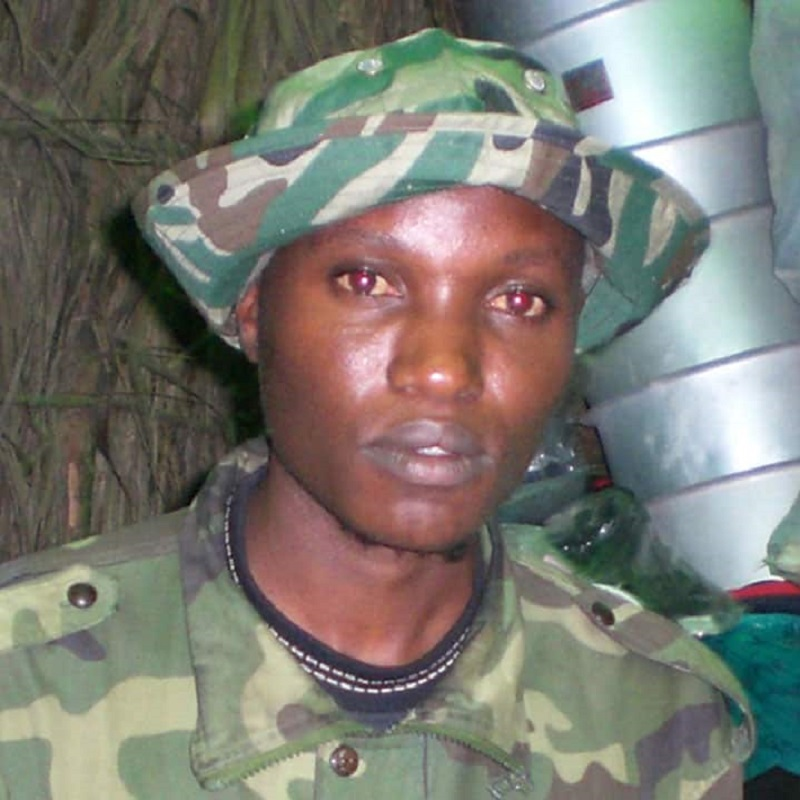
Branches led by Mzee Meya Sebagala in Ituri and Ahmad Mahmood Hassan, known as Abwakasi, in Lubero are accused of responsibility for many attacks that killed civilians in these areas.
ADF’s survival depends on its tactics. When Ugandan forces intensify operations, it reduces civilian killings and focuses on regrouping and raising money through activities such as trading in minerals. This occurred between March and June 2025.
After Ugandan forces attacked Medina bases in March 2025, Abwakasi’s branch retaliated in November 2025, killing 71 civilians at a funeral in Nturo. Meya’s fighters also killed 41 worshippers in Komanda in July of that year.
When Operation Shujaa forces stepped up attacks in March 2025, Abwakasi’s fighters moved more than 100 kilometers west of Mambasa, an area patrolled by Ugandan forces, and massacred civilians in Muchacha.
Technology and Financing
Due to weak governance in the DRC, ADF is advancing toward the borders of Ituri, Tshopo, and Haut-Uélé provinces, killing innocent civilians wherever it goes.
Joining Da’esh gave ADF access to modern technology. It once released a video renouncing its original Ugandan identity and declaring itself “ISCAP.” The group uses Starlink internet towers to produce high-quality videos, promoting what it calls a “holy war against Congolese Christians.” It now operates channels on YouTube, TikTok, and Facebook.
Financial support from Da’esh has declined, so ADF intensified extortion of Congolese civilians. It imposed taxes, requiring cacao farmers to pay for permits called “Amani na Upendo” to harvest and another called “Dubius” to travel. Those who refused were killed.
The group also escalated kidnappings in the area between Komanda and Luna. Each abducted person’s family was asked to pay between $2,000 and $5,000 for release; otherwise, victims were forced into hard labor or killed.
ADF Remains a Regional Threat
These activities show that ADF remains a serious threat not only to the DRC but to the wider East African region, since its fighters come from several countries including Congo, Uganda, Kenya, and Tanzania.
ADF has been fighting against the governments of Uganda and the DRC for many years.importance of continued intelligence cooperation and counterterrorism efforts across East Africa.