



















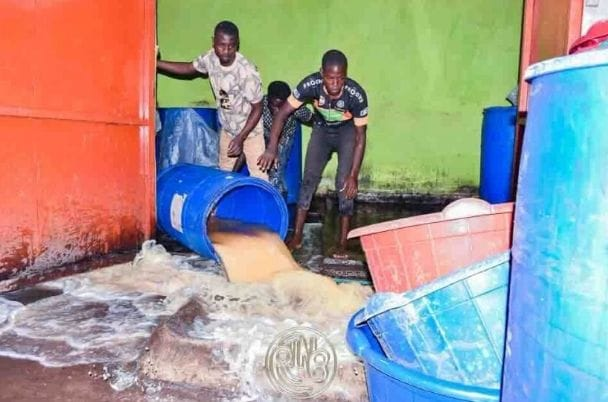
Burundi has begun destroying alcoholic beverages considered substandard and shutting down factories producing drinks illegally, as part of efforts to protect public health amid concerns over alcohol-related deaths.

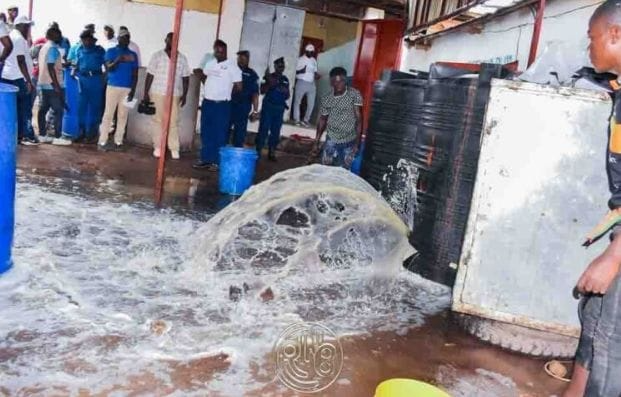
The operations began on August 25, 2026, and were led by the Minister of Interior, Community Development and Public Security, Léonidas Ndaruzaniye, together with the Minister of Trade and Industry, Hassan Kibeya.
The exercise was launched in the communes of Nyanza and Makamba in Burunga Province, where authorities closed a factory known as Nganji Company and destroyed a locally produced alcoholic beverage called Gangi.
ALSO READ: https://agaciropress.com/rwanda-receives-more-than-400-returnees-from-the-drc/
Burundi Moves Against Illegal Alcohol Production
The government has also identified several alcoholic drinks that it intends to ban. They include Umururasase, Buzima Bwiza, Burunga Wine and Dodjho.
Authorities say the campaign is aimed at stopping the production and sale of alcoholic beverages that could pose risks to consumers.
Minister Hassan Kibeya said the measures are intended to protect public health and ensure that Burundi has a healthy population capable of working and contributing to the country’s development. he said: “We need to build the country we love; we should not continue operating in this kind of disorder.”

Concerns Over Alcohol-Related Deaths
The crackdown comes amid growing concerns about the impact of alcoholic drinks on communities across Burundi.
Daniel Gélase Ndabirabe, President of Burundi’s National Assembly, recently warned that alcohol consumption was contributing to deaths, saying that some people were increasingly collapsing in the streets.
He criticized senior government officials for not seeing the situation because they spend much of their time in offices in the capital, Bujumbura. he said: “Some senior government officials do not see this because they are far away.”
Government Seeks to Protect Public Health
The destruction of the drinks and closure of illegal production facilities demonstrate Burundi’s efforts to tighten control over the alcoholic beverage industry.
The government says the campaign is not only about regulating businesses but also about protecting citizens from potentially dangerous products and creating a healthier population that can contribute to the country’s economic development.
The operations are expected to continue as authorities identify and take action against other producers and distributors of alcoholic beverages considered illegal or harmful.