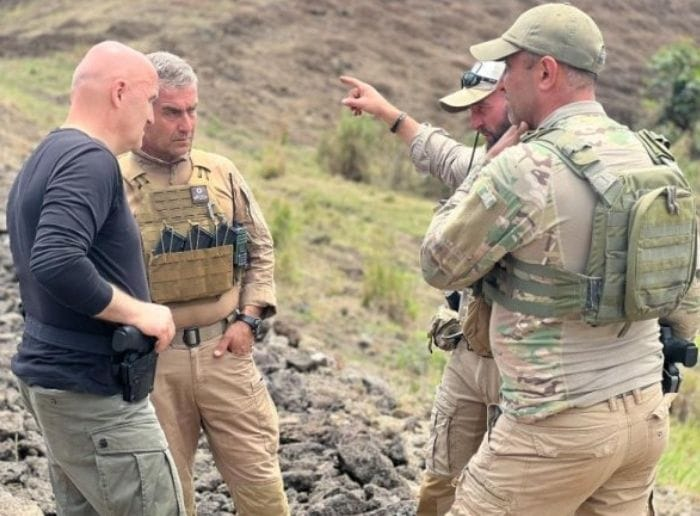















A new report by the United Nations Group of Experts on the Democratic Republic of the Congo (DRC) has revealed fresh details about the activities and role of foreign mercenaries supporting government forces in eastern DRC.

According to the report, the mercenaries assist the Armed Forces of the Democratic Republic of the Congo (FARDC) in combat operations, maintain military equipment including fighter aircraft, and provide advanced military training to Congolese soldiers.
The training reportedly covers drone operations, radar systems, jungle warfare, intelligence gathering, military planning, secure communications, and enemy detection. While cooperation between the DRC military and foreign mercenaries has existed for some time, the UN experts say it has often been hampered by confusion over command structures and operational responsibilities.
ALSO READ: https://agaciropress.com/rwanda-to-receive-first-40000-tonne-petroleum-shipment-by-end-of-july/
Mercenaries Trained Wazalendo Fighters
The report states that foreign mercenary groups operate from major bases in Kisangani, Kinshasa, Walikale, Kalemie in Tanganyika Province, and Kindu in Maniema Province, where they continue to support military operations in North and South Kivu.
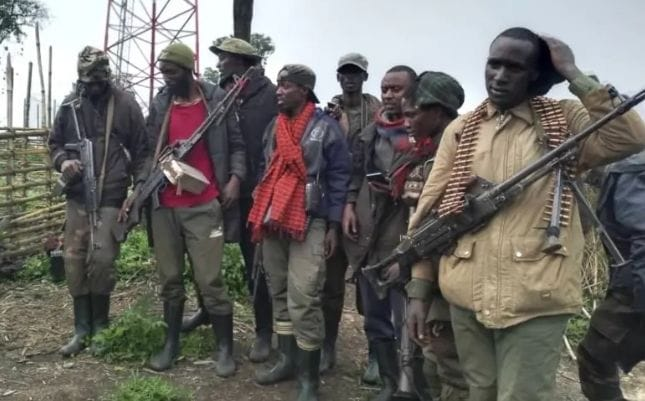
In Walikale and the town of Baraka, the mercenaries reportedly provided advanced military training to Wazalendo fighters, focusing on locating enemy positions and operating surveillance drones.
Witnesses interviewed by the UN experts said those selected for the training were mainly educated recruits. After completing the programme, most joined combat operations alongside FARDC, with some reportedly receiving sniper rifles to fight the AFC/M23 coalition.
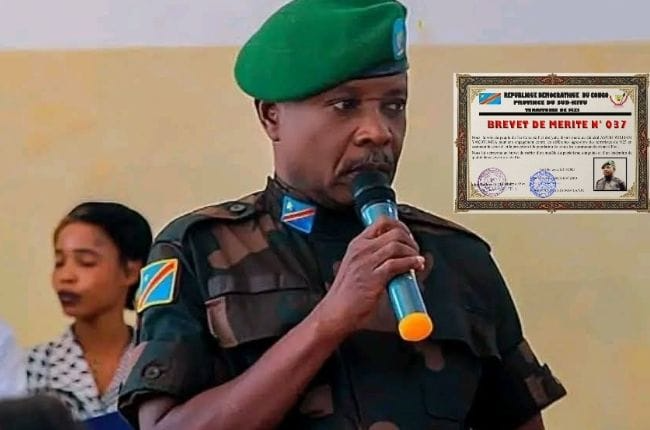
Among those trained, according to the report, were fighters under commanders sanctioned by the United Nations, including Guidon Shimiray, leader of the NDC-R armed group, and members of the CNPSC militia led by William Yakutumba.
ALSO READ: https://agaciropress.com/rwanda-reviews-proposal-for-agricultural-bank-amid-farm-financing-gaps/
Role in Military Operations in South Kivu
The report says that between January and March 2026, foreign mercenaries fought alongside FARDC during major military operations in South Kivu, including drone strikes and ground offensives in Minembwe and surrounding areas.
During the same period, Wazalendo fighters were reportedly ordered to withdraw from mountainous areas of South Kivu and were replaced by the FARDC special forces unit known as “Hiboux” together with foreign mercenary groups.
According to the UN experts, the mercenaries were assigned specialized tasks such as coordinating heavy weapons attacks, operating drones, and providing intelligence support. They were also deployed to the city of Uvira in January 2026.
The report further states that on February 1, 2026, several drone attacks involving foreign mercenaries targeted positions held by the MRDP-Twirwaneho armed group in Minembwe. Between February 2 and 8, mercenary groups reportedly assisted the Hiboux special forces in recapturing Point-Zéro, a strategic junction linking Uvira, Baraka, and Minembwe.
ALSO READ: https://agaciropress.com/rwanda-to-receive-first-40000-tonne-petroleum-shipment-by-end-of-july/
UN Report Details Agreement Linked to Erik Prince
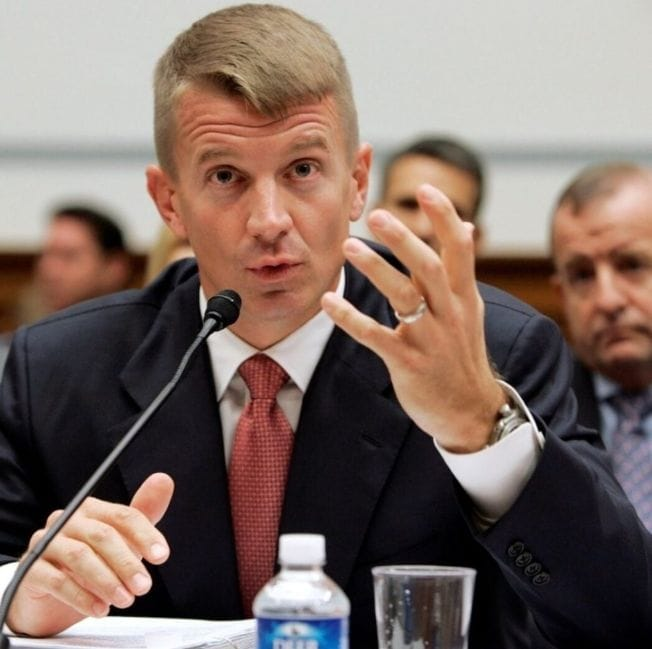
The UN report also refers to a confidential five-year agreement signed between the DRC government and American businessman Erik Prince in December 2024. Prince is widely known as the founder of the former private military company Blackwater.
According to the report, the agreement tasked Prince with providing military support to FARDC and helping secure mining sites through private security personnel.
In June 2025, Prince’s company, Quantum Global Consulting, based in the United Arab Emirates, reportedly established a branch in the DRC known as Quantum Global Consulting Africa.
The report further states that another company, Vectus Global, headed by Christophe Sirot, who holds French and American citizenship, was also registered in the country.
According to the UN experts, Vectus Global signed an agreement with the DRC Ministry of Finance aimed at increasing government revenue from mining, combating mineral smuggling, reducing corruption, and preventing tax evasion.
At the end of April 2026, the DRC Ministry of Finance announced the creation of a special unit to protect mining sites, replacing military and police personnel. The UN experts say this unit appears to be linked to Vectus Global.
Border Security and Military Support Near Rwanda
The report says the agreement also included confidential military responsibilities assigned to Vectus Global. These reportedly involved strengthening border security, particularly near Rwanda and Zambia, advising FARDC on the procurement and operation of military aircraft, and recruiting former foreign soldiers to support government forces.
According to the UN experts, the objective of these activities was to strengthen the DRC army’s military capabilities through advanced technology, specialized training, military advice, and modern weaponry.
One Vectus employee told the UN experts in late 2025 that, as the conflict intensified, the company’s role shifted from protecting mining sites to supporting military operations.
The report further states that in February 2026 another employee said the DRC government had requested the company’s assistance in planning an operation to retake Uvira from AFC/M23 fighters, with some Vectus personnel reportedly deployed to South Kivu in support of the mission.
However, during an interview with the UN experts in March 2026, Christophe Sirot denied that Vectus Global had participated in combat operations, maintaining that the company’s contract did not authorize battlefield involvement.
Despite this denial, the report says several witnesses, including Vectus employees, identified Sirot as the person coordinating those military activities.
ALSO READ: https://agaciropress.com/rwanda-spent-rwf-47-7-billion-on-transport-subsidies-in-four-months/
More Than 300 Salvadoran Mercenaries Recruited
The UN report also reveals that beginning in July 2025, former soldiers and police officers from El Salvador were deployed to support FARDC in its fight against the AFC/M23 coalition.
Initially, they were assigned to maintain military equipment in Kisangani, Tshopo Province, before later being deployed to Walikale, Baraka, and Kalemie.
According to the UN experts, a company known as Importaciones de Productos Americanos S.A. de C.V. recruited more than 300 mercenaries from El Salvador for deployment to the DRC.
The report identifies the company’s owners as retired Colonel Juan Emilio Velasco Alfaro and former Lieutenant Rodrigo Antonio Tejada Alvarengar.
Most of the Salvadoran recruits reportedly signed one-year contracts beginning in July 2025 and were promised monthly salaries of US$4,225.
The UN experts say some returned to El Salvador before completing their contracts because of delayed salary payments by the DRC government or injuries sustained during combat.
The Government of El Salvador told the UN experts that it was unaware its citizens had travelled to fight in the DRC and said it had never authorized their deployment.