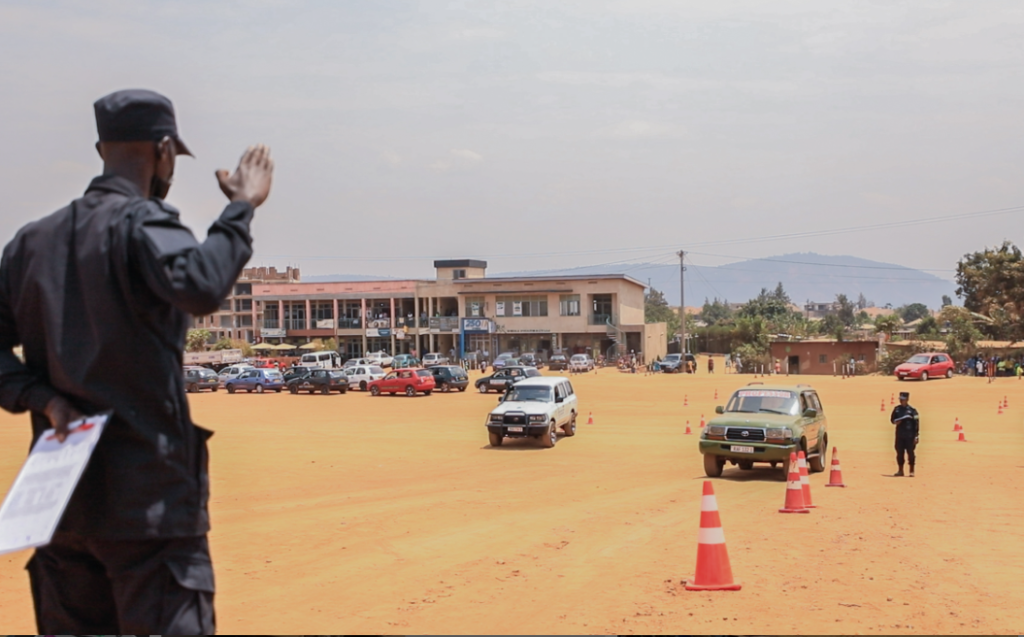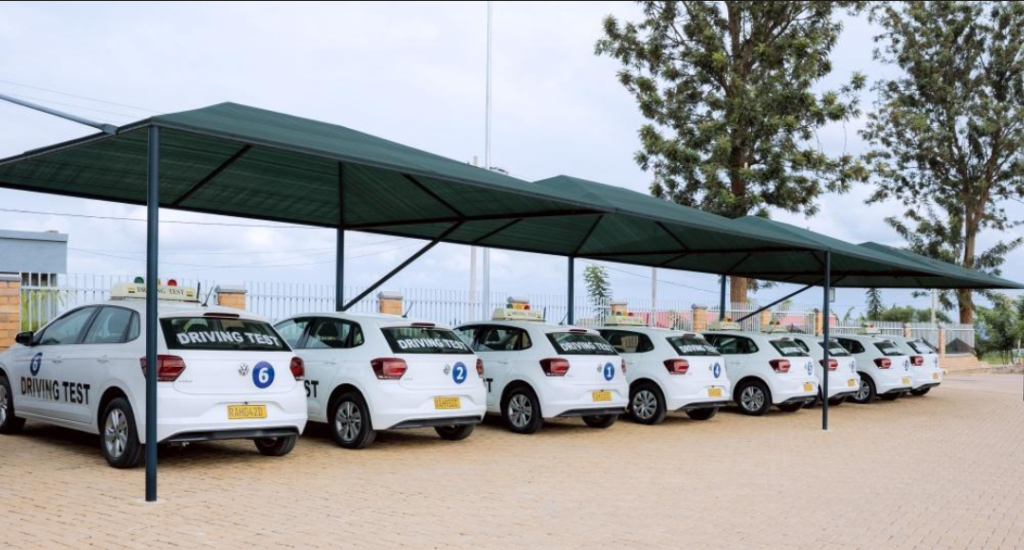


























For some time, citizens, driving instructors, and applicants for driving permits have raised concerns about the organisation and administration of permit examinations. Now, a new phase is being introduced to reform the entire system of teaching and testing for those seeking driving licenses.

ALSO READ: Minister Nsengimana Commissions the 14th Senior Command and Staff Course Graduation
Implementation Timeline
Reports indicate that the new permit examinations will begin in September, while the governing law will be officially announced in July.
ALSO READ: Manchester City Close to Financial Settlement With Chelsea to Appoint Enzo Maresca
Although the law has already been prepared and published, the next step is its implementation so that the planned changes can take effect nationwide.
Background to Reforms
ALSO READ: Nyagatare: Trade Fair Brings Together Businesses, Artists, and Public Services
These reforms follow long discussions about the quality of lessons offered in driving schools and the way examinations were conducted. In the past, teaching methods varied greatly because instructors did not follow a unified curriculum, leading to differences in the quality of knowledge among students from different schools.
New Instructor Requirements
To address this, the new regulations set fresh requirements for anyone wishing to become a driving instructor. Teachers must have completed secondary school, hold a diploma, and possess a teaching certificate authorising them to practice.
They will also be required to follow nationally approved curricula without altering lesson schedules. For example, if driving lessons are scheduled to last three months, that duration must be respected.
The same applies to road law lessons, ensuring equal opportunities for all students to learn and understand the requirements thoroughly. Examination grounds will also be required to meet modern infrastructure standards.
Technology in Examinations
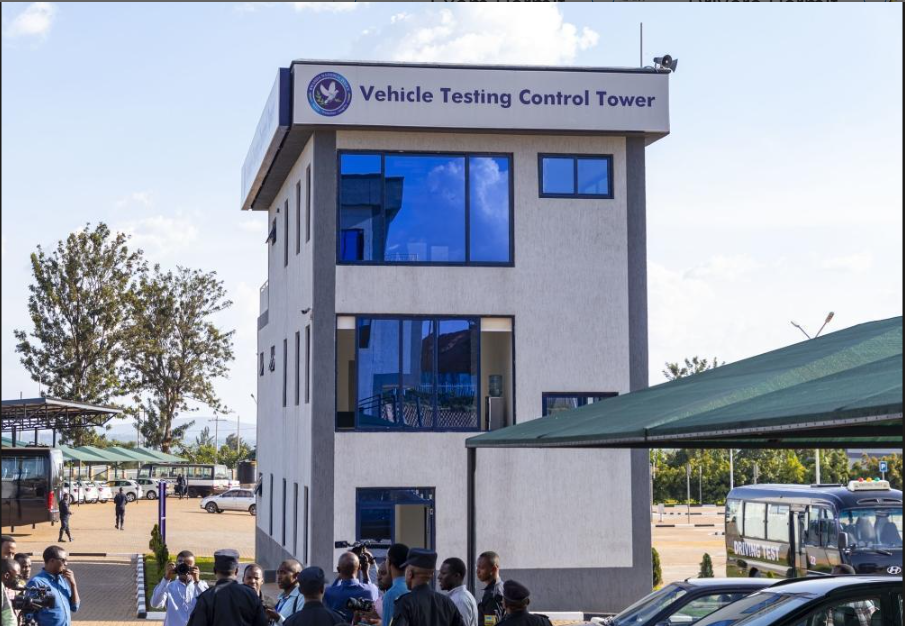
A Mini‑Automated System will be introduced, with about 80% of the exam conducted using technology. Candidates will complete most of the test using tablets, a measure expected to reduce errors and increase transparency in scoring.
Specialisation of Instructors
Instructors will specialise in one area only—some focusing on technical driving skills, others on road law. This specialisation is intended to enhance professionalism and ensure each teacher concentrates on a specific field of expertise.
Student Requirements
Students will also need to meet requirements before sitting for the permit exam. On exam day, each candidate must present a certificate or proof from the school they attended, confirming they completed the required training.
Monitoring and Oversight
Driving schools themselves will be subject to new monitoring systems and licensing procedures, overseen by the Rwanda Association for auto driving schools (ANPAER) in collaboration with the Rwanda National Police (RNP), particularly the department responsible for driving permits. Police will continue to play a key role in supervising compliance, visiting approved schools, and conducting exams at accredited centres.
For current instructors, ANPAER will provide refresher training lasting three to six months, depending on needs. Upon successful completion, they will receive certification allowing them to continue teaching under the new standards.
Expected Impact
Road safety experts believe these changes will significantly improve the quality of driver training and reduce accidents caused by insufficient knowledge. The integration of technology in exams is also expected to enhance transparency, minimise cheating, and simplify the monitoring of candidates’ progress.
Although the program is set to begin in September, citizens, students, and driving schools are advised to follow upcoming announcements carefully to understand all requirements before the new system takes effect.