




















For more than a decade, Rwanda has shown its commitment to integrating nuclear energy into the country’s development efforts.

Jimmy Gasore The Ministry of Infrastructure says that during those years, Rwanda made significant progress, especially in preparation and building readiness, to the point where the country is now ready to begin implementing nuclear energy projects.
ALSO READ: Construction Work on Ngoma Tomato Processing Plant Nears Completion
Nuclear Energy Innovation Summit for Africa
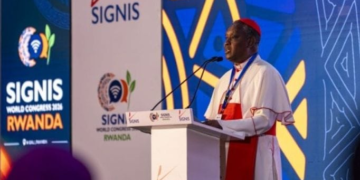
Starting this Monday, Rwanda is hosting the Nuclear Energy Innovation Summit for Africa (NEISA). Discussions focus on how nuclear energy can help solve electricity challenges across the African continent. The four-day summit has brought together Heads of State, government officials, Ministers of Infrastructure and Energy, decision-makers, investors, nuclear experts, financial institutions, and development partners in the energy sector.
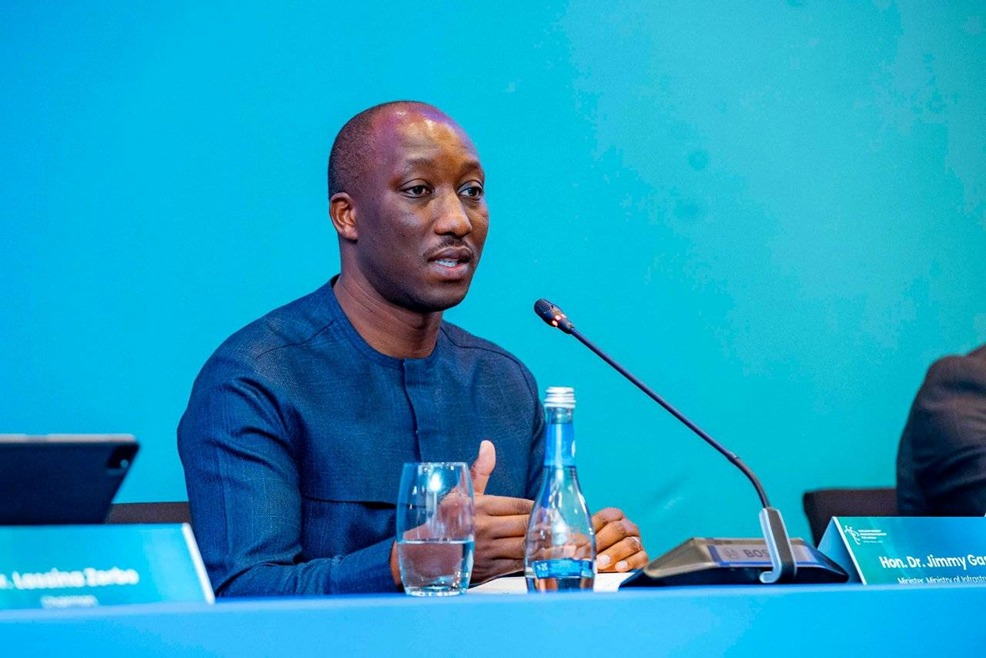
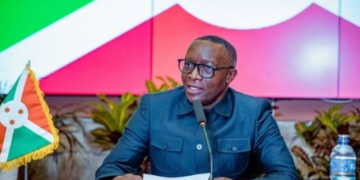
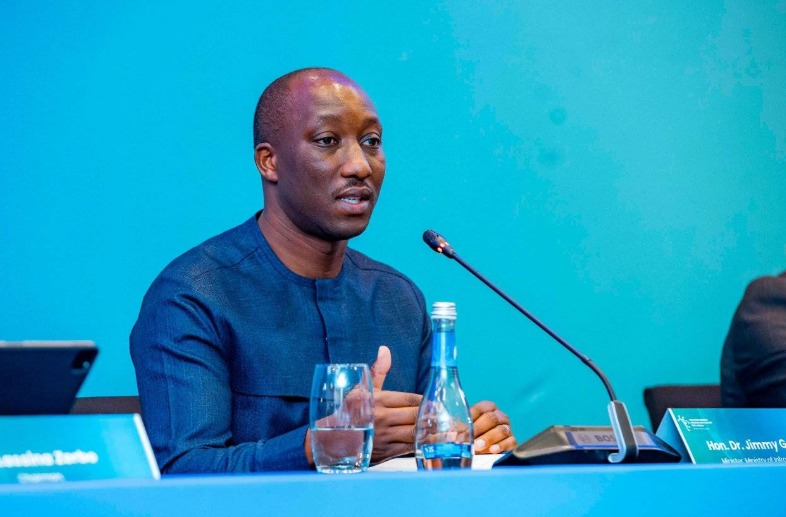
Minister of Infrastructure Dr. Jimmy Gasore said that what makes this summit different is the move from long-standing ambition to actual projects.
Vision 2050 and Electricity Needs
He said, “We know when the projects are expected to begin, and they already have timelines. To achieve this, we must put more effort into mobilizing financing to implement those projects. We are having many discussions, but all of them focus on implementation and developing projects.” Referring to Rwanda’s Vision 2050 goals, Dr. Gasore said that for the country to achieve development, it needs sufficient electricity. He noted that many developed countries around the world rely on nuclear energy.
He said, “As Rwandans, we cannot continue talking about sustainable development without talking about sufficient electricity. We are speaking about nuclear energy used for civilian purposes, including electricity generation and other development purposes. There are countries that have had nuclear energy for more than 50 years and have developed significantly. Why should we think that others have the right to develop while we, as Rwandans and Africans, deny ourselves that right?”
Regulations, Capacity Building, and Readiness
Because nuclear technology can be used for both military and civilian purposes, it requires strict regulation, transparency, and strong capacity to manage and control it properly. Since 2018, Rwanda has introduced laws and regulations and strengthened the capacity of the Rwanda Utilities Regulatory Authority (RURA).
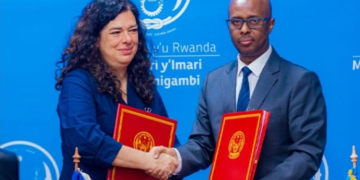
This allows RURA to continue working with international institutions as a regulatory body. The country also established the Rwanda Atomic Energy Board (RAEB) to coordinate nuclear-related activities and signed agreements with the International Atomic Energy Agency (IAEA) in preparation for implementing nuclear energy projects.
ALSO READ: Rwanda Could Begin Construction of a Nuclear Power Plant Within Two Years
In addition, Rwanda sent more than 200 students abroad to study nuclear-related fields, and a nuclear studies department has been introduced at the University of Rwanda. Dr. Gasore said, “All of this shows that, as a country, we are ready. What remains is to begin implementing the projects.” This is the second consecutive year that Rwanda is hosting the summit, following the previous edition held in July 2025. The summit aims to help African countries move beyond discussing nuclear energy projects toward implementing and investing in them.