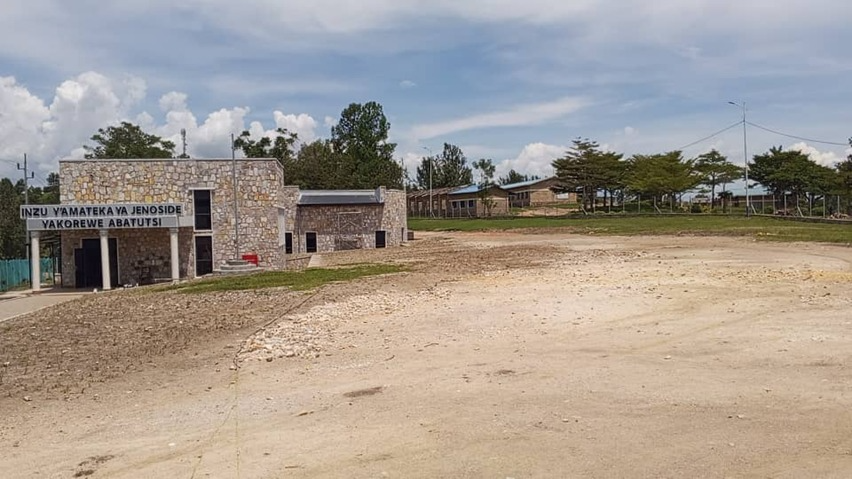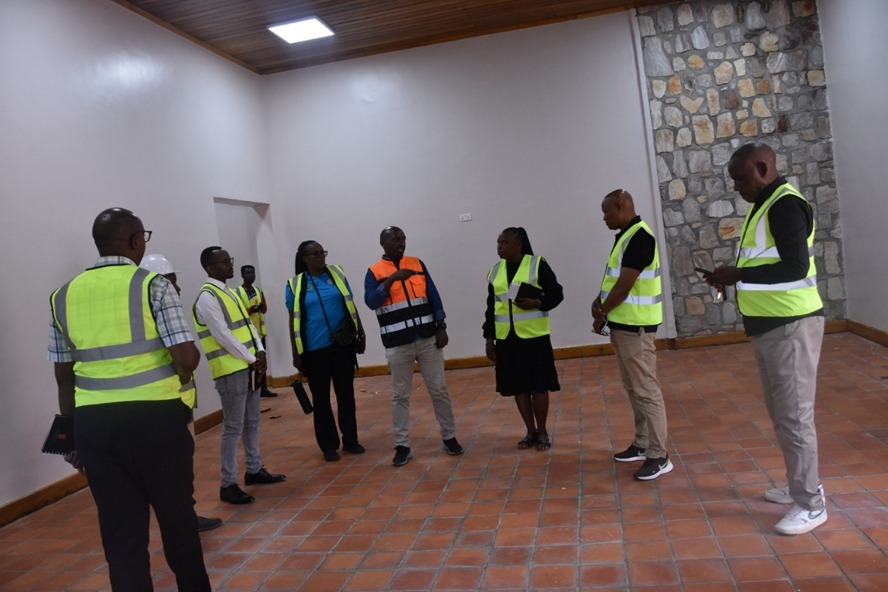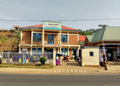
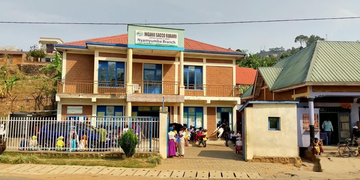




















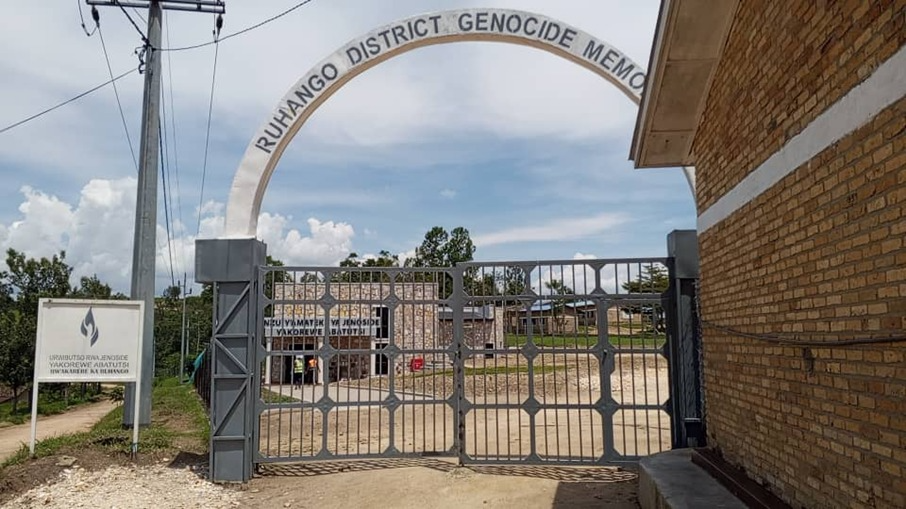
The Genocide against the Tutsi Memorial in Mayaga, located in Ruhango District, is almost complete. This marks an important step in preserving the region’s history. The site has three main parts. These include the main building, a section for technology and archives, and a space where victims’ names will be recorded.

A Place for Learning and Remembrance
Evode Munyurangabo, head of AGSF, thanked the country’s leadership for supporting the project. He said the memorial will protect important evidence and testimonies. In addition, it will help young people learn how the genocide happened in Mayaga. As Rwanda prepares for the 32nd commemoration, the site will play a key educational role.
ALSO READ: Rwanda Strengthens Grain Storage Plans as Senate Reviews Food Security Strategy
Strong Leadership and Advocacy
Jerome Gasasira, President of the Ruhango District Council, said leaders achieved this project through continuous advocacy. He added that the council feels proud to complete it within their five-year term. Moreover, this effort shows strong cooperation between leaders and the community.
Preserving History in Detail
The memorial includes six sections that explain the history of Mayaga. It covers the pre-colonial period, the First and Second Republics, and the end of the genocide. As a result, visitors will clearly understand how events unfolded over time.
Honoring Victims and Supporting Survivors
The site also features a special “chambre noir” (dark room). This room will display photos and names of key perpetrators, including those not yet tried. Finally, survivors say the memorial brings dignity and respect. They believe it is a meaningful tribute as they mark the 32nd commemoration of the Genocide against the Tutsi.