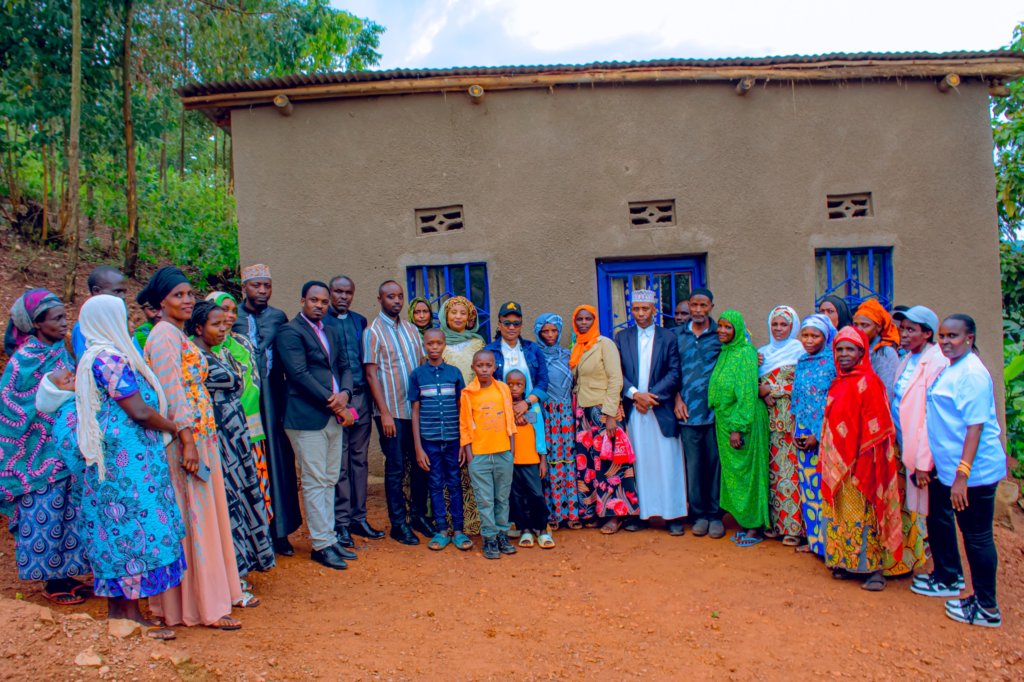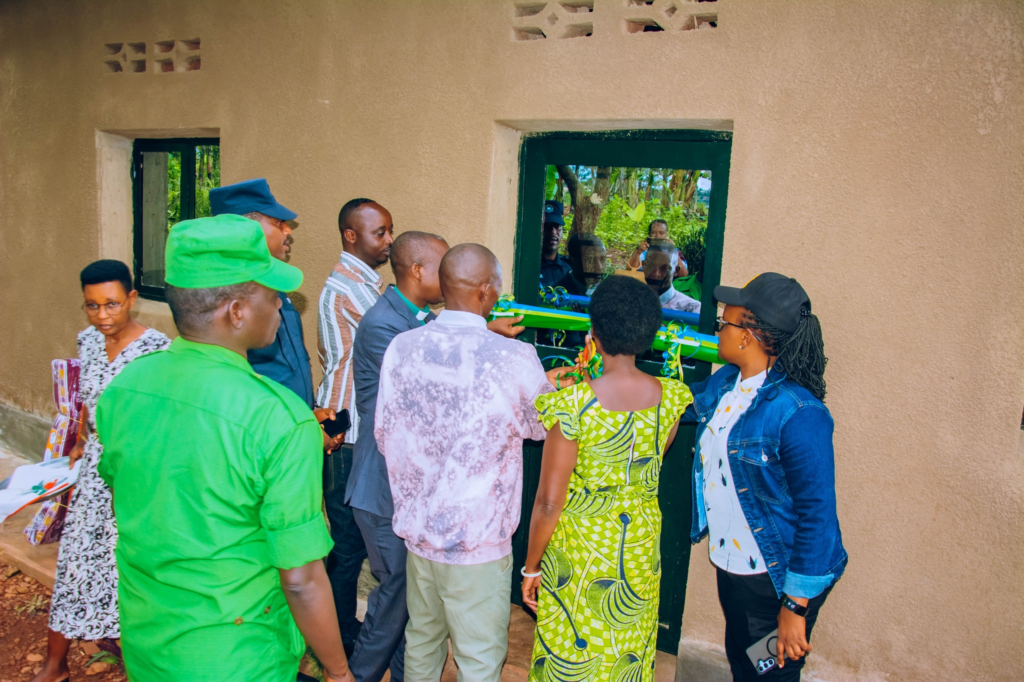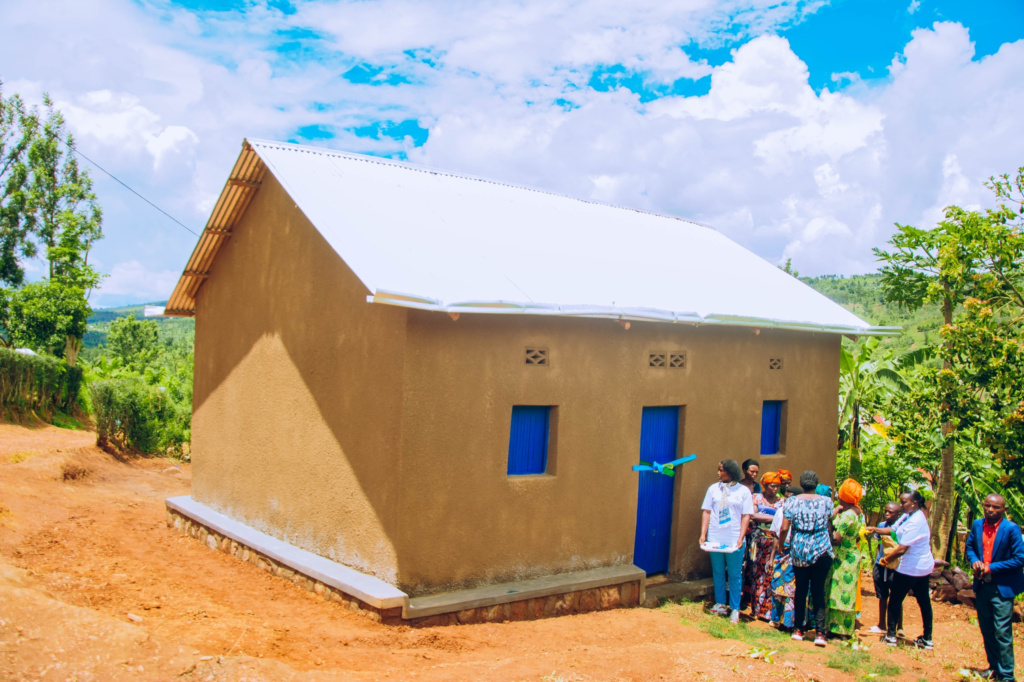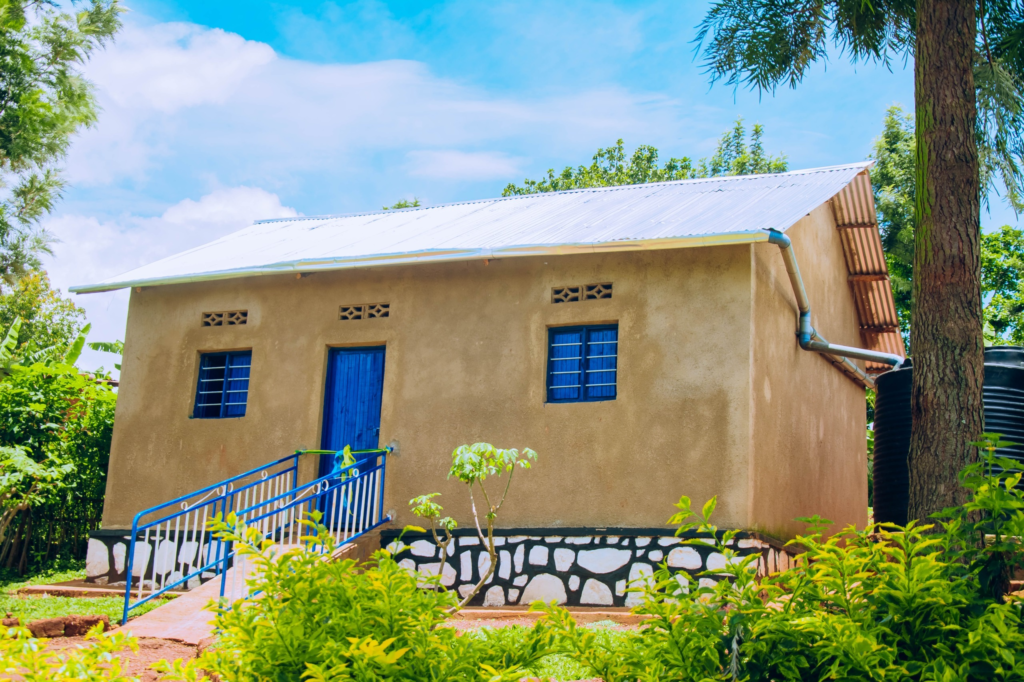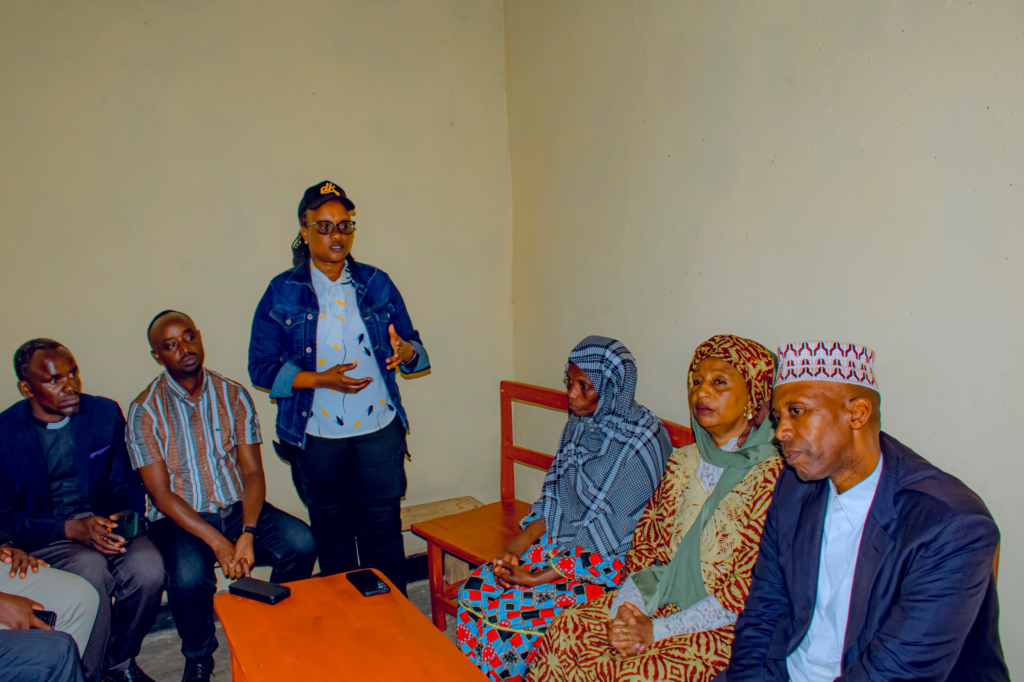








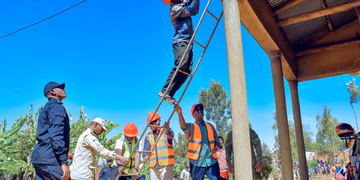
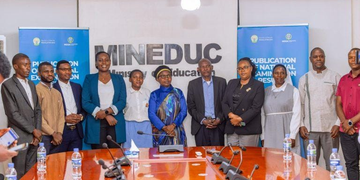











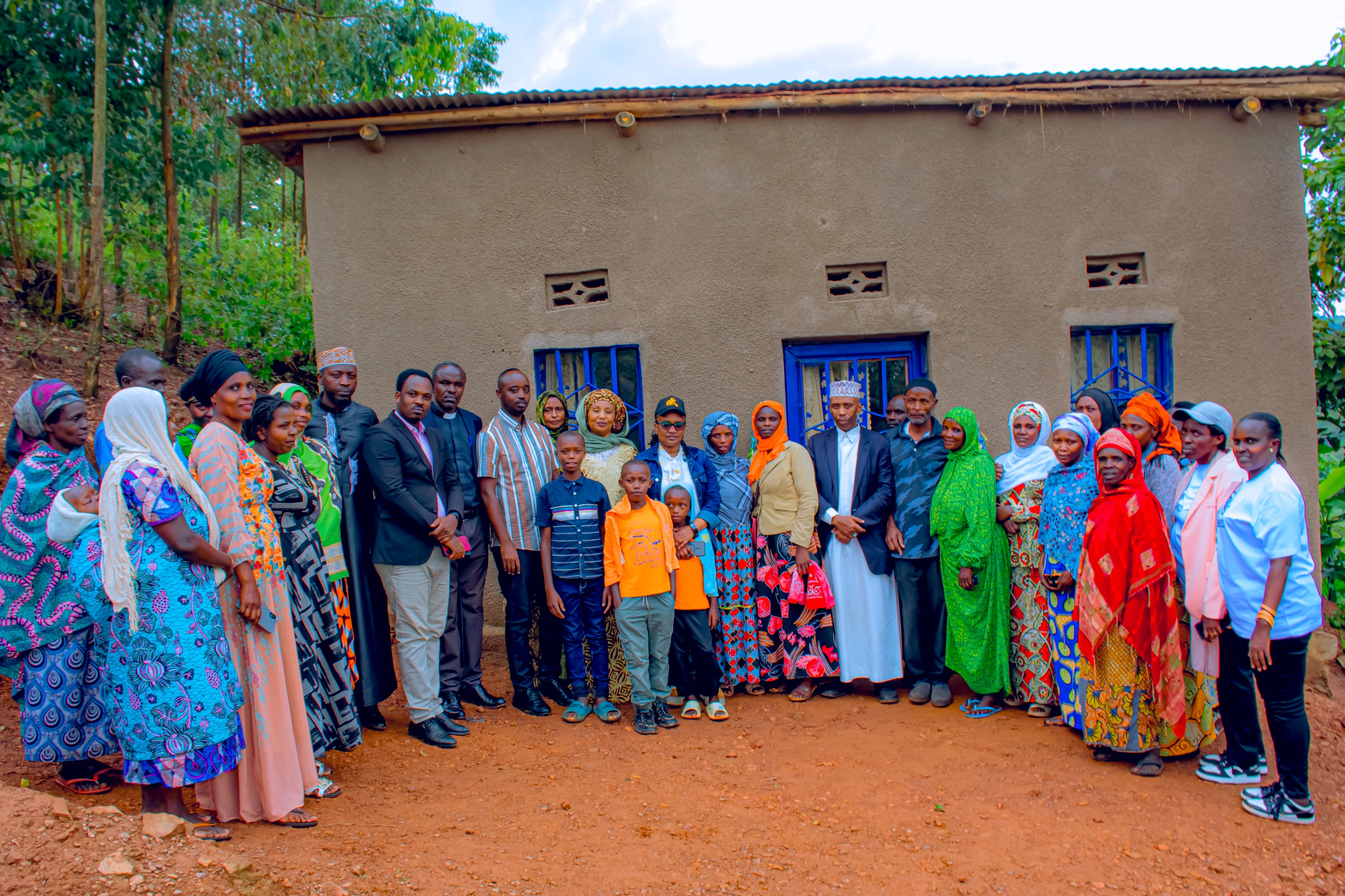
In Ngoma District, Kibungo Sector hosted a public handover of seven newly built houses for vulnerable residents. The ceremony took place on Tuesday, March 24, 2026. The Vice Mayor in charge of Social Affairs, Madam Mukayiranga Marie Gloriose, led the event. She joined sector leaders and several partners who contributed to the project. This collaboration demonstrates how local authorities and partners can work together to improve social welfare.

Faith-Based Organizations Lead the Effort
The houses were built through the joint efforts of faith-based organizations and churches in the sector. These included EAR Gahima, the Islamic Community of Ngoma, the Seventh-Day Adventist Church, UEBR, and EPR Karenge. Thanks to their support, families now have access to safe and comfortable homes. Moreover, their involvement shows how religious institutions can help uplift communities and improve residents’ quality of life.
Leadership Praises Community Cooperation
Madam Mukayiranga Marie Gloriose praised the dedication of all partners. She said, “These houses are a capital investment. The money you used to spend on rent can now help you build a better future. Take good care of them.” She emphasized that initiatives like this reduce poverty and promote residents’ well-being. Furthermore, such projects encourage families to plan for long-term development and growth.
Beneficiaries Share Their Joy
Among the recipients was Nyirandezi Zainabu from Karenge Cell. She said, “I feel like my life is starting anew. I can finally plan for my family’s future without worrying about rent every month. I am very grateful to everyone who made this possible.”
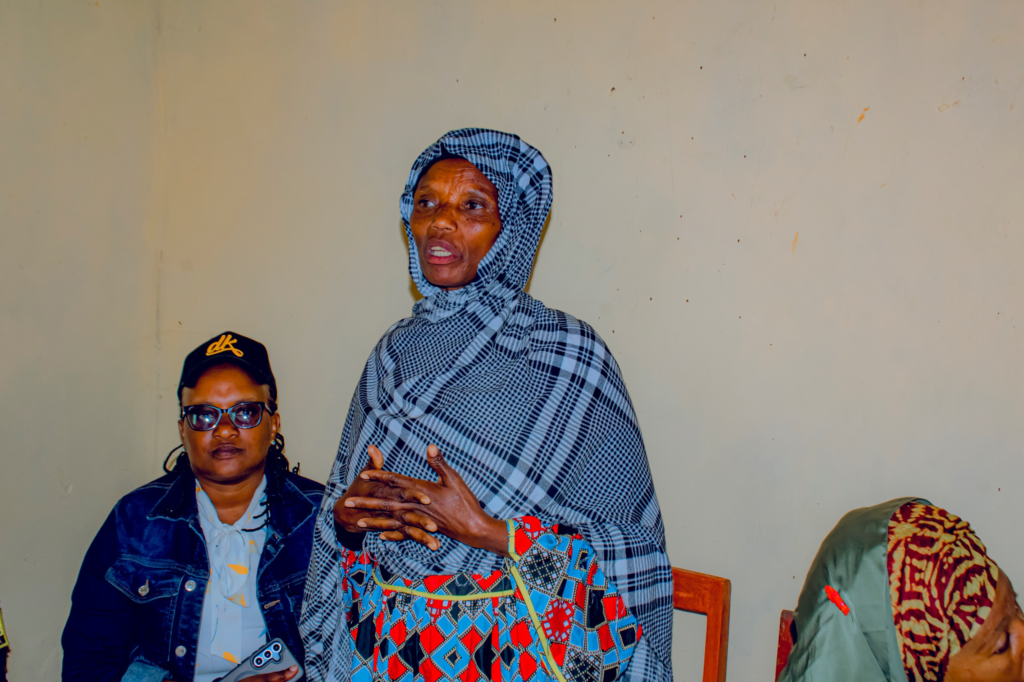
Similarly, Niyonsuti Anselme, who received a house through the Jehovah’s Witness Church, shared, “This house gives me hope and independence. I will work hard to improve my life and help my community. I feel truly blessed.” In addition, both residents highlighted that their new homes will allow them to focus on education, savings, and small business ventures.
A Step Forward in Poverty Alleviation
This project demonstrates the power of collaboration between local authorities and partners. By providing housing, the initiative does more than give shelter. It offers residents the opportunity to start a new life, become self-reliant, and actively contribute to national development. Ultimately, the handover of seven houses in Ngoma District serves as a strong example of how partnerships can enhance community well-being and build a brighter future.