























Rwanda is studying plans to establish two new national parks: the Lake Kivu Islands National Park and the Rugezi, Burera and Ruhondo National Park, which could bring the country’s total number of national parks to six by 2028.

ALSO READ: https://agaciropress.com/kenya-two-farmers-arrested-over-suspected-poisoning-of-elephants/
More Than 30 Experts Study the Proposed Parks
The Rwanda Development Board (RDB) has announced that more than 30 experts from different countries have begun studying how the two proposed national parks could be established.
The announcement comes more than a year after RDB Deputy Chief Executive Officer Juliana Kangeli Muganza told senators that Rwanda was planning to establish an Islands National Park by 2028.
Dr. Deo Ruhagaze, Deputy Director of the Rwanda Wildlife Conservation Association (RWCA), said the organisation welcomed the government’s plan and committed to supporting the feasibility study. “These will be two separate parks: the Rugezi Wetland and the islands of Lakes Burera and Ruhondo National Park, and the Lake Kivu Islands National Park. Today, we have a team of more than 30 experts studying how this project can be implemented.”
The team includes experts in business, biodiversity, community livelihoods and economics. It is also working with representatives from REMA, RFA, WASAC, RDB and the Rwanda Water Resources Board.
ALSO READ: https://agaciropress.com/rwanda-drc-and-burundi-discuss-reparations-for-belgian-colonial-damage/
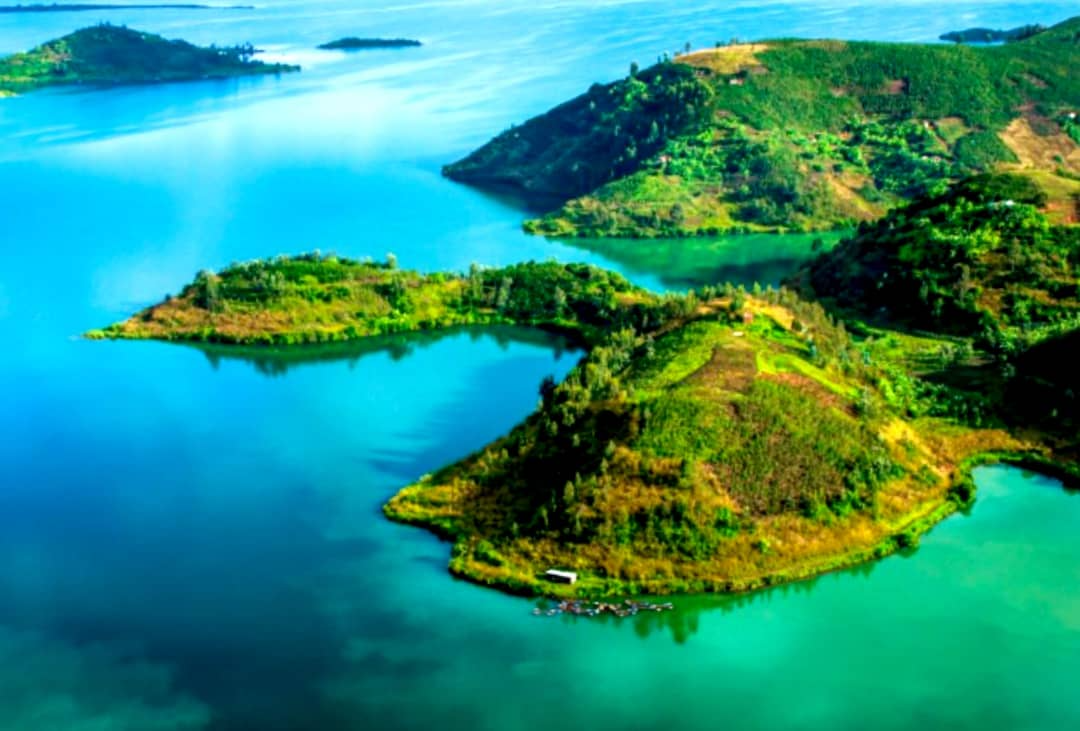
Lake Kivu Islands Could Become a National Park
Lake Kivu has 113 islands, including 42 in Rutsiro District. Some of the islands are inhabited, while others are used for activities such as agriculture.
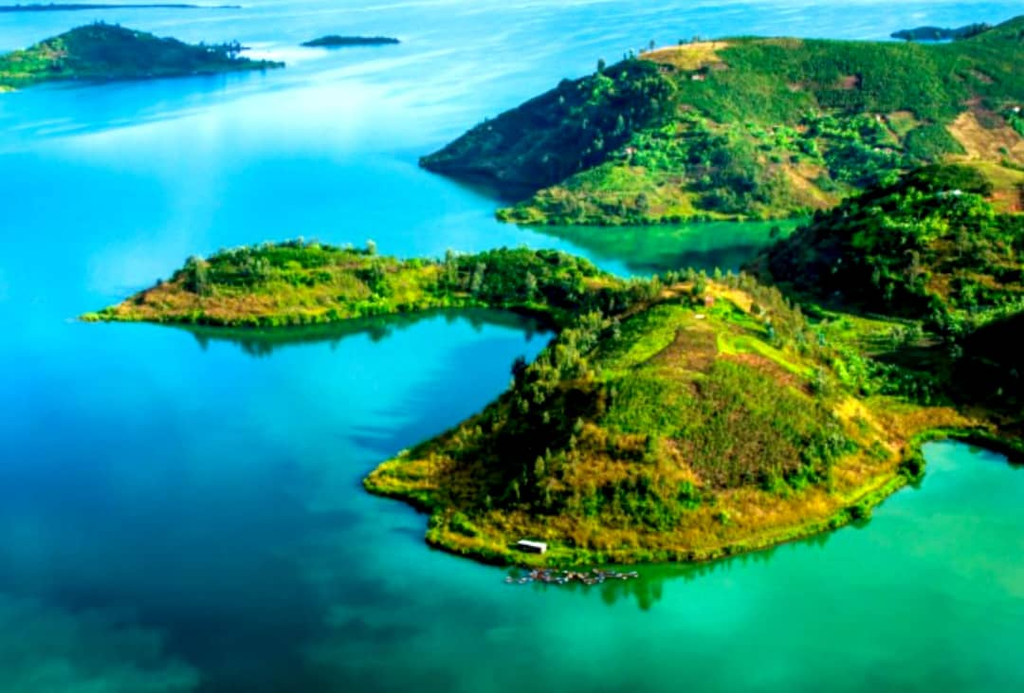
The islands also contain historical and natural attractions that could become important tourism resources if they are properly managed and protected. Dr. Ange Imanishimwe, founder of BIOCOOR, said the islands have experienced human activities for many years because they lack a stable management system. “If a park bringing together the islands of Lake Kivu is established, those islands will be protected because clear laws and guidelines for their sustainable use will be put in place.”
He said establishing the park would also help protect vegetation and biodiversity while contributing to Rwanda’s tourism and foreign exchange earnings. Prof. Elias Bizuru, a biodiversity expert and lecturer at the University of Rwanda, said research had identified unique species on the islands. “Lake Kivu has 28 species of fish and is also home to otters. Turning it into a park would bring benefits for tourism, biodiversity conservation, local communities and the country.”
Tourism Could Benefit Local Communities
Niyomugabo Moise, who leads a 40-member cooperative that takes tourists around Lake Kivu, said the area already attracts many visitors.
According to him, the cooperative can guide about 1,000 tourists per month during busy periods, with around 70% coming from outside Africa. During the low season, the number falls to about 300 tourists. “They are curious to travel around Lake Kivu, see its biodiversity and visit the islands. Turning the Lake Kivu islands into a national park would help us develop further because, as we have seen elsewhere, national parks work with local communities.”
He believes the creation of a national park could increase the number of visitors by making the islands better known.
ALSO READ: https://agaciropress.com/ruhango-dispute-erupts-between-residents-and-sand-miners-over-land/
Rugezi, Burera and Ruhondo Have Unique Biodiversity
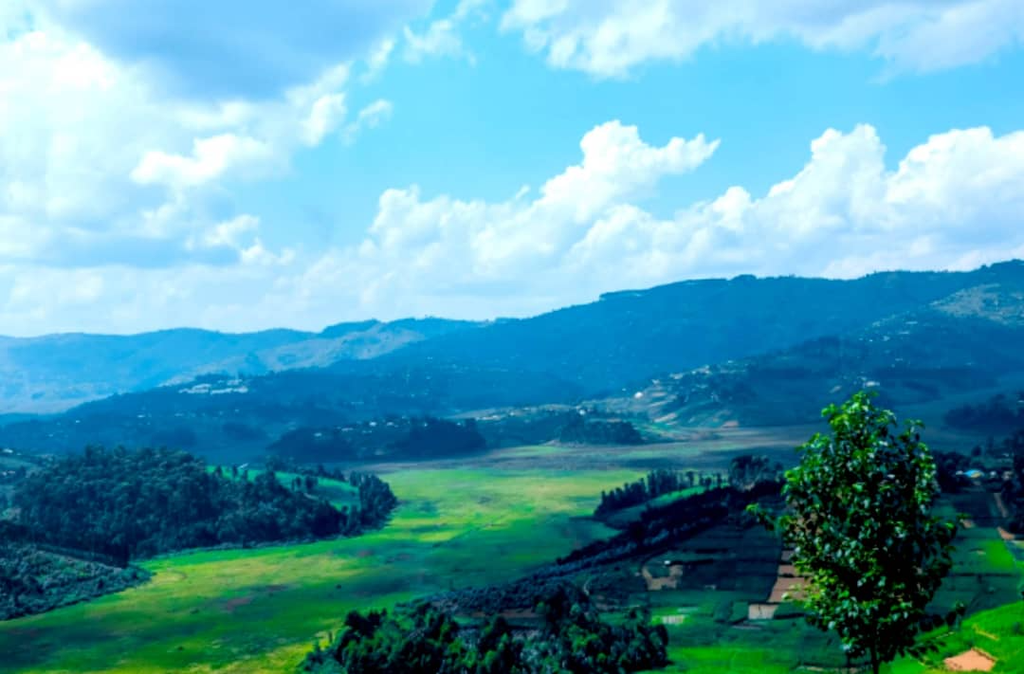
The second proposed park would bring together the Rugezi Wetland and the islands of Lakes Burera and Ruhondo. Rugezi Wetland covers about 6,735 hectares and is located in Burera and Gicumbi districts in northern Rwanda. Situated at about 2,100 metres above sea level, it is an important source of water flowing into the Nile River.
The wetland also supplies water used by the Ntaruka hydropower plant. Dr. Deo Ruhagaze said the proposed park would have particular importance because Rugezi is home to about half of Rwanda’s grey crowned cranes.
The number of grey crowned cranes in the wetland has increased from 71 in 2015 to 378 over the past 10 years. “If Rugezi, Burera and Ruhondo become a national park, they will contribute to protecting the biodiversity found in this wetland and on the islands of Lakes Burera and Ruhondo, particularly the grey crowned cranes and the many reptiles found there.”
How Rwanda Establishes a National Park
Establishing a national park in Rwanda involves several stages. First, an area with potential for national park status is identified and landowners are informed about the proposal. Environmental and social impact assessments are then conducted, followed by consideration of any concerns or objections. The boundaries of the proposed park are subsequently established before the park is officially approved and created in accordance with Article 10 of Law No. 14/2023 governing national parks and protected areas.
Frank Dushimimana, an RDB official responsible for wildlife conservation and protected areas, said the study of the Lake Kivu islands began four months ago. “The study has already begun, and in the coming days the team will also reach out to local residents so that the study is guided by what is beneficial to the community.”
Rwanda Could Have Six National Parks
Rwanda currently has three national parks: Volcanoes National Park, Akagera National Park and Nyungwe National Park.
If the two proposed parks are established, the country would have six national parks.
The expansion would also support the government’s target of increasing tourism revenue from $645 million in 2024 to $1.1 billion by 2029.
Proposed Parks Could Be Established by 2028
The team conducting the feasibility study expects to complete its work by 2027. If the necessary studies, consultations and approval processes are successfully completed, the Lake Kivu Islands National Park and the Rugezi, Burera and Ruhondo National Park could be established by 2028.
The twin lakes of Burera and Ruhondo are already among Rwanda’s major natural attractions, with Lake Burera alone having nine islands.