




















Rwanda, the Democratic Republic of Congo (DRC) and Burundi have joined international discussions in Baku, Azerbaijan, on the effects of Belgian colonialism and possible reparations for the damage caused during the colonial period.

ALSO READ: https://agaciropress.com/citizens-welcome-police-crackdown-on-youth-indecency-and-immoral-behavior/
Three Countries Discuss Colonial Legacy
The conference focused on injustices committed during Belgian colonial rule and possible steps to address the damage caused in Rwanda, Burundi and the DRC.
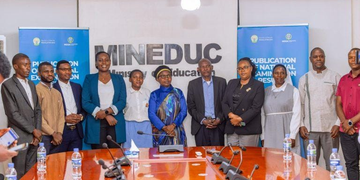
It was organized by the Baku Initiative Group and brought together representatives from the three countries, researchers, international law experts and representatives of the United Nations.
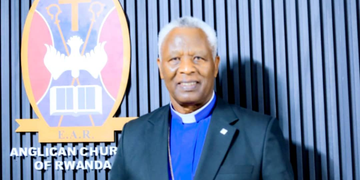
Rwanda was represented by its Ambassador to Türkiye, who also represents the country in Azerbaijan, Lt. Gen. (Rtd) Charles Kayonga.
Participants discussed the political, economic and social problems left by Belgian colonial rule and ways of re-examining this history in the pursuit of justice and reparations.
ALSO READ: https://agaciropress.com/what-to-know-about-rwandas-anti-corruption-law/
Belgian Colonial Rule in the Great Lakes Region
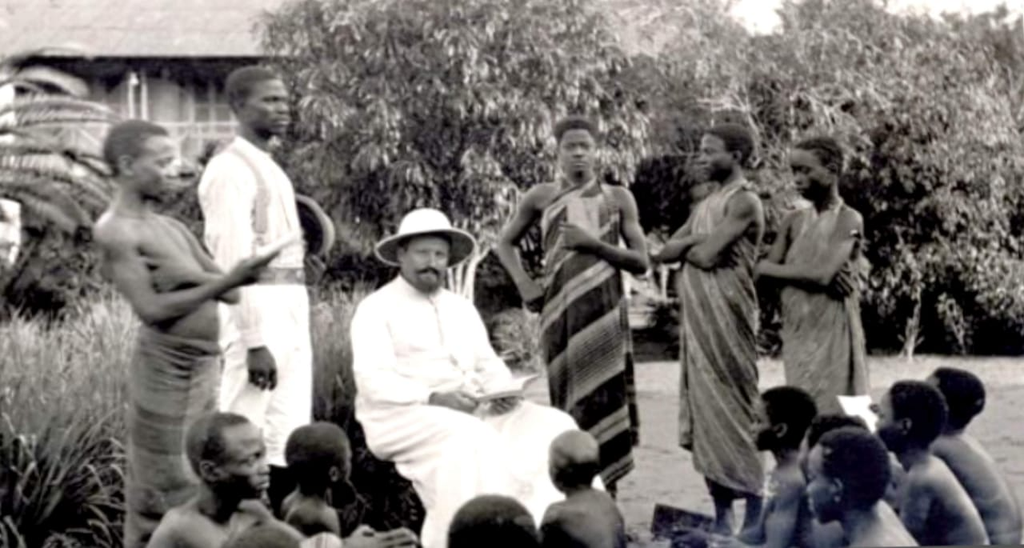
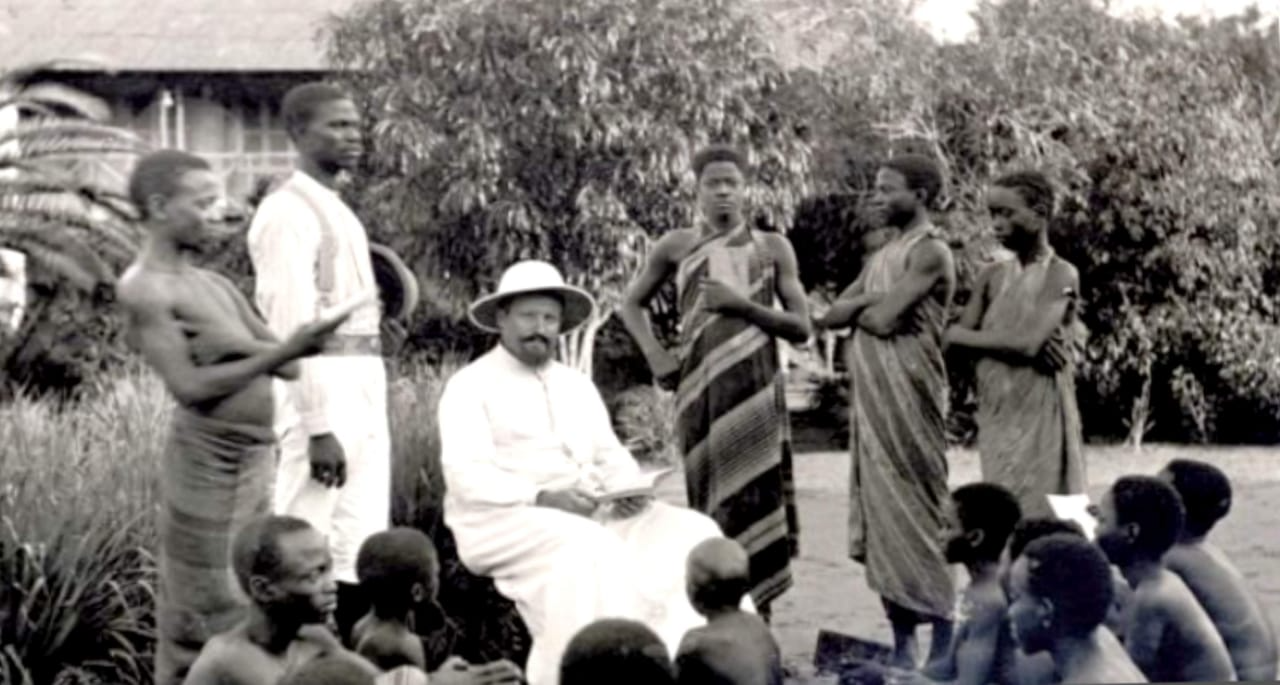
Rwanda, Burundi and the DRC came under Belgian colonial rule after the First World War. Although colonial rule ended between 1960 and 1962, participants said its effects continue to be felt in the region.
Representatives from Morocco, South Africa and the United Nations also supported discussions on the long-term effects of colonialism.
They argued that the consequences of colonialism did not end when African countries gained independence, but continued to influence political systems, economies and social relations.
The conference comes as discussions about slavery, colonialism and reparations continue across Africa, with various countries and organizations calling for historical injustices to be examined and addressed.
ALSO READ: https://agaciropress.com/rwanda-over-371000-students-pass-2025-26-national-examinations/
Rwanda Before Belgian Colonial Rule
Rwanda came under European influence following the Berlin Conference of 1884–1885, during which European powers divided African territories among themselves.
Before colonial rule, Rwanda was an independent kingdom governed by a king. Rwandans had their own political, social and economic systems.
At the beginning of the 20th century, Rwanda came under German rule. In 1916, Belgium took control of Ruanda-Urundi, which included present-day Rwanda and Burundi.
ALSO READ: https://agaciropress.com/mtn-rwanda-revenue-rises-by-21-9-profit-reaches-rwf-17-2-billion/
Economic Policies Under Belgian Rule
During Belgian colonial rule, the administration promoted economic activities that benefited the colonial system.
These included export-oriented agriculture and forced labour, which placed significant demands on the population.
The colonial administration also introduced policies that changed the way Rwandan society was governed and classified.
ALSO READ: https://agaciropress.com/kirehe-four-killed-16-injured-in-road-accident/
Colonial Policies and Ethnic Division
One of the most debated aspects of Belgian colonial rule in Rwanda is its role in transforming existing social categories into rigid ethnic identities.
Belgian authorities introduced identity cards that included ethnic classifications. These classifications were later used to reinforce divisions among Rwandans.
These policies contributed to the development of an increasingly divided society, with political and social consequences that continued long after colonial rule ended.
Independence and the Continuing Colonial Legacy
As demands for independence intensified in the 1950s, Belgium eventually granted Rwanda independence on July 1, 1962.
However, Belgium continued to have influence through the political structures that emerged after independence.
The legacy of colonial policies continued to influence Rwanda’s political and social development during the First and Second Republics.
According to the historical interpretation presented in the article, these divisions contributed to the circumstances that eventually culminated in the 1994 Genocide against the Tutsi.
ALSO READ: https://agaciropress.com/nyanza-security-guard-dies-after-falling-while-raising-rwandan-flag/
Calls to Re-examine Colonial History
The discussions in Baku have therefore placed the colonial history of Rwanda, Burundi and the DRC within the wider international debate on historical justice and reparations.
The participants argue that examining the effects of colonialism is important not only for understanding the past but also for addressing its lasting consequences and restoring the dignity of affected communities.