

















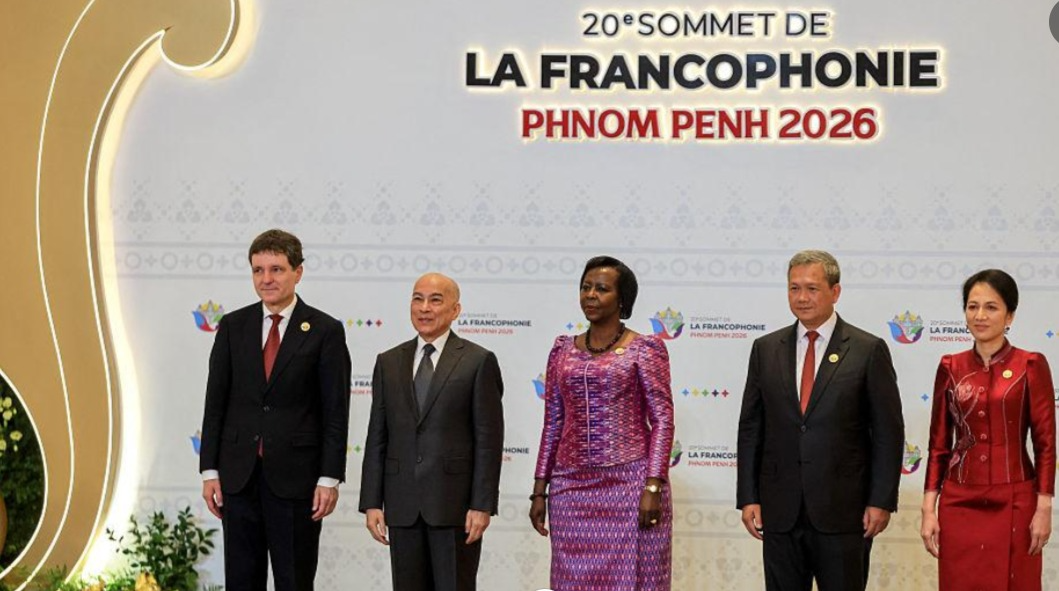
Louise Mushikiwabo will remain Secretary-General of the International Organisation of La Francophonie (OIF) until 2028 after member states failed to agree on a candidate for the next term and opted against holding an election.

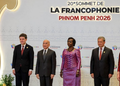
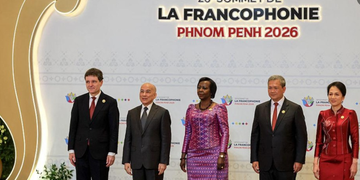
The decision was reached during a closed-door meeting of heads of state and government on November 16, 2026, on the sidelines of the 20th Francophonie Summit in Phnom Penh, Cambodia. The arrangement allows Mushikiwabo to continue leading the organisation while member states work on a new process for selecting her successor
ALSO READ: It Is the Beginning of a New Step to Strengthen Our Cooperation_ President Kagame
Leaders Choose Consensus Over Election
Before the summit, the 53 full member states of the OIF were expected to choose a Secretary-General for the 2027–2030 term. Under the organisation’s rules, member states first seek consensus, with an election provided for if agreement cannot be reached. However, leaders agreed not to proceed with an election, partly because of concerns that a vote could create divisions within the organisation. Instead, they reached a compromise allowing Mushikiwabo to remain in office until the next summit in 2028.
Rwanda’s Minister of Foreign Affairs and International Cooperation, Ambassador Olivier Nduhungirehe, welcomed the decision, saying it reflected an agreement among member states. He said Rwanda had maintained that Mushikiwabo’s candidacy should not be withdrawn because of pressure from any country. Nduhungirehe said: “I am satisfied, because a consensus was reached among the member states of the Francophonie during the closed-door meeting of Heads of State,” He added that some leaders were concerned that an election decided by a simple majority could weaken unity within the organisation.
ALSO READ: NIDA to Resume e-ID Registration and Biometric Data Capture Across Rwanda
Rwanda-DRC Disagreement Marked Leadership Debate
The decision followed days of disagreement between Rwanda and the Democratic Republic of the Congo (DRC) over the OIF’s next leadership.
The DRC initially nominated Juliana Amato Lumumba but later indicated that it intended to withdraw her candidacy and support Romania’s Dacian Cioloș instead. Kinshasa had openly opposed another term for Mushikiwabo and had suggested that it could leave the organisation if she was re-elected. Rwanda, meanwhile, maintained its support for Mushikiwabo, arguing that the organisation’s rules provided for an election if member states failed to reach consensus.
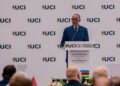
Before the summit, Mushikiwabo had also insisted that her candidacy would remain in the race until the end. he urged leaders not to allow tensions between Rwanda and the DRC to influence the Francophonie’s affairs. she said: “The conflict between the DRC and my country should remain on the shores of Lake Kivu; it should not be carried to the banks of the Mekong or the Seine,”
ALSO READ: Bukayo Saka and Tolami Benson Spark Relationship Speculation Following Instagram Changes
Mushikiwabo Highlights Reforms and Achievements
Mushikiwabo, who first became Secretary-General in 2018 and was re-elected in 2022, said her nearly eight years leading the organisation had produced tangible results. She highlighted initiatives in artificial intelligence, noting that the OIF had been working to respond to technological changes and prepare for the future.
She also pointed to programmes that had already demonstrated their effectiveness, saying the next priority was to expand them and improve their impact. During her leadership, the organisation has also introduced reforms aimed at improving its operations and strengthening its influence in international affairs. Mushikiwabo said she intended to continue working to give the OIF a stronger position in multilateral relations and the wider international community.
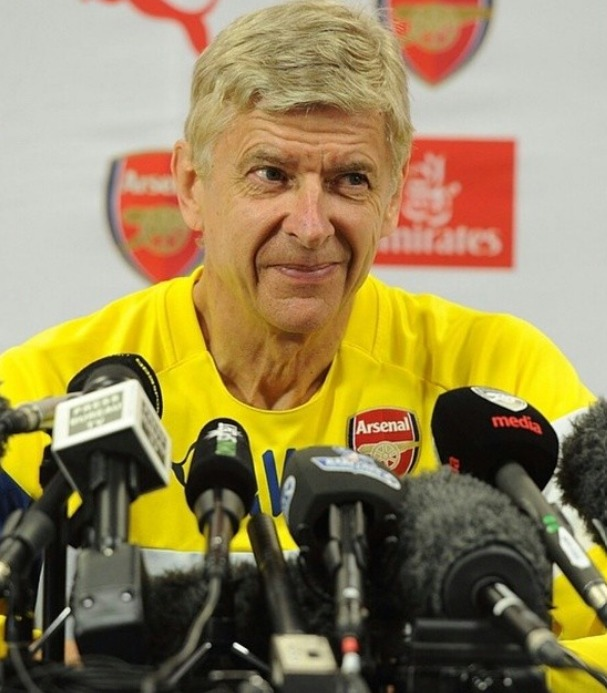
ALSO READ: Arsène Wenger Rules Out Challenge to Gianni Infantino in FIFA Presidential Election
New Leadership Selection Rules Still to Be Addressed
Despite the progress made, Mushikiwabo acknowledged that some institutional reforms remain unfinished, particularly those governing the selection of the Secretary-General. She said the additional period in office would provide an opportunity to continue these reforms and establish clear procedures acceptable to all member states.
The aim, she explained, is to ensure that future decisions, including the appointment of the organisation’s leader, follow a well-defined process agreed upon by members. The Francophonie Summit is held every two years. The next meeting is scheduled to take place in Canada in 2028, when member states are expected to elect a new Secretary-General.