



















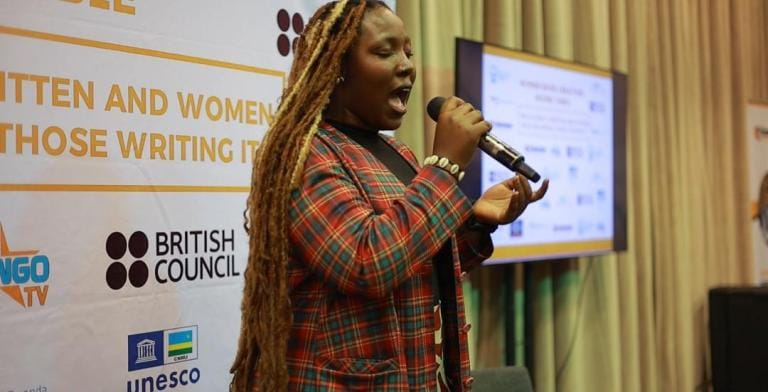
From protecting African languages to exploring the ethics of artificial intelligence, Rwanda’s second Umurage International Book & Art Festival is creating a platform for writers, publishers and young creatives to shape the future of storytelling.

KIGALI, Rwanda The future of African storytelling is being debated in Kigali, where authors, publishers, artists, policymakers and young creatives are gathering to explore what it means to preserve the human voice in an increasingly technology-driven world.
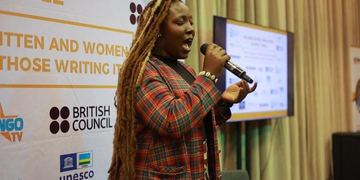
Under the theme “The Future Is Written: Human Voices, Intelligent Tools,” the second Umurage International Book & Art Festival is bringing together discussions on literature, artificial intelligence, African languages, publishing ethics and the future of knowledge.
Launched in 2025, Umurage is developing into an annual platform for literary exchange, cultural preservation and creative industry development. Its second edition, running from September 28 to October 3, 2026, builds on the inaugural festival’s focus on heritage and storytelling while examining the opportunities and challenges presented by emerging technologies.
Organised by Arise Education in technical partnership with Rwanda’s Ministry of Youth and Arts, the festival is founded on the belief that books are more than objects to be read. They preserve memory, transmit knowledge, shape identity and create opportunities for cultural and economic exchange.
The central question is how African creators can embrace technological innovation without losing ownership of their voices, languages and cultural identities as artificial intelligence transforms the creation, translation, publication and distribution of stories.
ALSO READ: https://agaciropress.com/rwanda-and-kenya-strengthen-cooperation-in-governance-and-public-service/
Beyond the Theme: Who Writes the Future?
The festival’s theme reflects a growing debate within the global publishing industry. Artificial intelligence can support research, translation, editing, illustration, audiobook production and access to digital content. However, its growing influence also raises questions about authorship, copyright, cultural representation and the value of human creativity.
For African publishers, these concerns carry particular significance. The continent has a wealth of stories, languages and cultural knowledge, but ensuring their representation in digital systems and international markets requires investment, infrastructure and deliberate policy choices.
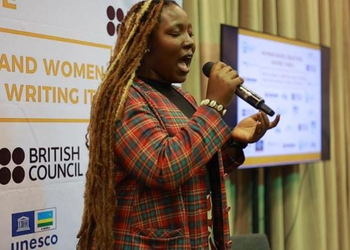
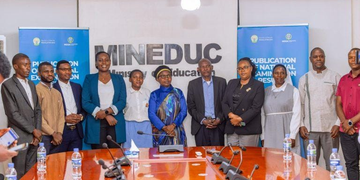
The challenge is not simply to adopt new technology. African writers, publishers and communities must also participate in shaping how it is developed and used. This question was central to the Women Book Creatives Round Table, which opened the festival’s discussions on the experiences, opportunities and barriers facing women in the book and creative sectors.
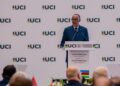
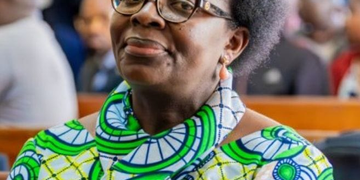
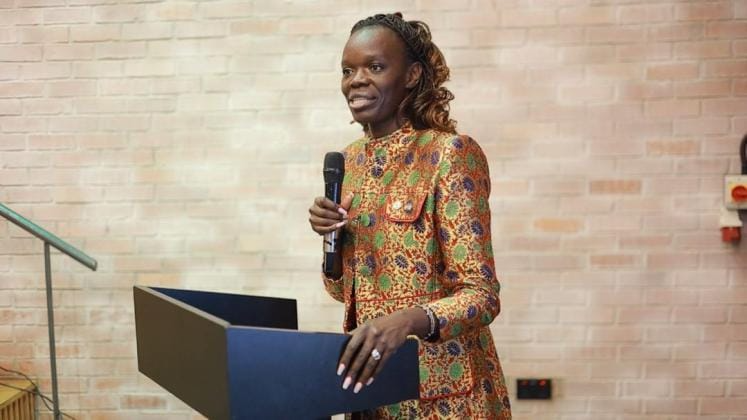
Emma Claudine Ntirenganya, Director General of Communications at the City of Kigali, delivered a keynote address titled Writing Our Own Future, placing human experience and cultural identity at the centre of the conversation.
Ntirenganya said: “Technology can help us produce content faster. But technology cannot replace the lived experience that gives a story meaning.” Her message reflected the festival’s central theme: technological progress need not come at the expense of authentic storytelling.
she added: “The message is not that we must choose between people and technology. It is that we must learn how to use intelligent tools without losing the human voice at the centre of our work.”
For a continent whose histories and identities have often been interpreted through external narratives, the ability to create and distribute its own stories remains an important cultural and economic priority.
Ntirenganya challenged women to move beyond being consumers of technology and become creators, innovators, entrepreneurs, publishers and owners of intellectual property.
she said: “If we are absent when the future is being designed, we risk having our stories, our experiences and our perspectives underrepresented in that future.” Her remarks connected the debate on artificial intelligence to a broader question of participation: who has the resources, platforms and influence to shape the future of the creative economy?
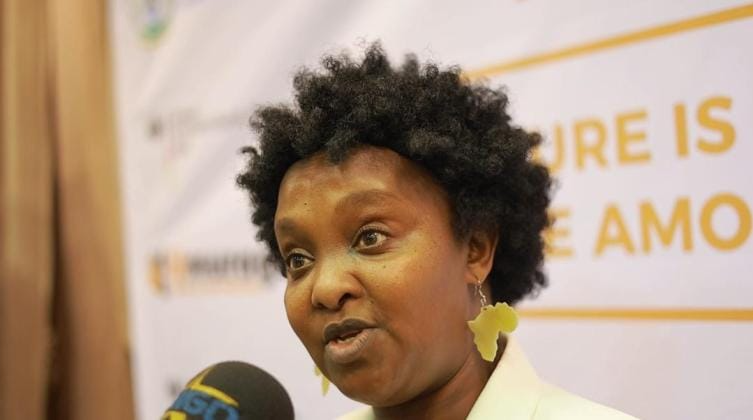
African Languages at the Centre of Innovation
One of the most significant questions facing the future of publishing is whether African languages will have a meaningful place in the digital and artificial intelligence ecosystem. In Rwanda, this includes ensuring that Kinyarwanda literature, children’s books, locally produced educational materials and cultural knowledge are available in formats that reflect readers’ linguistic and learning needs.
Artificial intelligence could expand opportunities for translation, digital reading, accessible learning materials and audiobook production. However, these possibilities depend on the availability of quality content, language resources, editorial expertise and appropriate safeguards. If African languages remain underrepresented in digital systems, the benefits of technological innovation may not reach all communities equally.
For publishers, the opportunity lies in creating content that serves local readers while reaching wider markets. For policymakers and technology developers, it means recognising local-language publishing as part of the knowledge economy rather than treating it as a peripheral cultural activity.
The festival’s programme connects these concerns to Rwanda’s broader ambitions in digital transformation, education and innovation. It explores how the country can become not only a consumer of technology but also a producer and contributor of knowledge.
Achieving that ambition requires collaboration among government, educational institutions, publishers, technology companies and the communities whose stories and languages give these systems meaning.
ALSO READ: https://agaciropress.com/preliminary-works-completed-as-prince-house-masaka-road-expansion-advances/
From Nigeria to Denmark: Stories Across Borders
Umurage’s international participation highlights the value of bringing different literary traditions and publishing experiences into the same conversation. Participants include Nigerian literary and publishing professionals, alongside Danish author Ayaz Shah, whose writing explores identity, culture, migration and belonging.
Nigerian children’s author, editor, publisher and literacy advocate Amarachukwu Obika-Stevens is associated with the #ReadIgboChallenge, which promotes reading in Igbo among children. Her work highlights the connection between literacy development, indigenous languages and stories that reflect children’s cultural environments.
Shah brings another perspective through his exploration of cultural identity and the movement of stories across languages and communities. Such exchanges matter because African publishing does not develop in isolation. Writers and publishers need opportunities to learn from one another, establish professional relationships, explore translation and distribution, and understand how books can cross borders without losing the distinctive qualities that make them meaningful.
For emerging creatives, meeting established professionals also provides practical knowledge about publishing, international markets and the work required to build sustainable creative careers.
The festival’s emphasis on young people is particularly important. They are not simply future readers; they are potential authors, illustrators, editors, publishers, translators and technology innovators.
A literary ecosystem that gives young people opportunities to participate in these conversations is investing in the next generation of people who will produce, preserve and distribute knowledge.
Kigali, Creativity and the Knowledge Economy
The festival also places books and publishing within Rwanda’s wider creative economy. A sustainable literary industry requires more than talented writers. It depends on publishers, printers, booksellers, libraries, educators, distributors, investors and readers. It also requires policies and partnerships that enable creators to earn from their work and businesses to reach viable markets.
Digital platforms and AI-enabled tools may create new ways to discover books, reach readers and adapt content into different formats. At the same time, questions about copyright, attribution, licensing and the use of published works in AI systems require careful attention.
Innovation must therefore be accompanied by respect for the people who create the underlying content. As Ntirenganya observed in her keynote, books, publishing, literature, art and creative expression are closely connected to the development of a city. They contribute to education, cultural exchange, economic opportunity and collective imagination.
she said: “A city is not built only with roads and buildings. A city is also built with ideas, knowledge, stories and imagination.”
Her statement places literary culture within a broader understanding of development. Alongside physical infrastructure and technological advancement, societies need the knowledge, creativity and cultural confidence that enable people to imagine and build their futures. For Rwanda’s book sector, this presents an opportunity to strengthen connections between education, technology, entrepreneurship and cultural production.
A Festival That Began with Heritage
The significance of this year’s conversations becomes clearer when viewed against Umurage’s beginnings. The inaugural edition, held in Kigali in October 2025, explored the theme “Cultural Renaissance: The Power of Arts, Heritage and Storytelling.” It brought together writers, artists, publishers, booksellers, educators and cultural leaders to examine how literature and the arts contribute to identity, knowledge and development.
The second edition builds on that foundation. Heritage remains important, but the conversation now considers how cultural memory can be preserved, created and shared in a rapidly changing technological environment.
For Arise Education, the festival offers a platform to connect different parts of the literary ecosystem and strengthen the role of books in public life. Its broader ambition is to help African stories reach wider audiences, encourage professional collaboration and create opportunities for the people who make books possible.
Writing the Future Together
As Umurage continues, its significance will ultimately be measured not only by the people gathering in Kigali but also by the partnerships formed, the ideas carried forward and the opportunities created for writers, publishers and young creatives.
The festival raises questions that extend beyond publishing. Who owns knowledge in the digital age? How can local languages remain visible as technology advances? What safeguards are needed to protect creative work? And how can young Africans participate in shaping the systems through which future generations will learn and tell their stories?
These questions have no single answer. They require sustained engagement among creators, institutions, policymakers, technology developers and readers. However, the principle at the heart of Umurage is clear: intelligent tools may expand what is possible, but the human voices, cultural experiences and creative choices behind meaningful stories must remain central.
As Ntirenganya concluded in her keynote, “Because ultimately, the future is written and we all have a role in writing it.” For African literature, the task is to ensure that the continent’s writers and communities are not merely represented in the future being created, but are among those actively writing it.