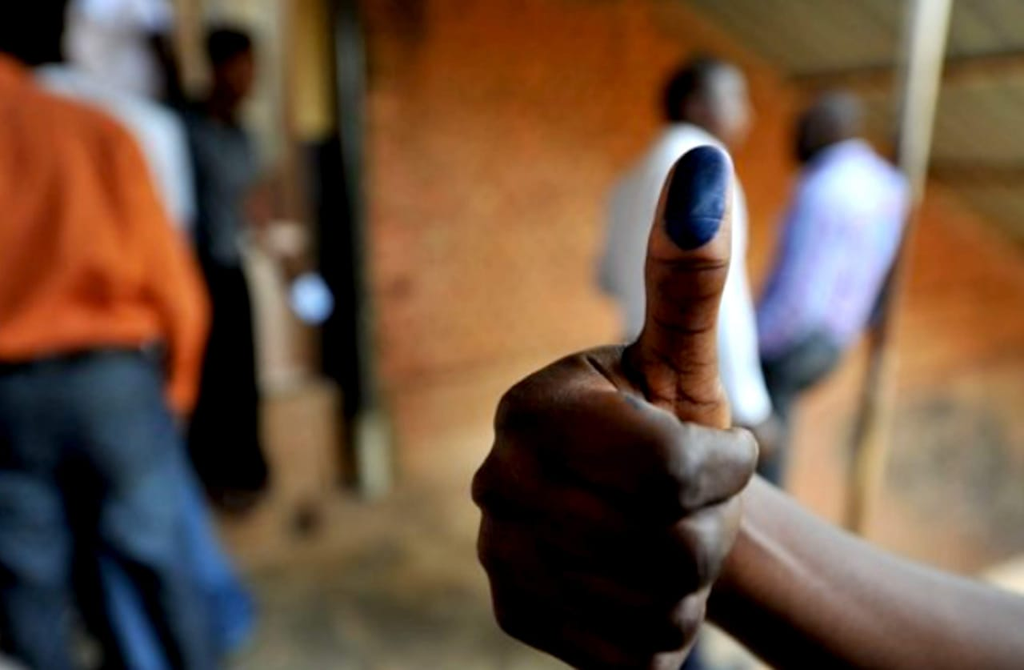












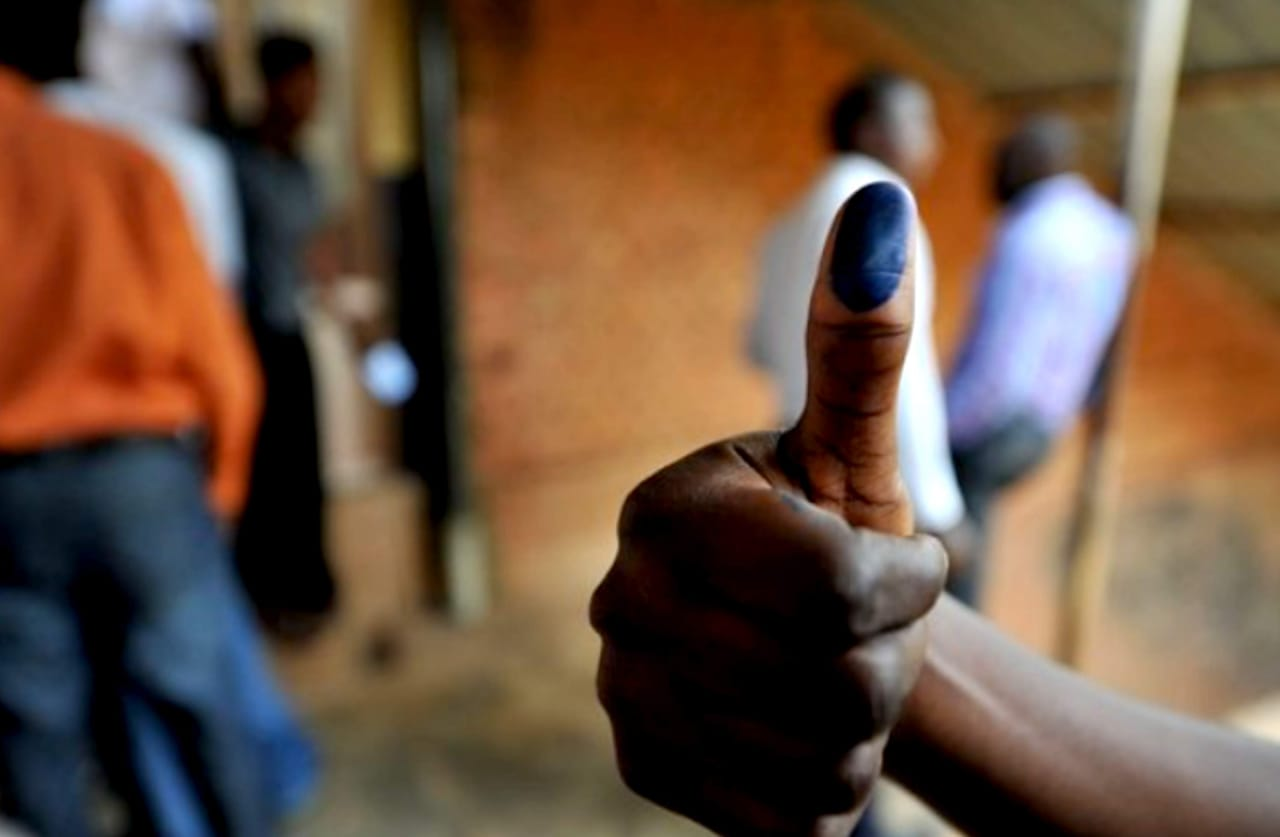
Rwanda has prepared 2,255 polling sites across 2,148 cells for the upcoming local government elections, according to the National Electoral Commission (NEC).

The elections, expected to take place between October and November 2026, will cover decentralized administrative entities and the executive committees of the National Youth Council, the National Women’s Council and the National Council of Persons with Disabilities.
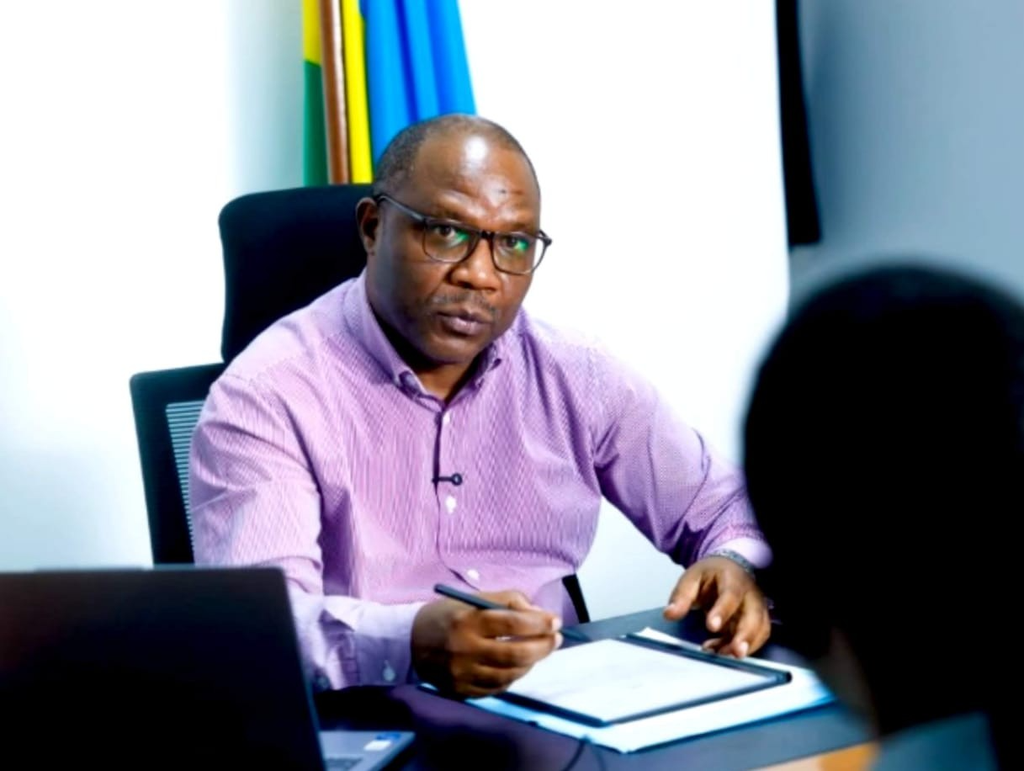
Musabyimana Jean Claude, the Executive Secretary of NEC, told IGIHE in an exclusive interview that the elections will involve citizens at different administrative levels, starting from villages and progressing to the district and national levels for the respective councils.
He said the Commission is encouraging young people, women and persons with disabilities to contest available positions, provided they meet the legal requirements, to address their low representation in some leadership structures.
Elections to Cover Local Government and National Councils
Musabyimana explained that the elections are held every five years, with the current leaders of the National Councils having been elected in 2021.
The process begins at the village level and progresses through cells, sectors and districts. Elections for the National Councils also extend to the national level.
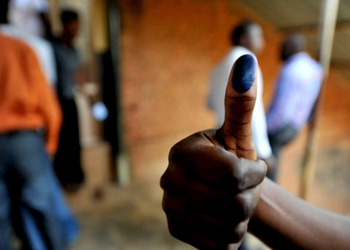
According to Musabyimana, two voting methods will be used. Direct voting allows citizens to choose candidates themselves, while indirect voting involves elected representatives choosing other representatives as the process advances to higher administrative levels.
He added that eligible voters whose names appear on the voters’ register have the right to participate. Unlike some other elections, voters in these local elections can vote where they live or are present on election day, rather than being restricted to the location where they registered.
ALSO READ: https://agaciropress.com/five-countries-account-for-nearly-390-million-of-rwandas-exports/
Marriage Not a Requirement for District Leadership
Musabyimana clarified that being married is not a legal requirement for someone seeking a position in local government leadership.
He said the law does not discriminate against candidates based on their marital status, meaning that single people can also contest the available positions.
The requirements for candidates seeking election to district councils and National Councils, from the district level upward, include Rwandan citizenship, a minimum age of 21, an academic qualification of at least a first university degree (A1) from an authorized institution, and compliance with the other legal requirements governing elections.
ALSO READ: https://agaciropress.com/rwanda-and-kenya-strengthen-cooperation-in-governance-and-public-service/
How Candidates Will Be Selected
The process for selecting candidates will differ depending on the position. At the village, cell and sector levels, candidates do not have to submit formal candidacies. Instead, people may declare their intention to run or be nominated by others during the electoral assembly.
Once the candidates have been identified, voters indicate their support by standing behind their preferred candidates. For district council positions, however, candidates must formally submit their candidacies.
Musabyimana explained that the district council includes eight general councilors and representatives of specific groups, including women, young people, persons with disabilities and the private sector. He also noted that five women councilors are elected to join the other members of the district council.
ALSO READ: https://agaciropress.com/rwanda-elected-to-lead-g77-and-china-in-2027/
More Than 70,000 Volunteers Prepared
NEC has prepared more than 70,000 volunteers to support the electoral process across the country. Musabyimana said the Commission relies on temporary staff and volunteers because its permanent workforce is insufficient to cover all polling locations nationwide.
The volunteers are undergoing pre-election training and will work alongside election officials, staff at provincial level and teams operating in zones comprising three districts. Civic education coordination committees at decentralized administrative levels will also support the process.
Where Voting Will Take Place
Voting will begin at the village level, where residents will cast their ballots at locations where they usually gather for community meetings and other activities.
At the cell level, NEC has identified 2,255 polling sites across 2,148 cells. Some cells have more than one polling site, depending on their size.
At the sector, district and provincial levels, polling locations will be selected from venues where people can gather, including halls.
ALSO READ: https://agaciropress.com/amavubi-could-return-to-fifa-ranking-position-last-reached-in-2017/
Election Observers and Results
Musabyimana said election observers will be allowed to monitor the process. NEC will inform relevant institutions that wish to send observers rather than selecting the observers itself.
He said observers may include representatives of non-governmental organizations and embassies. The announcement of results will depend on the administrative level. At lower levels, such as villages, winners will be announced immediately after voting. At higher levels, where candidates must formally submit their candidacies, NEC will announce the results after the relevant electoral procedures have been completed.
Candidates or other eligible parties dissatisfied with the results may lodge complaints with the head of the polling station. Those who remain dissatisfied can pursue further appeals through the established procedures, potentially involving NEC and the courts.
ALSO READ: https://agaciropress.com/shema-fabrice-resigns-as-ferwafa-president/
NEC Encourages Women, Youth and Persons with Disabilities
Musabyimana called on Rwandans to participate in the elections and encouraged eligible citizens to contest available positions, emphasizing that all leadership roles require capable people.
He particularly encouraged women, young people and persons with disabilities to stand for positions for which they meet the requirements. He also urged voters to consider candidates carefully rather than making decisions based on emotions, saying they should choose leaders capable of representing their interests.