






















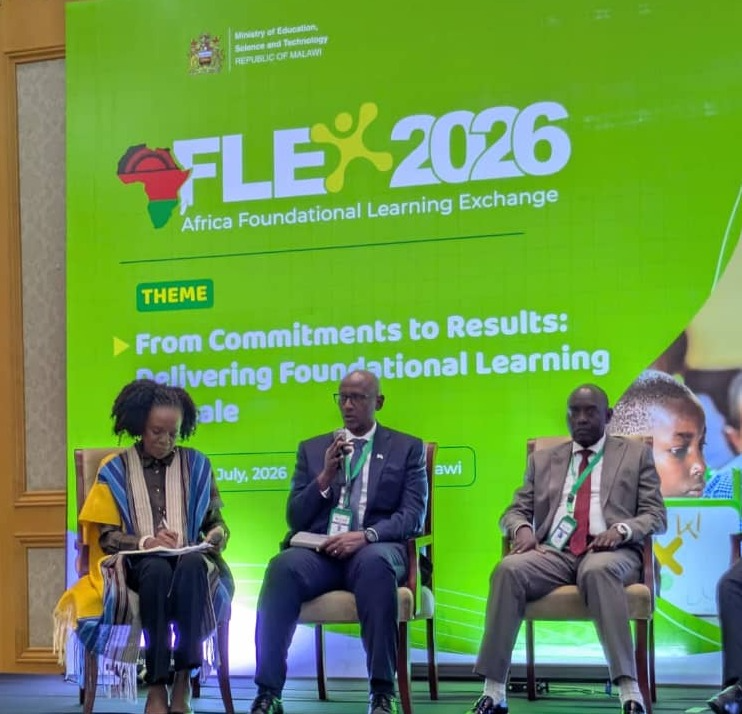
Rwanda has reaffirmed its commitment to ensuring every child has access to quality basic education, with Minister of Education Joseph Nsengimana emphasizing that education remains one of the country’s key pillars for sustainable development.

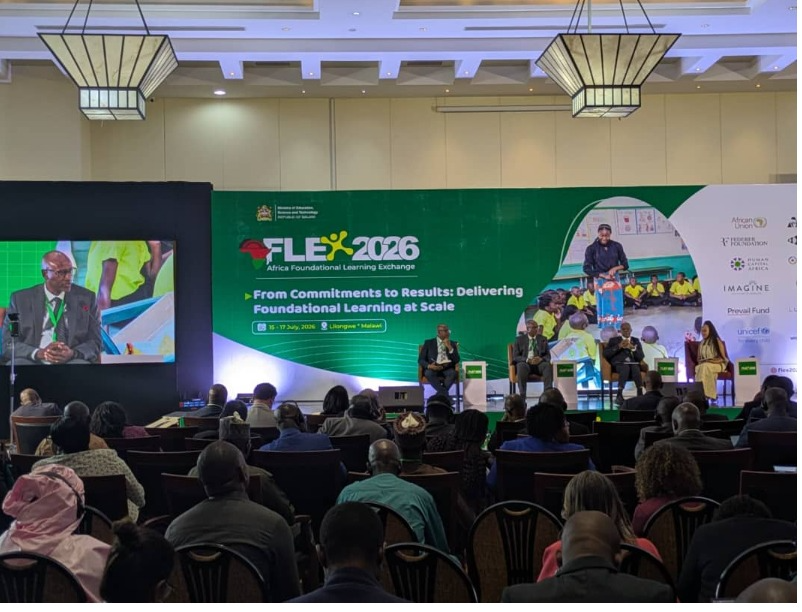
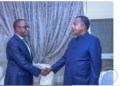
The minister made the remarks during the Cabinet level dialogue that officially launched the African Leaders in Education and Partners in Improving the Quality of Education (FLEX 2026) in Lilongwe, Malawi.
African Leaders Focus on Foundational Learning
Held under the theme “From Commitments to Results: Delivering Foundational Learning at Scale,” the conference has brought together education ministers, policymakers, and development partners from across Africa.
The forum aims to promote collaboration, exchange experiences, and identify practical solutions to improve the quality of foundational education across the continent.
Rwanda Commits to Continued Education Reforms
Addressing fellow African education leaders, Minister Nsengimana said Rwanda will continue investing in education reforms to ensure every child has an equal opportunity to learn, succeed, and reach their full potential.
He stressed that strengthening the education system remains central to Rwanda’s long-term national development agenda.
ALSO READ: https://agaciropress.com/we-will-fight-against-those-who-distort-history-ingangamirwa/
Call for Stronger Regional Partnerships
Nsengimana underscored the importance of stronger cooperation among African countries to improve learning outcomes and equip children with the knowledge and skills needed for the future.
He also called on development partners to align their support with the education priorities identified by individual countries in order to accelerate progress in foundational learning.
Turning Commitments into Results
The minister emphasized that lasting progress in education depends on coordinated efforts between governments and development partners, with children placed at the center of all education reforms.
The FLEX 2026 summit is expected to strengthen regional cooperation and help transform policy commitments into measurable improvements in learning outcomes, ensuring more African children gain access to quality basic education.