
















France’s Court of Cassation has ruled that French soldiers who were part of Opération Turquoise in Rwanda in 1994 should not stand trial over their alleged role during the Genocide against the Tutsi.

On September 9, 2026, the court ruled that the case against the soldiers, who were accused of failing to rescue Tutsi who had sought refuge in the hills of Bisesero in western Rwanda, should be permanently closed.
Human Rights Groups Filed Complaint in 2005
Human rights organizations, including Survie, Ibuka, FIDH, LDH and Licra, together with six Genocide survivors, filed the complaint in 2005 after collecting evidence and testimonies.
The complainants said that soldiers from Opération Turquoise were aware of the killings taking place in Bisesero but stood by and watched. They argued that this resulted in the deaths of many Tutsi between June 27 and 30, 1994, despite the soldiers having the ability to intervene and rescue them.
French Courts Previously Halted Investigation
In 2018, the court ruled that the investigation should be halted. The decision was upheld by the High Court in October 2023 and by the Court of Appeal in December 2024.
The complainants then appealed to the Court of Cassation, the highest court in France, seeking to have the investigation continued.
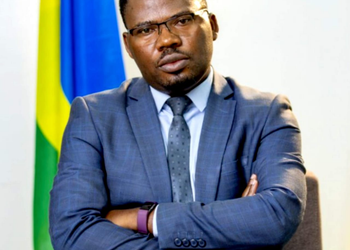
Lawyer Eric Plouvier, who represents the Survie organization, had argued that the decisions by French courts denied justice to those who were killed and those who survived the Bisesero massacres in 1994.
He called for the investigation to continue so that the role of the French soldiers could be established.
Mr. Plouvier said: “The investigation must continue. It is not right for the court to make such a harsh decision to deny justice,” .

Court Says Soldiers Needed Orders
After examining the appeal, the Court of Cassation ruled that the soldiers were not authorized to take action without first receiving orders from their superiors, particularly the French Ministry of Defence.
The court also said there was no evidence showing that the soldiers had intended to support the crimes being committed against Tutsi in Bisesero.
Court Cites Uncertainty and Limited Information
According to the court, the failure to intervene during the three days was linked to continuing uncertainty about what was happening, as well as the soldiers’ limited information about the nature and extent of the Genocide against the Tutsi.
The court further noted that the group of soldiers, commanded by Lieutenant-Colonel Jean-Rémi Duval, had limited manpower. It said intervening could have put the soldiers themselves at risk.
General Lafourcade’s Role Considered
Regarding General (Ret.) Jean-Claude Lafourcade, who commanded Opération Turquoise in 1994, the judges said they believed he had tried to obtain sufficient information in order to decide what his soldiers should do.
The Court of Cassation’s decision brings to an end the long-running legal effort by survivors and human rights organizations to have the role of the French soldiers in the Bisesero events examined at trial.