












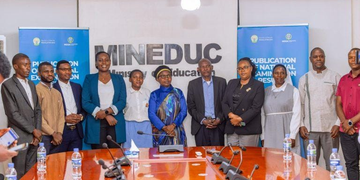














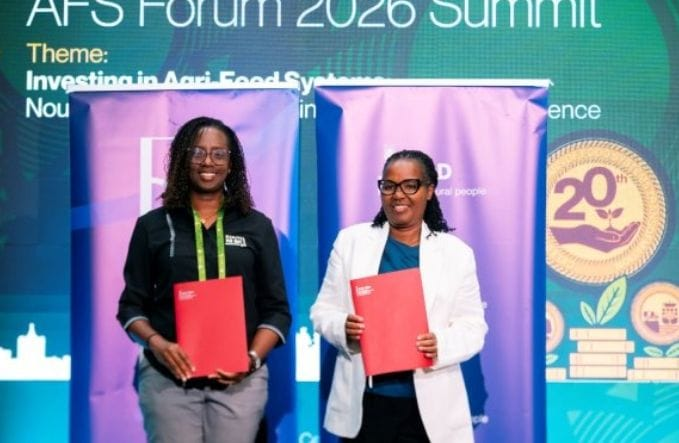
The International Fund for Agricultural Development (IFAD), Bank of Kigali and Aceli Africa have launched a $21 million financing programme to support Rwanda’s farmers, particularly cooperatives and smallholder farmer organizations that face difficulties accessing finance.

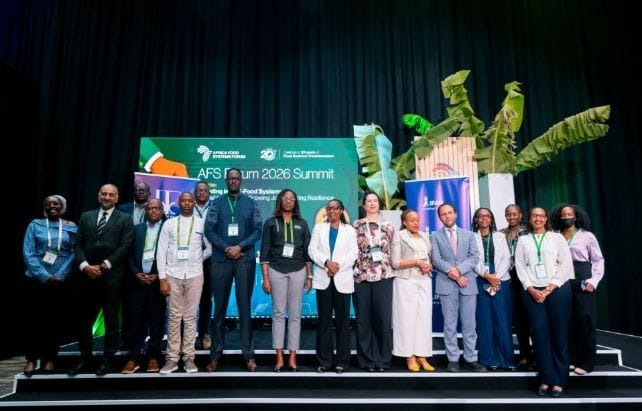
The program, known as the Farmers’ Organizations Financing Program Rwanda (FOFP-R), brings together $12 million from IFAD and $9 million in loans from Bank of Kigali. The agreement was signed on Friday, September 4, 2026, on the sidelines of the Africa Food Systems Forum held in Kigali.
Programme Targets More Than 35,000 Smallholder Farmers
The $21 million financing programme is expected to support up to 215 farmer organizations by strengthening their capacity, while 172 organizations will receive grants or loans.
More than 35,000 smallholder farmers are expected to benefit from the programme, with particular attention given to women and young people.
The program will focus on agricultural value chains involving products such as maize, rice, cassava, dairy products, vegetables and fruits.
IFAD Seeks New Ways to Finance Agriculture
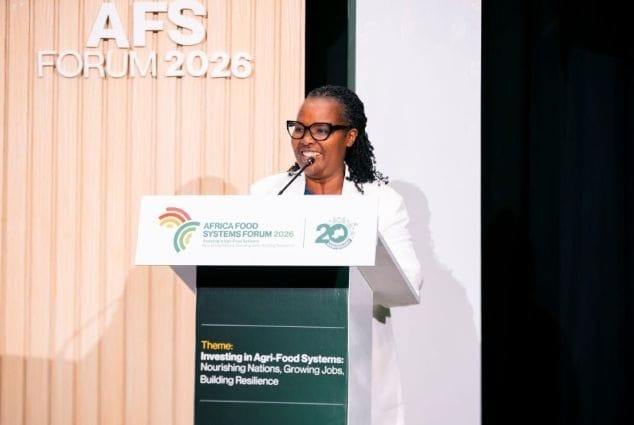
IFAD Vice President Dr Gérardine Mukeshimana said the programme represents a shift towards developing innovative ways of financing agriculture. “The importance of the Farmers’ Organizations Financing Programme-Rwanda demonstrates a major shift towards finding innovative solutions for financing agriculture. Innovation is not only about technology; it also involves finance, institutions, partnerships and entrepreneurship,” she said.
Dr Mukeshimana explained that FOFP-R is expected to reduce the risks associated with agricultural investment, attract additional investors and expand opportunities for rural businesses, farmer organizations and smallholder farmers.
ALSO READ: https://agaciropress.com/rwandas-top-artists-welcome-guests-at-gorilla-naming-ceremony-in-musanze/
Agriculture Remains a Major Part of Rwanda’s Economy
Agriculture provides employment to more than 70% of Rwanda’s population and contributes nearly 25% of the country’s gross domestic product.
However, access to finance remains one of the major challenges facing the sector. Agricultural lending remains relatively low compared with the overall volume of loans provided by financial institutions.
Farmer organizations play an important role in bringing farmers together, helping them access agricultural inputs and markets, and connecting them with financial institutions.
Despite their importance, IFAD estimates that nearly 70% of the financing required by farmer organizations remains unmet.
Why Farmers Struggle to Access Finance
Several factors make it difficult for farmer organizations to obtain loans. These include insufficient collateral, inadequate financial records and limited financial management skills.
Such challenges can make financial institutions view agricultural lending as relatively high-risk, limiting the amount of financing available to farmers and agricultural businesses.
The new program is therefore designed not only to provide capital but also to strengthen the organizations receiving the financing so that they can become more capable of managing funds and operating sustainable businesses.
Bank of Kigali to Combine Financing With Technical Support
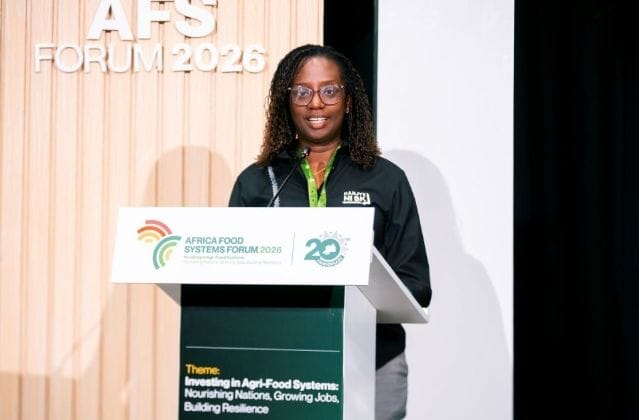
Bank of Kigali Chief Executive Officer Dr Diane Karusisi said the partnership with IFAD will combine financing with technical assistance to strengthen farmer organizations. “Farmer organizations are a pillar of Rwanda’s agriculture-based economy, but for a long time they have not been adequately reached by conventional lending mechanisms.”
Dr Karusisi added that Bank of Kigali will provide innovative and inclusive financial solutions to farmer organizations that need them most.
The support will combine capital with technical assistance to help organizations improve their governance, financial management and ability to use technology.
How the IFAD Funding Will Be Used
Of the $12 million committed by IFAD, $9 million will be provided as loans, while $1.8 million will be provided as a risk-sharing grant to reduce potential risks associated with lending.
Another $1.2 million will be used for technical assistance. The technical assistance will help farmer organizations improve their governance, financial management and technological capacity. It will also help Bank of Kigali develop the tools and expertise needed to provide sustainable financial services to farmer organizations.
Additional $6 Million Through BIFT
The programme has also received $6 million through the Business Investment Financing Track (BIFT), which channels financing through the Global Agriculture and Food Security Program (GAFSP).
BIFT provides concessional financing and grants to international development organizations supporting innovative financing solutions for smallholder farmers and early-stage agricultural and agribusiness enterprises.
GAFSP Head Shobha Shetty said the financing mechanism would help expand access to capital within Rwanda’s agriculture and food sector.
“This innovative financing approach through BIFT will help build a more inclusive financial market in Rwanda. It will enable some of the most underserved actors in the agriculture and food sector, including smallholder farmers, women and young people, to make investments that can transform their future,” she said.
Programme Expected to Strengthen Rural Businesses
Beyond providing loans and grants, the $21 million financing programme is expected to help farmer organizations become stronger and more financially sustainable.
By improving governance, financial management and access to technology, the programme aims to enable farmer organizations to manage larger investments, expand their activities and create stronger links with markets.
It is also expected to reduce some of the risks that have traditionally discouraged financial institutions from lending to agricultural organizations.
ALSO READ: https://agaciropress.com/tricks-youth-are-using-in-sexual-relationships-to-avoid-responsibility/
Supporting Women and Young People
Women and young people are among the groups expected to benefit significantly from the programme.
Greater access to finance could allow them to invest in farming, agricultural processing and other businesses linked to food production and agricultural value chains.
The programme therefore seeks not only to increase agricultural financing but also to create opportunities for rural communities to improve their incomes and participate more actively in Rwanda’s economic development.
ALSO READ: https://agaciropress.com/nyaruguru-youth-urged-to-choose-productive-lives-over-drugs/
Government and International Partners Join Efforts
The programme is being financed through IFAD’s private-sector financing facility, with additional support from the Global Agriculture and Food Security Program and the Government of Canada.
The partnership between IFAD, Bank of Kigali and other organizations demonstrates an effort to address one of the longstanding challenges in Rwanda’s agricultural sector: limited access to affordable and appropriate financing for farmer organizations and smallholder farmers.
Through the $21 million financing programme, the partners aim to strengthen agricultural businesses, improve farmers’ access to capital and contribute to the development of a more inclusive and sustainable agriculture and food system in Rwanda.