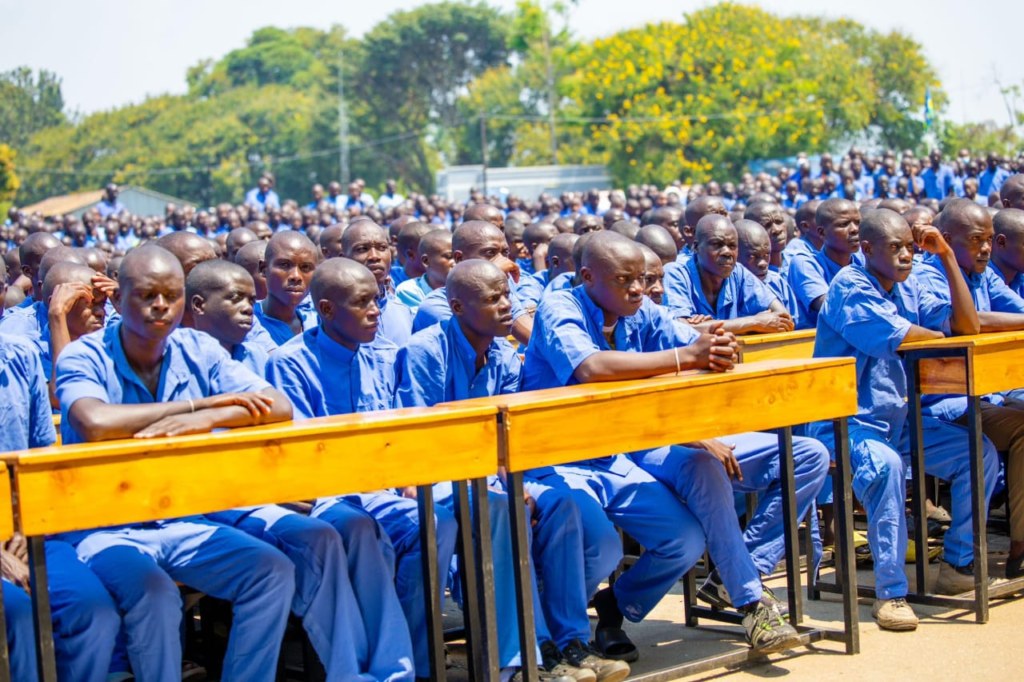










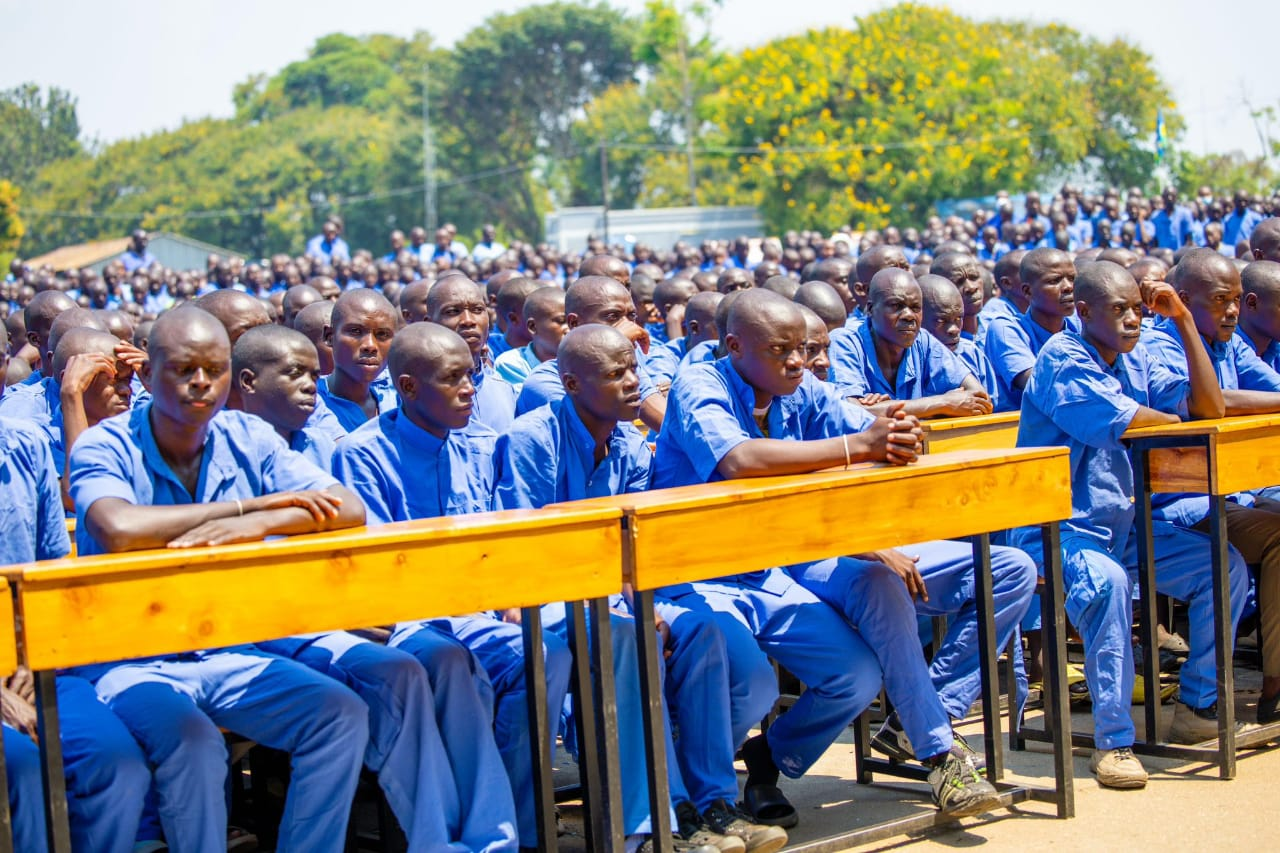
A total of 2,001 young people have completed their rehabilitation programme at the Iwawa Rehabilitation Centre, located on Iwawa Island in Rutsiro District, after spending more than a year receiving training designed to transform their mindset and behaviour while equipping them with vocational and life skills.

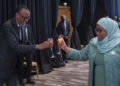
The graduation ceremony was presided over by the Minister of Local Government, Dominique Habimana, alongside the Inspector General of Police (IGP), CG Félix Namuhoranye, the Director General of the National Rehabilitation Service (NRS), Fred Mufulukye, the Governor of Western Province, Jean Bosco Ntibitura, and other officials.
Rehabilitation Focused on Behaviour Change and Skills Development
The graduates had previously been involved in activities that disrupted public order and safety, including violence, delinquency, theft, and drug abuse. After completing the programme, they testified that they had understood the consequences of their actions and embraced a new path, describing their transformation as moving “from Saul to Paul.”
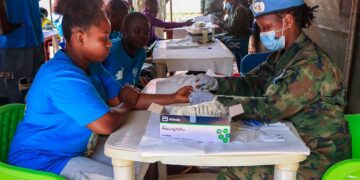
During the year-long programme, participants received civic education, lessons on Rwandan cultural values, discipline, integrity, and decision-making. They also undertook vocational training in carpentry, masonry, mechanics, modern agriculture, tailoring, road safety, and driving.
Practical Training Helped Graduates Earn Income
Beyond classroom learning, the trainees were given opportunities to apply their newly acquired skills in income-generating activities.
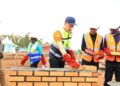
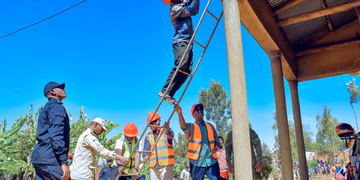
Some participated in constructing infrastructure at the rehabilitation centre, including kitchens, toilets, and bathrooms, and were compensated for their work in the same way as regular workers.
Leaders Urge Graduates to Build Better Futures
Minister Habimana reminded the graduates that the country had given them a second chance because it believes in their potential to make meaningful contributions to society.
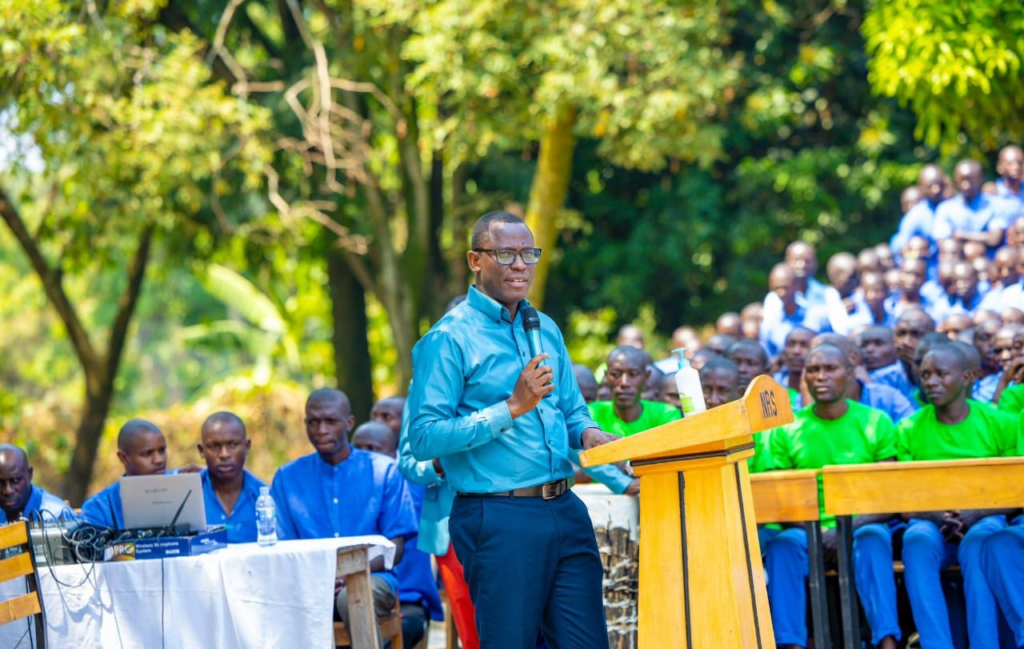
He said: “The skills you have learned should be put into practice to improve your lives, your families, and the nation. You have strength, and you must use it to build a better future,”
He assured them that government institutions would continue supporting them after leaving the centre by helping them access employment opportunities and government programmes, while encouraging them to avoid returning to harmful behaviours.
IGP Namuhoranye told the graduates that overcoming bad habits is the most difficult step, but once achieved, the journey becomes easier. He pledged that the Rwanda National Police would continue supporting them as they reintegrate into society, while cautioning them against relapse.
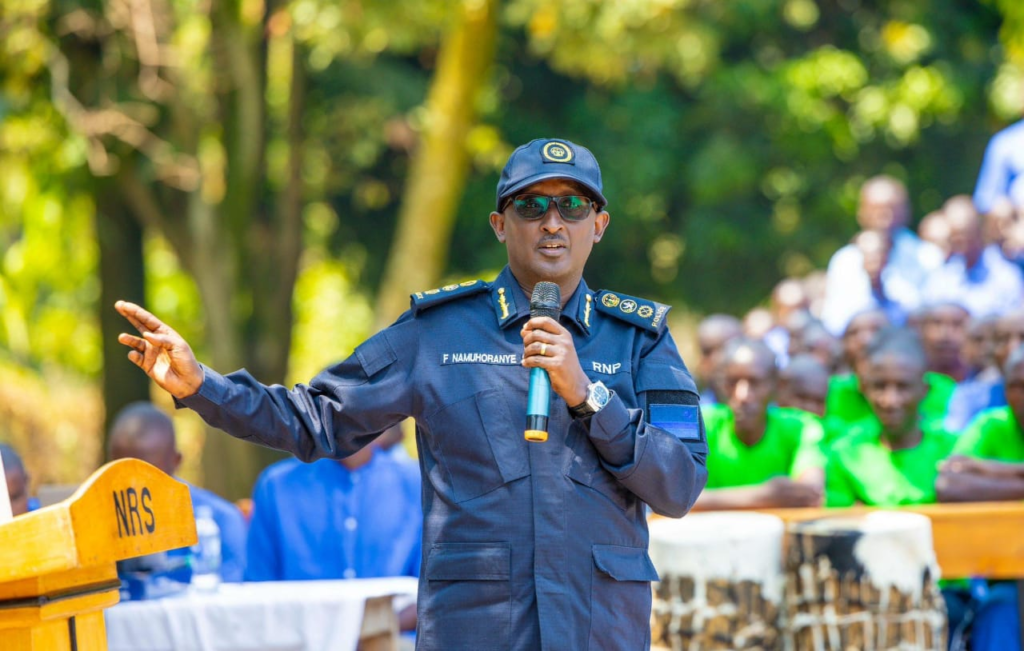
He said: “The values and discipline you learned here must now be applied outside. That is where we will see if you truly understood them,”
He also noted that authorities remain committed to eliminating harmful drinks and illegal substances, calling on the graduates to support those efforts.
Iwawa Continues to Play Key Role in National Rehabilitation
One graduate, Nayituriki Jacques, shared how rehabilitation helped him overcome drug abuse and encouraged fellow graduates to resist temptation after leaving the centre by relying on the values and vocational skills they had acquired.
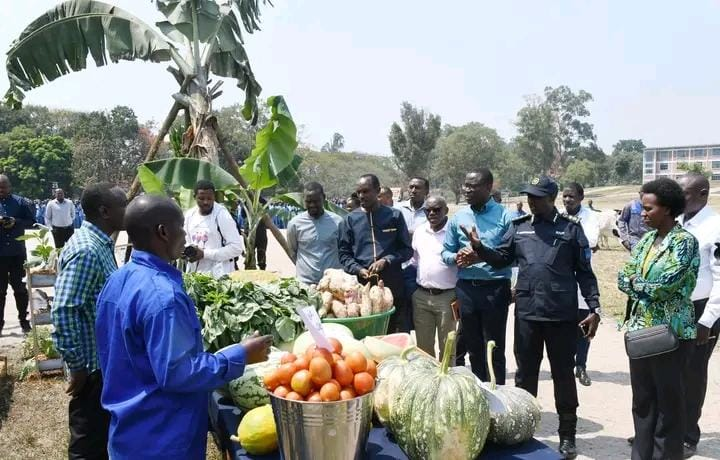
The Iwawa Rehabilitation Centre currently accommodates about 50% of all rehabilitees nationwide, while similar centres across the country host more than 8,317 individuals. According to available statistics, 95% of those undergoing rehabilitation had previously been involved in drug abuse and excessive alcohol consumption.