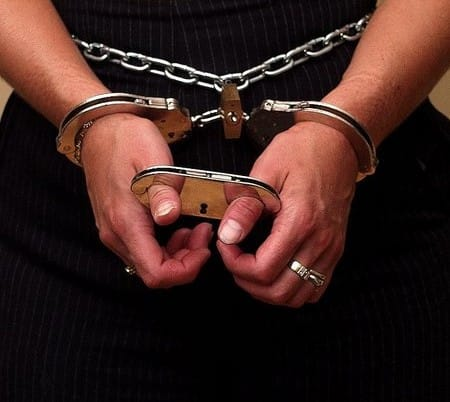
































RDF, RNP, RCS, RIB, NISS among other security agencies use handcuffs to restrain people arrested or detained to prevent escape. But where did handcuffs originate? Before metal handcuffs existed, what was used? These are the questions this story answers.

The history of handcuffs, or devices used to prevent a person from moving freely once captured, begins in ancient times and continues into modern technology. Over time, they evolved to increase security, ease of use, and better respect for the rights and physical integrity of detainees.
ALSO READ: https://agaciropress.com/coach-kanyankore-gilbert-yaounde-passes-away/
Early Forms of Handcuffs in Ancient Civilizations
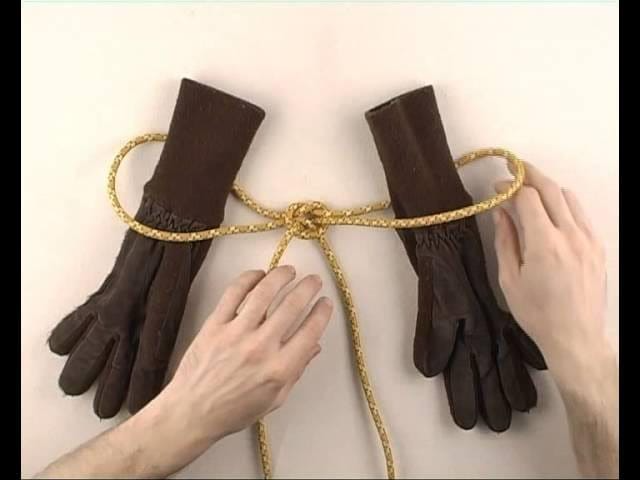
In ancient times, before the handcuffs we know today existed, Romans and Greeks used different materials to restrain prisoners of war, including strong ropes made from plants such as vines, or animal hides. These were tied around the wrists and ankles.
Handcuffs made of iron with a ratchet locking system began to appear during the Industrial Revolution, created to deal with rising urban crime and to ease prisoner transport. From then on, handcuffs became a primary tool used by law enforcement worldwide.
During the Bronze and Iron Ages, craftsmen began forging iron restraints that could be reused many times. The first mention of handcuffs appears in the writings of Roman poet Virgil around 70 B.C.
Handcuffs began to be used by soldiers in the 4th century B.C., when Greek soldiers, after winning a battle, found large stocks of handcuffs in Carthaginian chariots. These were used to bind prisoners of war, and the Greeks adopted them.
Thumb cuffs, which restrained only the thumbs, were often used by prison guards. If the prisoner tried to escape, they could cause serious injuries.
ALSO READ: https://agaciropress.com/minister-dr-biruta-urges-rcs-to-maximise-idle-assets/
The Evolution of Modern Handcuffs
As industry expanded, the Hiatt Handcuff Company, one of the first to manufacture handcuffs on a large scale, was founded in England in 1780.
In the early 19th century, heavy iron handcuffs known as Darby were commonly used. They required a special key to lock and unlock.
Adjustable ratchet handcuffs were first made in 1862. American inventor W.V. Adams received a patent for handcuffs with an adjustable mechanism, making them easier to use and adaptable to different wrist sizes.
In 1912, another American, George Carney, patented the “swing-cuff,” which allowed police officers to apply handcuffs with one hand.
During the modernization of handcuffs, Carney’s patent was purchased by Peerless Handcuff Company, which greatly changed how police used them.
In the 19th century, as modern police forces such as Scotland Yard in England and the French gendarmerie were established, handcuffs began to be standardized and widely used across countries.
The handcuffs most commonly known today, fastening both wrists, began to be used in 1926 when Paris police officer Albert Massenot patented a new design that locked with a key and held wrists securely. They became known as “Massenottes.”
Later, handcuffs were improved, made of strong but lighter metals, and equipped with a double-lock system to prevent over-tightening and injury. Modern handcuffs are designed to be durable, secure, and difficult to break, with their use regulated by national laws and guidelines.
Introduction of Handcuffs in Rwanda
In Rwanda, handcuffs were introduced during colonial times in the late 19th century by German authorities, later continued under Belgian rule. Before that, prisoners were restrained with ropes made from local plants or natural fibers.