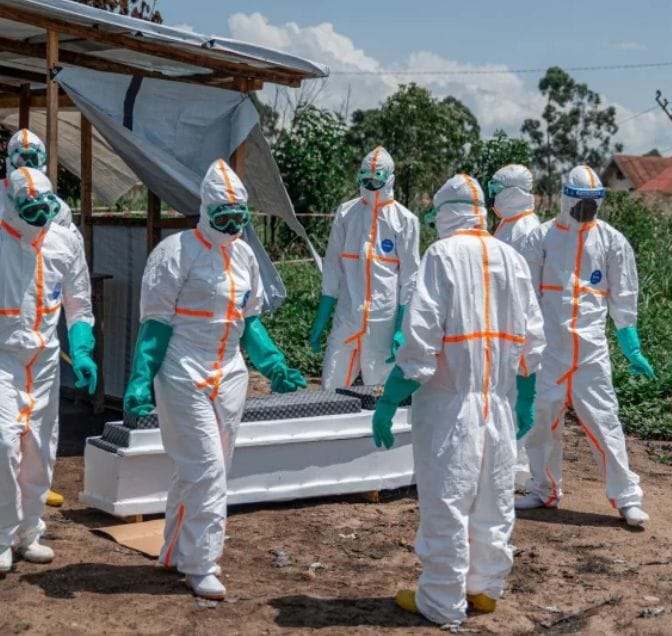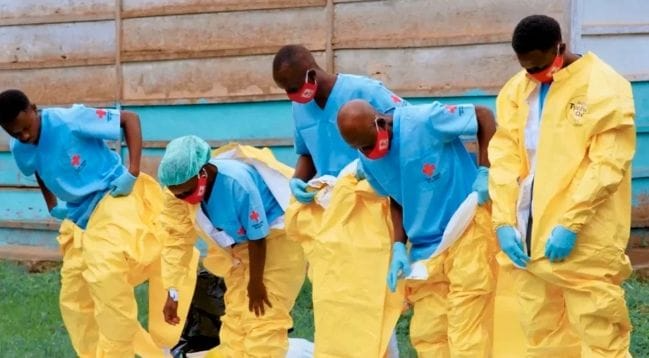




















The Bundibugyo strain of Ebola continues to spread rapidly across the Democratic Republic of Congo (DRC), with new infections and deaths increasing despite government efforts to contain the outbreak.

More Than 2,100 Cases and 864 Deaths Confirmed
According to the DRC Ministry of Health, as of July 17, 2026, the country had recorded 2,181 confirmed Ebola cases, including 864 deaths and 412 recoveries.
The outbreak remains most severe in Ituri Province, which is considered the epicentre of the epidemic, while new infections continue to be reported in North Kivu, Tshopo, and Haut-Uélé provinces.
Ituri Records Highest Number of New Infections
Ituri Province reported 44 new cases within the past 24 hours, although health authorities also confirmed that 20 additional patients recovered during the same period.
In North Kivu, eight new cases were recorded, with health officials continuing contact tracing efforts, which currently stand at 87%. The disease remains concentrated in Butembo, Katwa, Beni, and Kyondo.
WHO Calls for Stronger Response
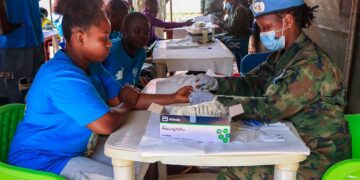
The World Health Organization (WHO) has warned that the outbreak is placing enormous pressure on healthcare workers and emergency responders, calling for intensified efforts to contain the virus.
According to WHO, many people still do not fully understand the seriousness of Ebola. As a result, some patients choose to remain at home instead of seeking medical treatment, while others have resisted health workers attempting to monitor them and trace their contacts.
Actual Number of Cases May Be Much Higher
Health experts fear that the true scale of the outbreak could be two to four times higher than the officially reported figures.
In Bunia, the capital of Ituri Province, health authorities say one out of every two people tested is found to be infected, highlighting the severity of the outbreak and raising concerns that many cases remain undetected.