


























Rwanda’s unemployment rate stood at 13.4% in May 2026, remaining unchanged compared with the same period in 2025, according to the latest employment and unemployment report released by the National Institute of Statistics of Rwanda (NISR).

The report shows that Rwanda’s working-age population, which includes people aged 16 and above, has reached 8.7 million people. Among them, 4.7 million are currently employed, while 729,000 people are unemployed but actively searching for jobs.
A total of 5.4 million people are part of the labour force, representing 62.1% of the working-age population.
Women and Youth Face Higher Unemployment Rates
The report highlights continued differences in employment opportunities between men and women.
In May 2026, the unemployment rate among women stood at 15.5%, compared with 11.6% among men. This means that women experienced an unemployment rate 3.9 percentage points higher than men.
Young people also remain among the groups facing greater challenges in accessing employment opportunities. According to NISR, individuals aged between 16 and 30 recorded an unemployment rate of 15.7%.
The employment-to-population ratio among young people aged 16 to 30 was 49.6%, compared with 56.9% among people aged between 31 and 54.
Services Sector Remains Largest Employer
The NISR data shows that the services sector continues to provide the largest share of employment in Rwanda.
Among employed people, 44.7% work in services, while agriculture employs 39.1% of workers. The industry sector accounts for 16.2% of total employment.
The figures reflect Rwanda’s ongoing economic transformation, with increasing emphasis on expanding service-based industries while maintaining agriculture as an important source of employment.
Investment Expected to Create More Jobs
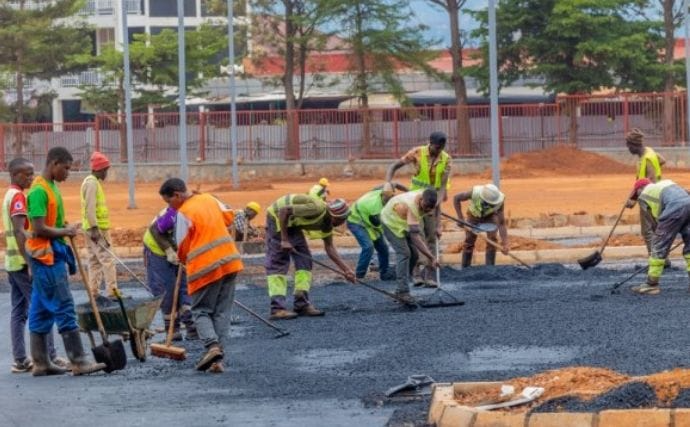
Between 2024 and June 2026, Rwanda registered private investment projects worth nearly $8 billion, which are expected to generate approximately 118,000 employment opportunities.
The government has continued to promote investment, entrepreneurship, skills development, and industrial growth as strategies to address unemployment.
In 2025 alone, Rwanda created more than 240,000 non-agricultural jobs, reflecting continued efforts to expand employment opportunities outside traditional agricultural activities.
Despite progress in job creation, the latest figures show that unemployment, particularly among women and young people, remains a key challenge requiring continued investment in skills development, private sector growth, and inclusive employment policies.