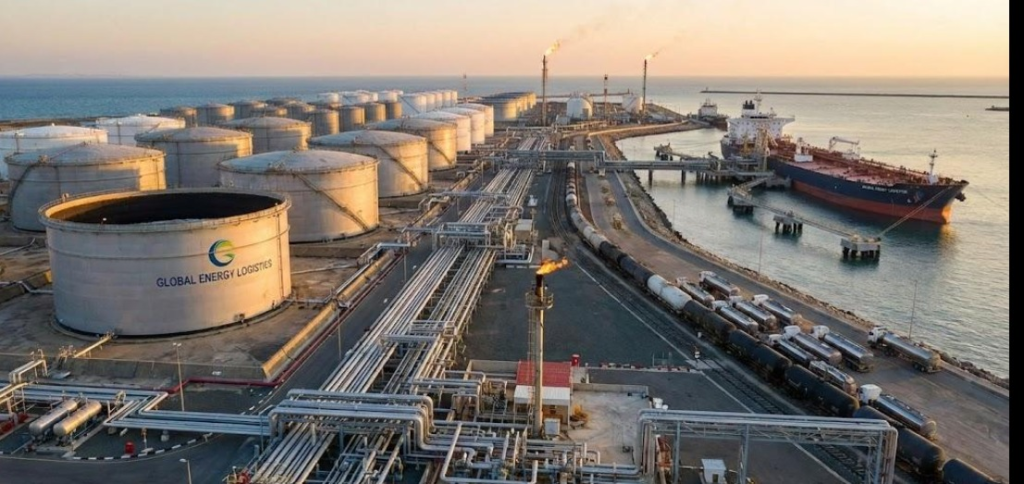































Oil prices have fallen back to levels seen before the outbreak of conflict between the United States and Iran, following a temporary ceasefire reached on June 17, 2026. On June 25, 2026, crude oil prices dropped to $72.48 per barrel on international markets, marking the largest decline since the conflict began four months ago.

ALSO READ: https://agaciropress.com/parliament-approves-rwf-7-8-trillion-national-budget-for-2026-2027/
Strait of Hormuz Closure Triggered Price Surge
The conflict began in February when the United States and Israel launched military operations against Iran.
In response, Tehran closed the Strait of Hormuz, a critical maritime route through which approximately 20% of the world’s oil supply passes to international markets.
The closure sent shockwaves through global energy markets, driving crude oil prices above $120 per barrel and significantly increasing transportation and travel costs worldwide.
Reopening of Shipping Route Boosts Confidence
Market sentiment improved after the United States and Iran agreed to a 60-day arrangement that facilitated the resumption of maritime traffic through the Strait of Hormuz.
According to the Kpler Institute, which monitors global shipping activity, 284 vessels carrying oil, natural gas and fertilizers have passed through the strategic waterway since the agreement was reached.
The return of commercial shipping has eased concerns over supply disruptions and strengthened confidence among energy traders.
ALSO READ: https://agaciropress.com/mukansanga-salima-fifa-u-20-womens-world-cup/
Qatar and Pakistan Support Stability Efforts
Qatar and Pakistan are reportedly working closely with both Washington and Tehran to ensure the uninterrupted movement of vessels through the Strait of Hormuz.
Their diplomatic efforts are aimed at preventing further tensions that could threaten one of the world’s most important energy corridors.
Increased Oil Supply Pushes Prices Lower
The resumption of shipping activity has increased the flow of oil to global markets, helping to ease supply concerns and drive prices downward.
Analysts say the recovery of maritime traffic through the Strait of Hormuz has played a major role in stabilizing energy markets after months of uncertainty.
Consumers Begin to Benefit from Falling Fuel Costs
The decline in crude oil prices is already being felt by consumers in several countries.
In the United States, for example, the price of a 3.8 liter gallon of gasoline fell from $4 in April to $3.93 following the easing of tensions and the return of oil shipments through the Strait of Hormuz.
The development has raised hopes that transportation and energy costs could continue to decline if stability in the region is maintained.