















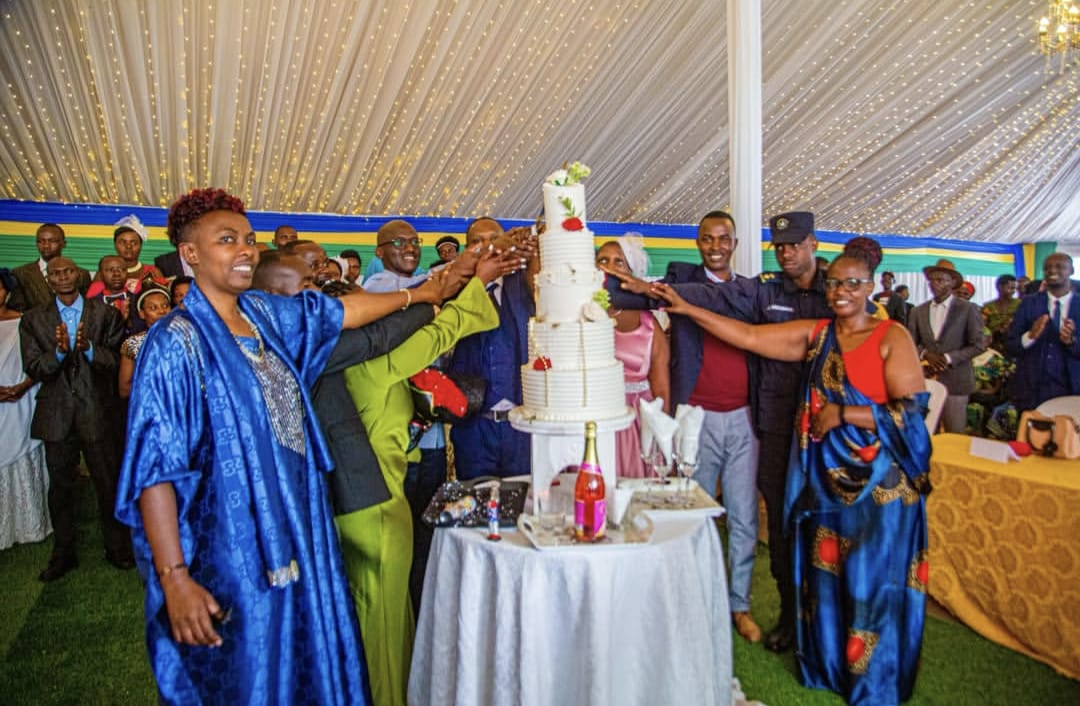
In Kayonza District, local authorities worked to solve family conflicts caused by poverty and misunderstandings. They organized a multi-day campaign to teach citizens how to live peacefully, respect each other, and promote gender equality. The campaign helped families understand their roles, communicate better, and find practical solutions to their problems.

ALSO READ: RSSB Tigers BBC Gear Up for BAL6 with Government Support
127 Families Rebuild Their Lives
During the campaign, authorities identified 127 families facing conflicts. They provided counseling, guidance, and support to help these families rebuild their homes based on respect and cooperation. As a result, many families learned new ways to manage disagreements and strengthen their relationships.
Unmarried Couples Legally Wedded
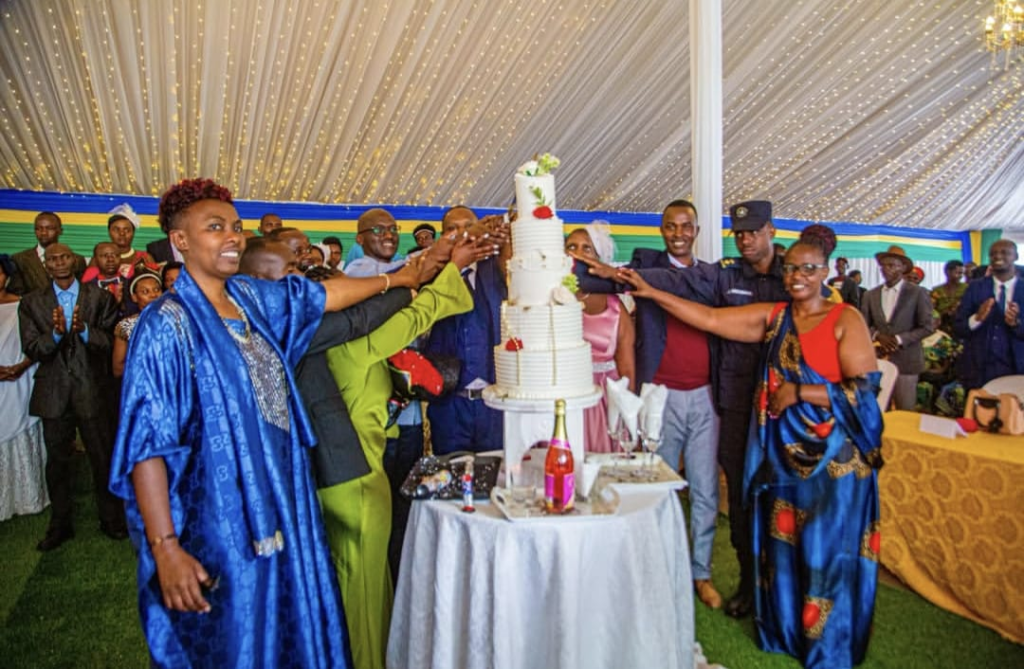
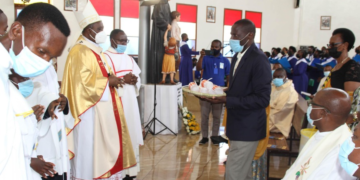
On March 24, the campaign officially ended in Kabarondo Sector. During the closing ceremony, 15 couples who had been living together without legal marriage were officially wedded.
Officials also guided them on how to create strong homes based on legal frameworks and family values. This step ensures that these couples can raise children in secure and recognized households.
Vulnerable Families Receive Support
The campaign provided practical help to vulnerable families. Fifteen households received basic items and food to rebuild their lives. Additionally, 90 families received small livestock, including chickens and goats. These resources give families income opportunities and help improve their long-term development.
Promoting Cooperation and Gender Equality
Authorities emphasized that strong families are the foundation of national development. They explained that when family members respect and support each other, they can prevent conflicts and improve living standards.
Beneficiaries expressed happiness, saying that the campaign gave them knowledge to raise children properly and create secure, peaceful homes.
This initiative supports the Rwandan government’s policy on citizens’ welfare. It strengthens family security, promotes gender equality, and helps build sustainable communities.