



























The National Agricultural Export Development Board (NAEB) has announced that agricultural and livestock products generated more than $1.1 billion in revenue for Rwanda during the 2025/26 financial year, representing a 24.3% increase compared with the previous financial year.

This marks a historic milestone in Rwanda’s agricultural and livestock export sector, highlighting the country’s efforts to strengthen the sector, build resilience and expand international markets.
Strong Growth Over Three Years
In 2023/24, agricultural and livestock products generated $839.21 million, while $893 million was generated in 2024/25. In 2025/26, the figure surpassed $1.1 billion.
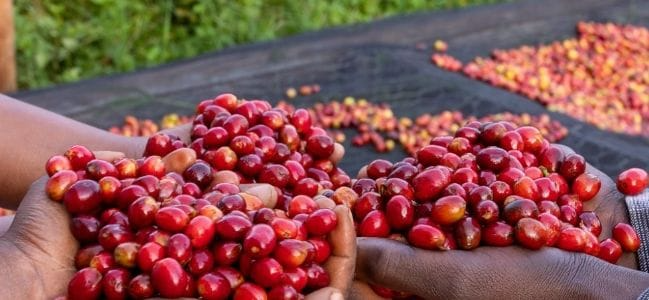
During the 2025/26 financial year, coffee, tea and pyrethrum generated $264,884,174, while flowers, fruits and vegetables generated $86,826,687. Livestock products generated $204,786,640, while other agricultural and livestock-related products generated $554,284,484.
ALSO READ: https://agaciropress.com/how-habyarimana-joined-the-genocide-plot-from-his-youth/
Expanding International Markets
Rwanda exports agricultural and livestock products to markets including the United Arab Emirates, Qatar, China and other countries in Asia, the United States, Europe and various African countries.
NAEB Director General Claude Bizimana told IGIHE that the milestone is one of the results of the Rwandan Government’s continued efforts to strengthen agricultural and livestock exports.
Government Efforts Driving Growth
he said: “Generating about $1.1 billion for the first time in history demonstrates the efforts the country continues to invest in developing the agricultural and livestock products sector and expanding international markets.”
The achievement comes as Rwanda seeks to increase the contribution of agriculture to the country’s economic development by boosting production, establishing systems and infrastructure to ensure the quality of exports, and meeting international quality standards.
Infrastructure Supporting Export Development
Bizimana said surpassing $1.1 billion in export revenues comes at a time when the Rwandan Government continues to invest in infrastructure to help the sector overcome various challenges.
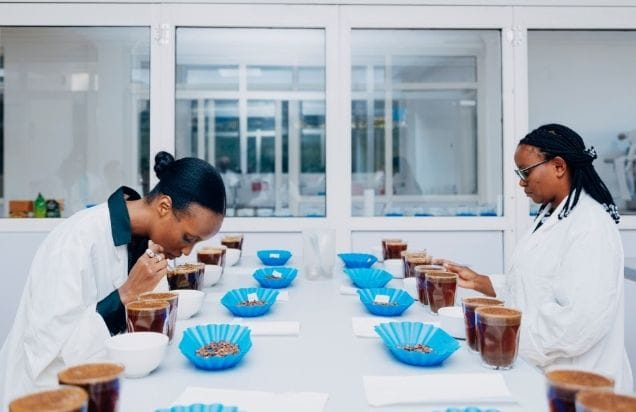
: he said: “Through NAEB, the Rwandan Government has established various facilities, including coffee and tea processing and testing facilities, as well as facilities for testing other agricultural products. These facilities help preserve the quality of products before they are exported, including sorting and storage facilities.”
ALSO READ: https://agaciropress.com/uganda-mysterious-illness-kills-four-people-authorities-in-rakai-district/
Internationally Recognized Quality Standards
Rwanda currently has a laboratory established at NAEB that has received international accreditation, making its testing results internationally recognized and trusted.
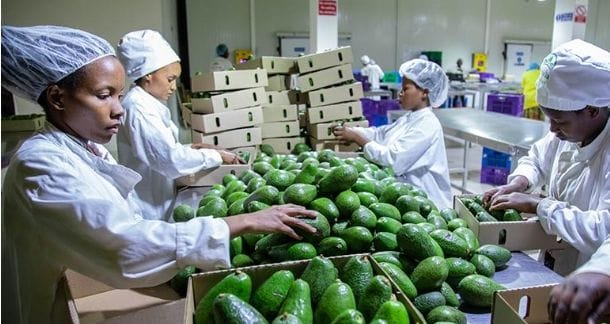
There are also facilities for sorting and storing coffee, as well as facilities for processing and cold storage of fruits and vegetables.
One of the key requirements of international markets for agricultural and livestock products is high quality and traceability.
NAEB says systems have been established to ensure quality and enable international buyers to access the information they need about products exported from Rwanda.
Promoting Rwandan Products Globally
The Rwandan Government supports the promotion of agricultural and livestock products exported by Rwanda through international trade fairs held around the world, as well as by connecting exporters with buyers through NAEB.
To promote innovation and expand markets, NAEB has also introduced the annual Best of Rwanda coffee competition. The country’s top-performing coffees are sold through auctions, increasing their value, expanding markets and enhancing farmers’ earning potential.
To speed up service delivery, NAEB says many of its services are now provided digitally, helping exporters conduct their businesses more efficiently.
Increasing Production and Farmers’ Capacity
One of the strategies aimed at increasing foreign exchange earnings from agricultural and livestock products is to ensure higher production and better quality.
Bizimana emphasized that various programs and projects have been introduced, including helping farmers access quality seedlings that are resilient to climate change, providing farmers with technical support and conducting awareness campaigns aimed at increasing production.
Targeting $1.5 Billion by 2029
Rwanda continues to work towards achieving the objectives of the Second National Strategy for Transformation (NST2) and the Fifth Strategic Plan for the Transformation of Agriculture (PSTA5).
NAEB says it continues to work with all partners to increase foreign exchange earnings from agricultural and livestock products and expand international markets.
Rwanda expects agricultural and livestock products to generate $1.5 billion by 2029.