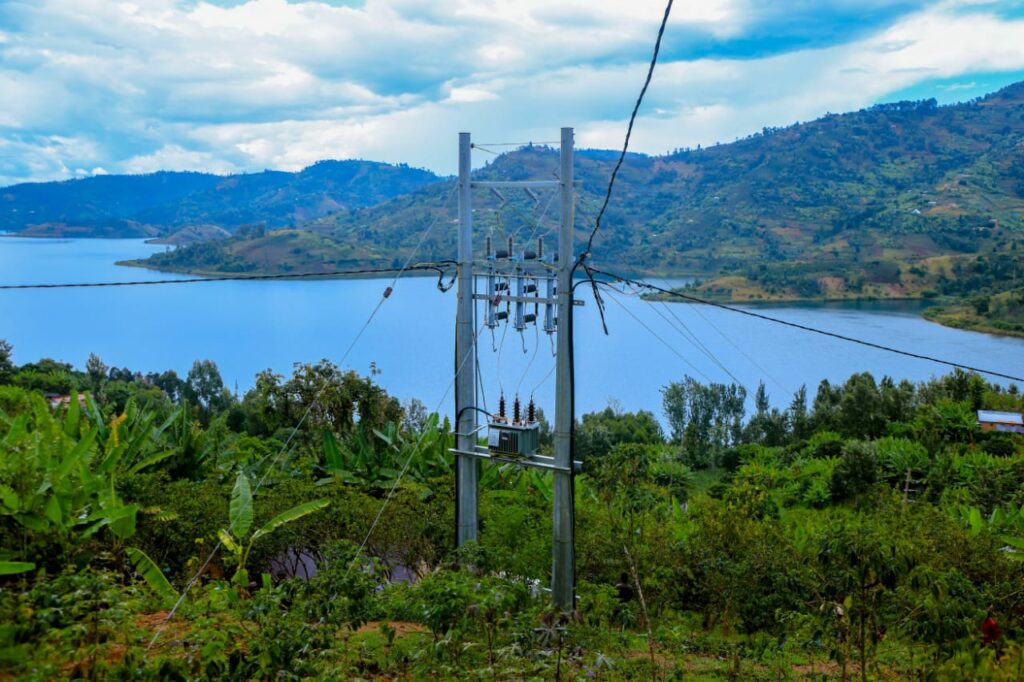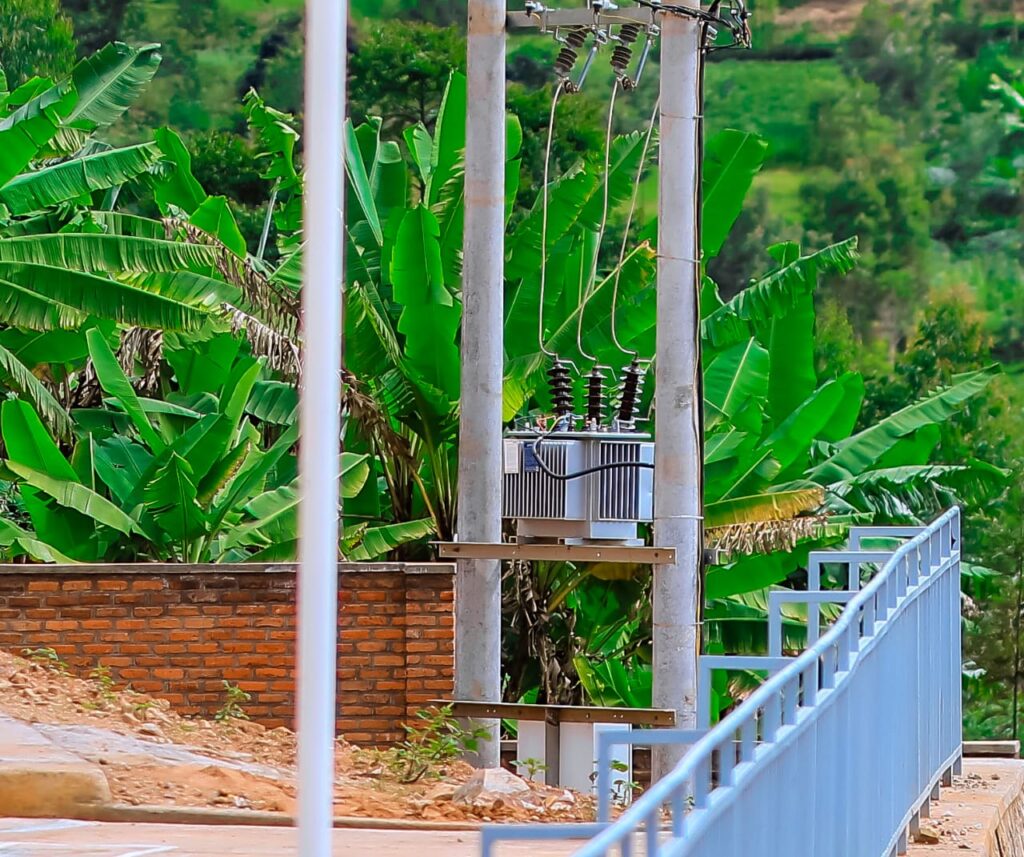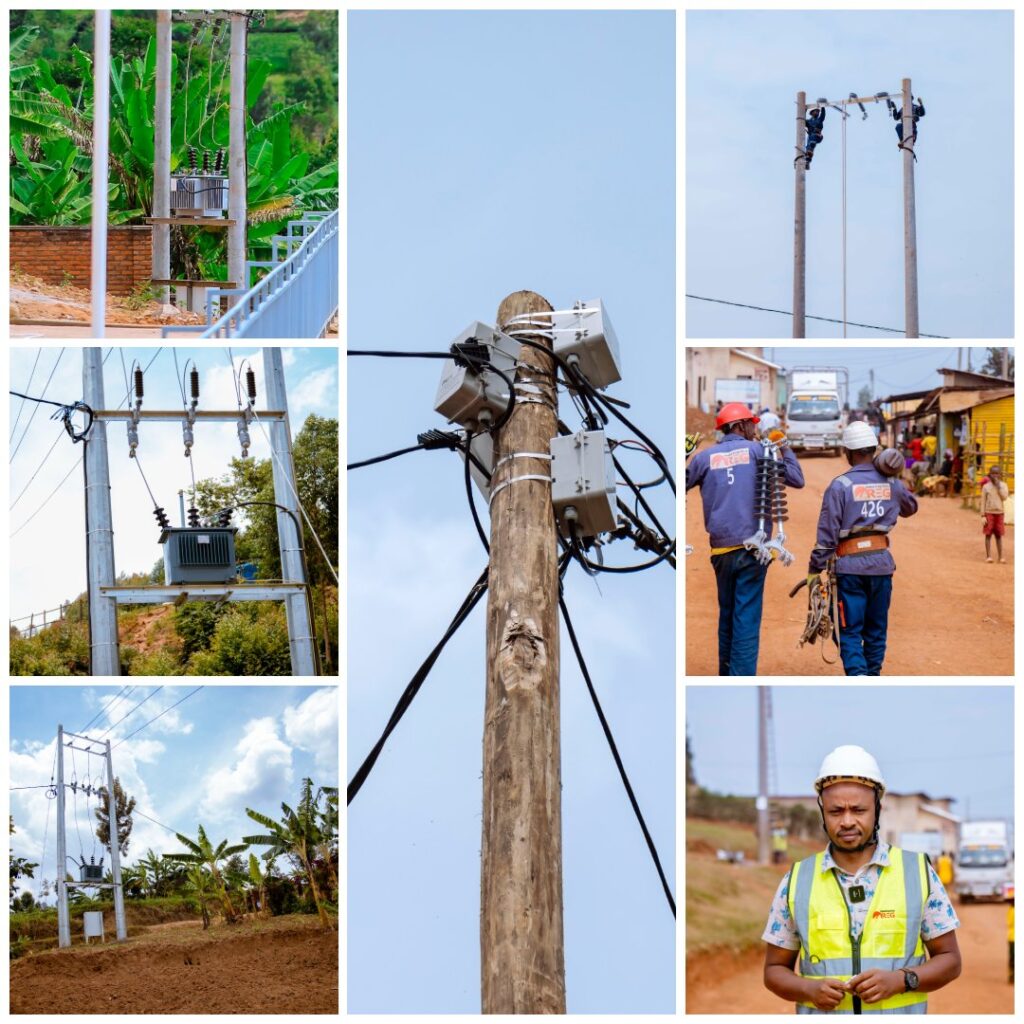






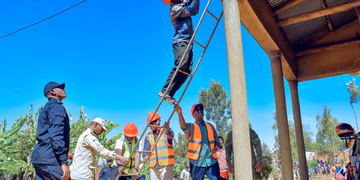












The Ministry of Infrastructure announced that Rwanda has delivered electricity to more than 2,133 cells out of the 2,148 it has across the country. This significant progress means that currently, only 15 cells remain without power.

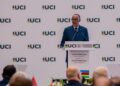
Minister of Infrastructure, Dr. Jimmy Gasore, revealed these details during an interview with National Television. He focused on Rwanda’s target that by 2029 all citizens will have access to both water and electricity. Dr. Gasore explained that the Rwanda electricity access 2029 goal is realistic, and current progress shows strong promise.
READ ALSO: President Kagame hosts Togo President Gnassingbé for bilateral talks in Kigali
Progress and confidence in the Rwanda electricity access 2029 goal
Dr. Gasore explained that this target has been under implementation for two years as part of the country’s National Strategy for Transformation (NST2), and there is solid confidence in its success.
“We have reached 84% electricity coverage for households, and nearly all villages have power 99% with only 15 cells remaining. Projects to electrify those cells are already underway.” He stated.
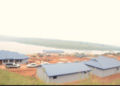
He added that Rwanda has about 3,000 residential sites, which align with the number of cells. Once all are electrified, every designated settlement area will have electricity.
READ ALSO: President Kagame and IFAD President discuss agricultural development in Nairobi
Strategic project categories for the Rwanda electricity access 2029 goal
The Minister outlined four main categories of projects designed to reach this milestone. These include extending electricity directly to households, building new distribution networks, and expanding existing networks.
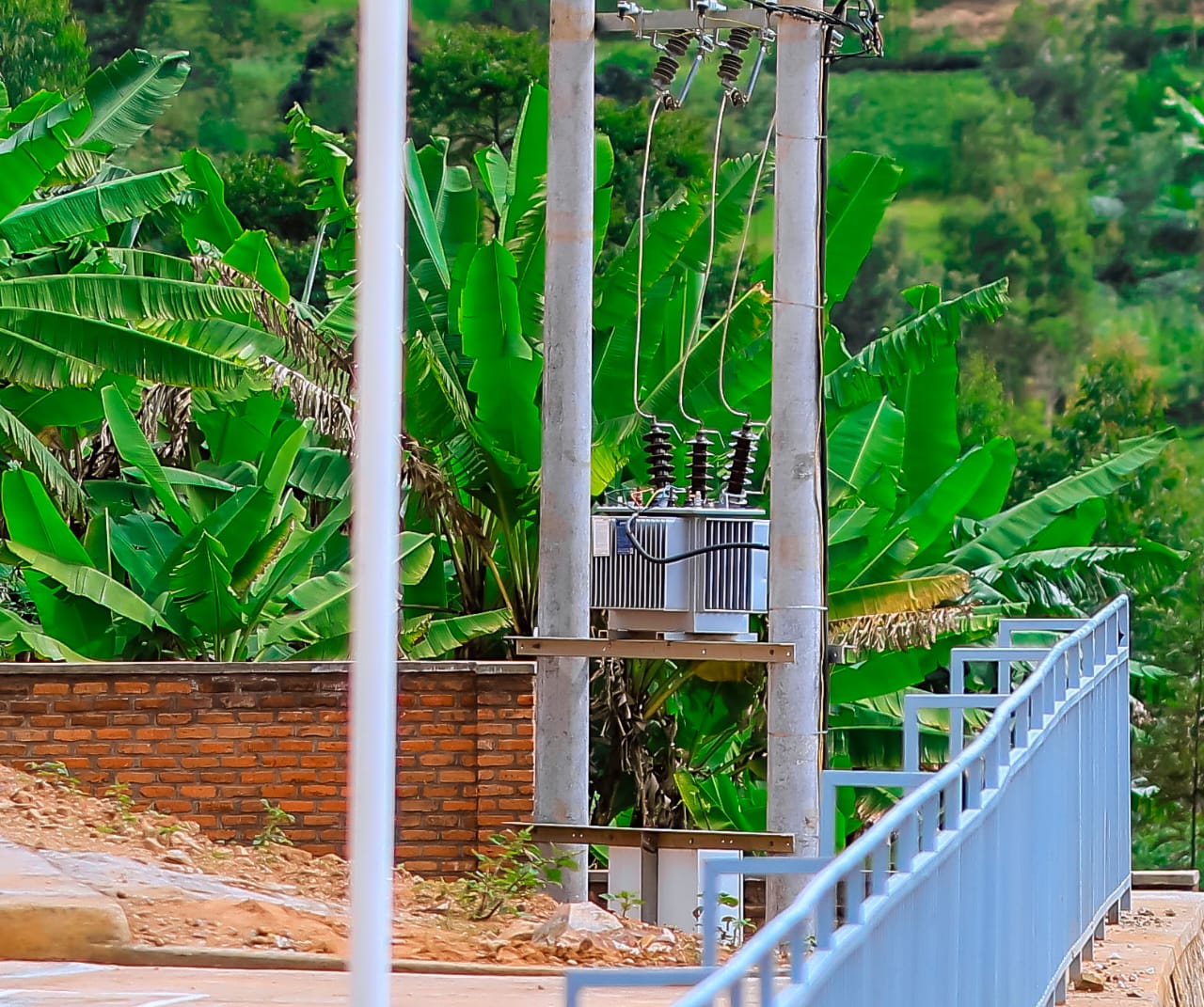
As part of this expansion, the government is replacing 440 transformers in Kigali this year with higher capacity ones. Additionally, efforts are underway to increase generation capacity to ensure a sufficient supply for all users. Dr. Jimy Gasore stated that “By the end of 2029, all citizens will have reliable and sufficient electricity.”
Recent milestones include a project completed in April that connected 190,000 households across 10 districts. Another ongoing project will connect 190,000 new households in Musanze, Ngororero, Rubavu, Nyabihu, and Rusizi districts.
A separate project will connect 32,000 households in districts such as Ruhango, Nyanza, Huye, Gisagara, Bugesera, Rwamagana, Kirehe, Ngoma, Gatsibo, Nyagatare, and Kayonza.
Additionally, a major project will connect 450,000 new households, with 400,000 joining the national grid and 50,000 receiving off-grid solar systems. Another tender is currently underway to electrify 200,000 more households.
READ ALSO: Rwanda and Central African Republic expand bilateral defense ties
Future settlement plans and the Rwanda electricity access 2029 goal
For off-grid households, Dr. Gasore explained these are located in areas not designated for permanent settlement, such as agricultural or forest zones. Instead of extending the grid there, residents are provided with solar systems until relocation plans are implemented.
He emphasized that electricity projects also target infrastructure like industries, schools, and health centers, not just households. Future plans include agreements to add 200 megawatts of solar power, hydropower from new dams, and floating solar panels on lakes.
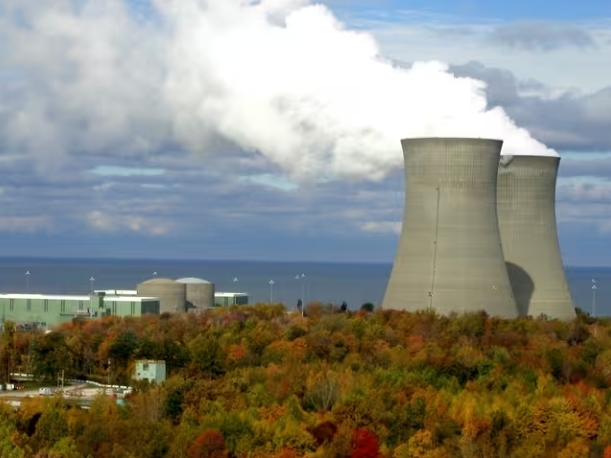
Rwanda is also strengthening cross-border electricity trade with Uganda, Tanzania, and Burundi to ensure a backup supply during outages. Long-term plans even consider nuclear energy, though those will come after 2029. Dr. Gasore concluded that electrification is being guided by Rwanda’s settlement and land-use plans, which have already been approved in nearly all districts.
READ ALSO: Rwand Housing Authority sets a two months deadline to complete Huye Stadium renovations