






















The global debate on slavery has gained renewed attention in 2026 following a United Nations resolution recognising the trafficking of Africans and racially motivated slavery as one of the gravest crimes against humanity. The development has also revived questions about why Rwanda did not become a major centre of the slave trade.

ALSO READ: https://agaciropress.com/kenya-two-farmers-arrested-over-suspected-poisoning-of-elephants/
UN Recognises Slave Trade as a Grave Crime Against Humanity
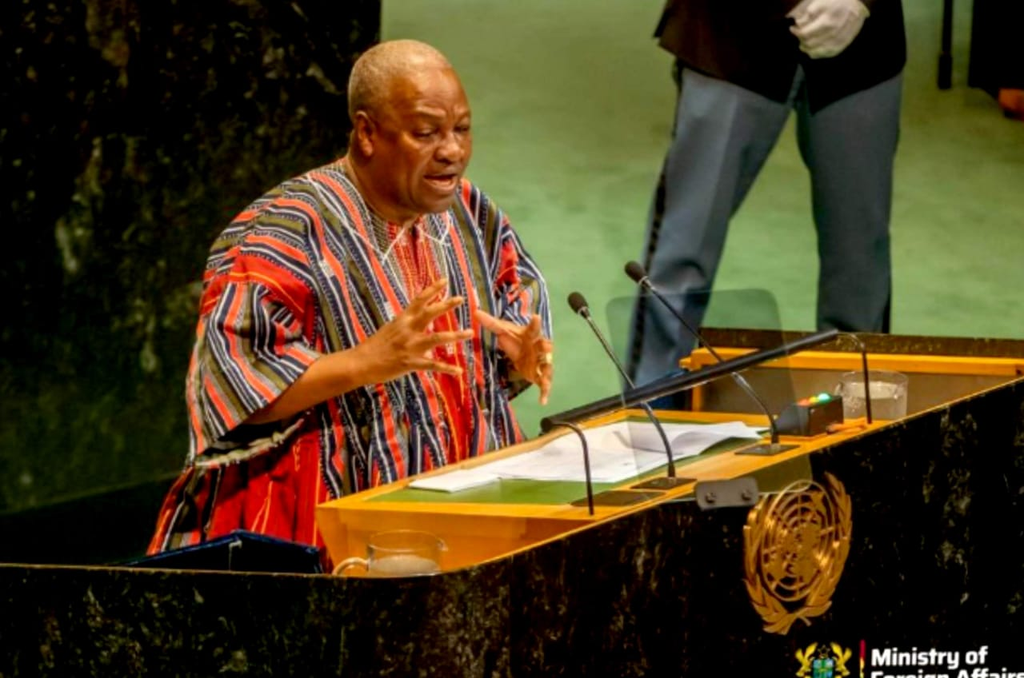
On March 25, 2026, the United Nations General Assembly adopted Resolution A/80/L.48, recognising the trafficking of Africans who were deprived of their rights and subjected to racially motivated slavery as one of the gravest crimes committed against humanity.
The resolution was adopted with 123 countries voting in favour, three against and 52 abstaining. Rwanda was among the countries that supported it.
Ghana led the initiative with the support of the African Union, arguing that slavery should not be treated simply as a historical event but that attention should also be given to the lasting consequences of the slave trade.
The initiative has also renewed discussions about reparations, apologies and justice for the descendants of enslaved Africans.
ALSO READ: https://agaciropress.com/rwanda-drc-and-burundi-discuss-reparations-for-belgian-colonial-damage/
Ghana Pushes for Reparations and Justice
During a conference held in Accra in June 2026, leaders, historians, human rights activists and representatives of Africans living abroad discussed the legacy of slavery.
Participants called for the development of a programme aimed at addressing the damage caused by the slave trade and its lasting consequences.
The renewed debate comes as countries across Africa continue to examine how the legacy of slavery and colonialism has shaped their societies.
August 23 Marks the International Day for the Remembrance of the Slave Trade
Every year on August 23, the world observes the International Day for the Remembrance of the Slave Trade and its Abolition.
UNESCO established the day to commemorate the uprising that began on the night of August 22–23, 1791, in Saint-Domingue, now Haiti.
The uprising was led by enslaved people who resisted French colonial rule and oppression. It became an important turning point in the struggle against the transatlantic slave trade and slavery.
UNESCO says the day provides an opportunity to preserve the memory of the slave trade and examine its causes, the methods used to carry it out and its consequences for Africa, Europe, the Americas and the Caribbean.
ALSO READ: https://agaciropress.com/ruhango-dispute-erupts-between-residents-and-sand-miners-over-land/
How Did the Slave Trade Begin?
Slavery existed in different forms in parts of Africa before the transatlantic slave trade. Some people became enslaved after being captured during wars, because of debts or after being handed over by their families.
However, the discovery and colonisation of the Americas led to the development of a much larger international slave-trading system.
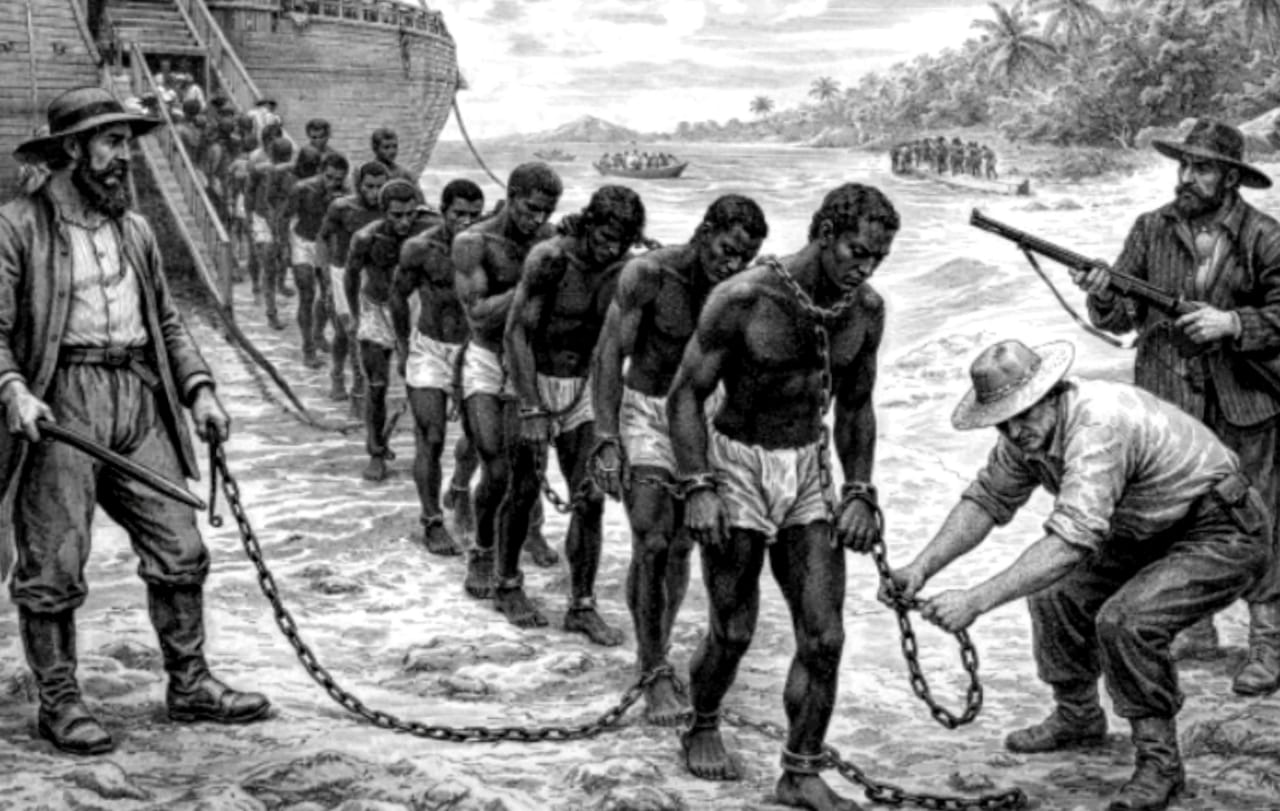
European powers sought large numbers of workers for mines and plantations in the Americas. Africans were captured and forcibly transported across the Atlantic in what became known as the Transatlantic Slave Trade.
Historical research estimates that between the 16th and 19th centuries, approximately 10 to 12 million Africans were forcibly transported to the Americas.
Africa Suffered Devastating Consequences
The slave trade had severe consequences for many parts of Africa, particularly West, Central and East Africa.
Countries and regions including Senegal, The Gambia, Guinea, Sierra Leone, Liberia, Côte d’Ivoire, Ghana, Togo, Benin and Nigeria were heavily affected.
In Central Africa, areas corresponding to present-day Democratic Republic of Congo, Angola and Gabon were also affected.
In East Africa, Tanzania, Mozambique, Kenya and Somalia became important centres and routes for the Indian Ocean slave trade, through which enslaved people were transported to the Middle East, India and other regions.
The trade formed part of an international commercial system. Manufactured goods and textiles were transported from Europe to Africa, enslaved Africans were transported to the Americas, and products such as sugar and coffee were then transported from the Americas to Europe.
Enslaved Africans Endured Severe Conditions
People taken into slavery experienced extremely harsh conditions.
Many died during forced journeys because of disease, hunger, violence and overcrowding aboard slave ships. Some of the ships were described as “floating graves.”
Resistance to slavery emerged in different forms, including revolts by enslaved people, campaigns by abolitionists and political movements.
The 1791 uprising in Saint-Domingue was one of the major turning points. It eventually contributed to Haiti becoming independent in 1804 and strengthened international opposition to slavery.
Different countries later abolished the slave trade and slavery. Britain abolished the slave trade in 1807, while slavery was abolished in most parts of the British Empire in 1834. The United States abolished slavery in 1865 following the Civil War.
Why Did Rwanda Not Become a Major Slave-Trade Centre?
While many parts of Africa experienced large-scale slave trading, Rwanda did not become a major centre of the international slave trade.
Several factors contributed to this.
Rwanda’s geographical location, including its distance from the coast, made it more difficult for foreign slave traders to establish the same type of trading networks that developed in coastal areas.
Historical accounts also indicate that Rwanda was relatively protected and difficult for outsiders to penetrate before the arrival of European colonial powers.
This was different from coastal areas such as present-day Tanzania, where Arab traders had established strong trading networks.
ALSO READ: https://agaciropress.com/rwanda-over-371000-students-pass-2025-26-national-examinations/
King Rwabugili Opposed Slave Traders
During the reign of King Kigeli IV Rwabugili in the 1870s, Rwanda took measures against slave traders operating in the region.
The king reportedly deployed forces to confront people involved in capturing and forcibly transporting others.
Historical accounts state that when traders asked King Rwabugili to provide Rwandans for sale, he reportedly responded that the people did not belong to him to be sold; instead, he belonged to them.
Historian Innocent Nizeyimana previously told IGIHE that Rwandans had a strong understanding of the value and dignity of human beings, which contributed to the country’s opposition to human trafficking.
ALSO READ: https://agaciropress.com/what-to-know-about-rwandas-anti-corruption-law/
Rwanda’s History of Slavery Is Still Debated
However, Rwanda’s history should not be presented as completely free from all forms of slavery.
Historians and researchers have different views on the issue. Some argue that Rwanda did not experience large-scale slave trading comparable to what occurred in Tanzania, the Congo region and West Africa.
Other research indicates that forms of slavery existed in parts of Rwanda, including the capture and sale of children and women and the use of some people in forced labour.
The important distinction is that Rwanda did not become a major centre of the international slave trade.
Its geographical position, lack of access to the sea and policies of the Rwandan monarchy limited the ability of foreign slave traders to establish large-scale operations within the country.