


























Higher Education Council, in partnership with the Ministry of Education, has continued its nationwide assessment of universities and higher learning institutions to evaluate the quality of education offered and identify challenges affecting the sector.

ALSO READ: https://agaciropress.com/posthumous-sperm-donation-infertility-study/
High Level Discussions at Université Libre de Kigali (ULK)
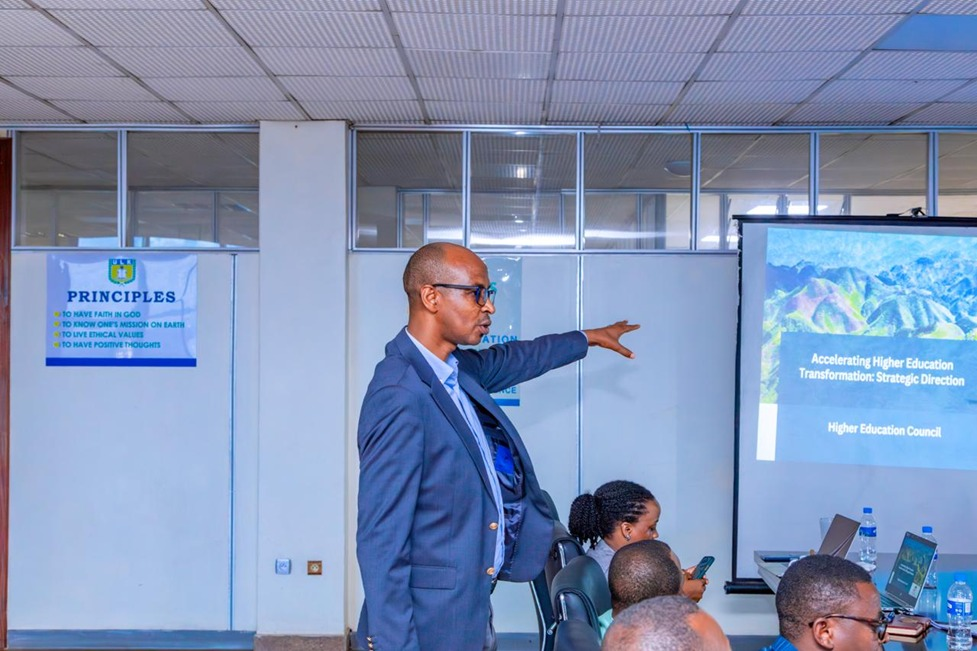
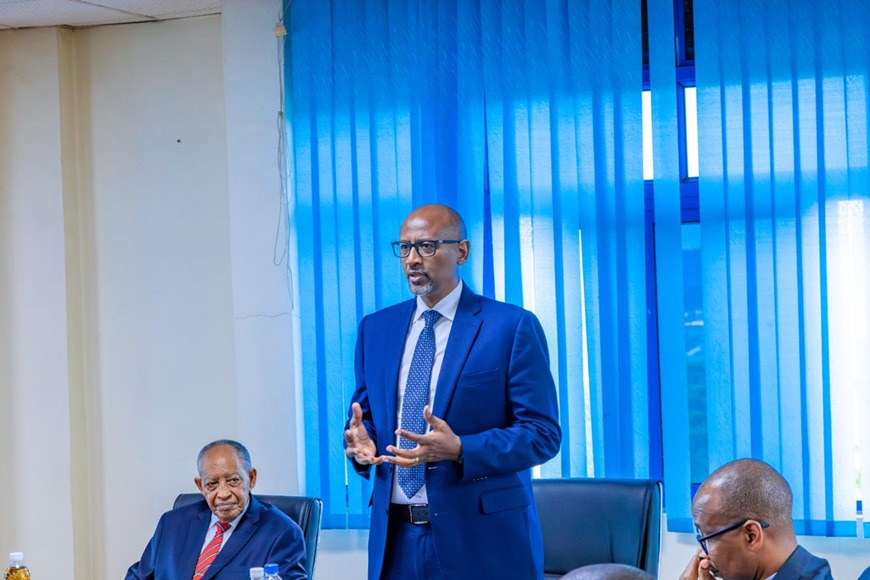
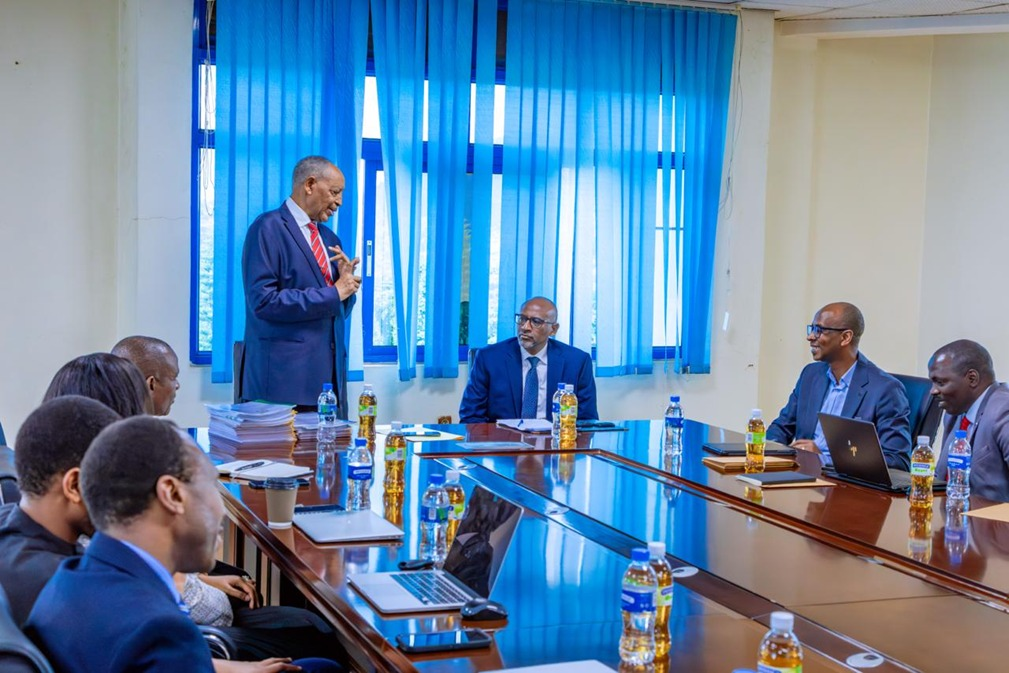
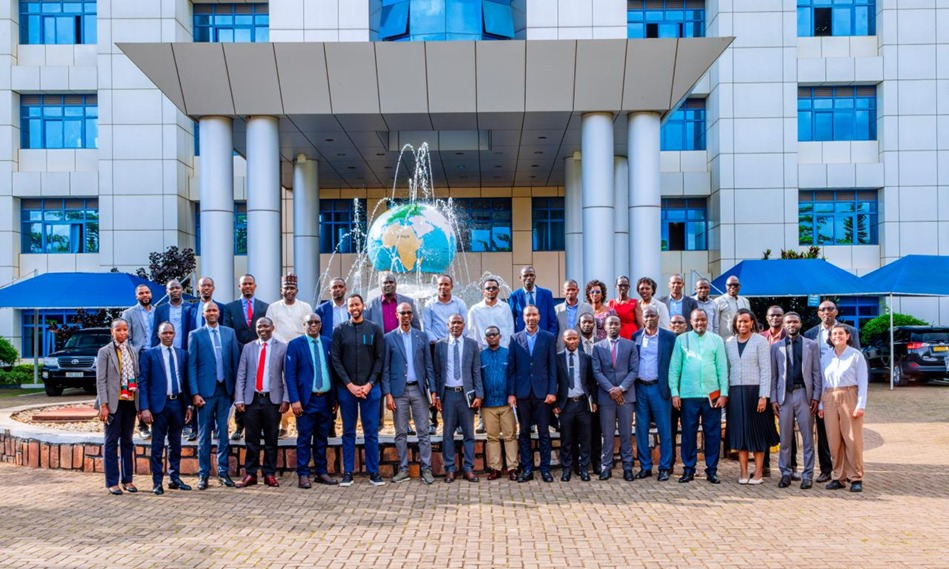
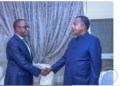
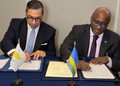
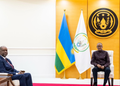
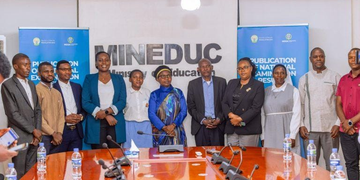
During a visit to Université Libre de Kigali (ULK) located in Kigali, the Executive Director of HEC, Dr. Edward Kadozi, accompanied by the Minister of Education, Joseph Nsengimana, and ULK founder Prof. Dr. Rwigamba Balinda, held extensive discussions with university leaders and lecturers on key issues facing higher education institutions in Rwanda.
Key Challenges in Higher Education
Among the major concerns discussed were the shortage of highly qualified academic staff, the need for modern teaching equipment, and the importance of strengthening research and doctoral programs.
ALSO READ: https://agaciropress.com/tshisekedi-third-term-debate-drc/
Focus on Practical Solutions to Improve Academic Standards
Speaking to the media after the meeting, Dr. Kadozi said the discussions focused on practical solutions aimed at improving academic standards across universities.
“We agreed on several strategies to address these challenges,” he said. “One of the priorities is strengthening the capacity of lecturers by expanding doctoral programs and establishing clear guidelines for supervising PhD students. We also discussed how universities can continue attracting international students and improving the services offered to them.”
Improving Services for International Students
He praised ULK’s efforts to accommodate foreign students, noting that the institution already provides student housing, but emphasized the need to further improve such services and resolve administrative challenges that international students sometimes face while beginning their studies in Rwanda.
ALSO READ: https://agaciropress.com/tshisekedi-apology-rwanda-attack-plan/
Digital Learning and Institutional Modernization
HEC also encouraged ULK to expand online and blended learning programs and to digitalize more student services to improve efficiency. These include online payment systems and faster processing of essential academic documents such as equivalence certificates and work authorization documents for international students.
Strengthening Collaboration with the Private Sector
Dr. Kadozi noted that many universities are already making progress by investing in infrastructure and learning resources, but stressed that stronger collaboration with the private sector remains essential.
“Universities are trying,” he said. “They are investing in facilities and supporting students, but there is still a need for more advanced equipment and stronger involvement from private companies in curriculum development and teaching. This will help ensure that academic programs match the needs of the labor market.”
ALSO READ: https://agaciropress.com/turkey-unveils-yildirimhan-missile-icbm/
Quality Assurance in Private Universities
Responding to concerns often raised about the quality of education in some private universities, Dr. Kadozi rejected the idea that all private institutions lack credibility. “We cannot say that the quality of education is poor in all private universities,” he explained. “What matters is continuing to improve standards across both public and private institutions by focusing on teaching quality, infrastructure, academic programs, and how well graduates are prepared for the job market.”
Inspection of Academic Facilities at ULK
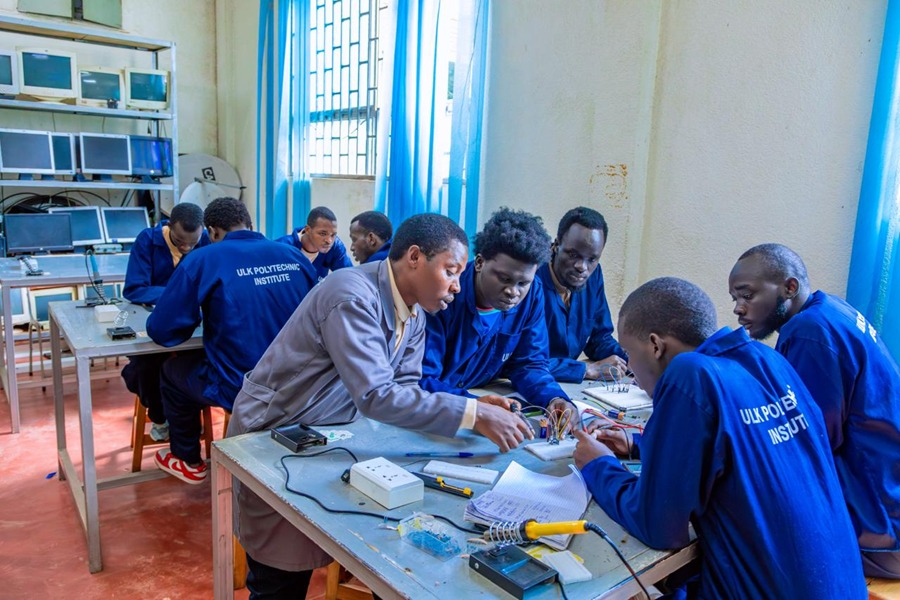
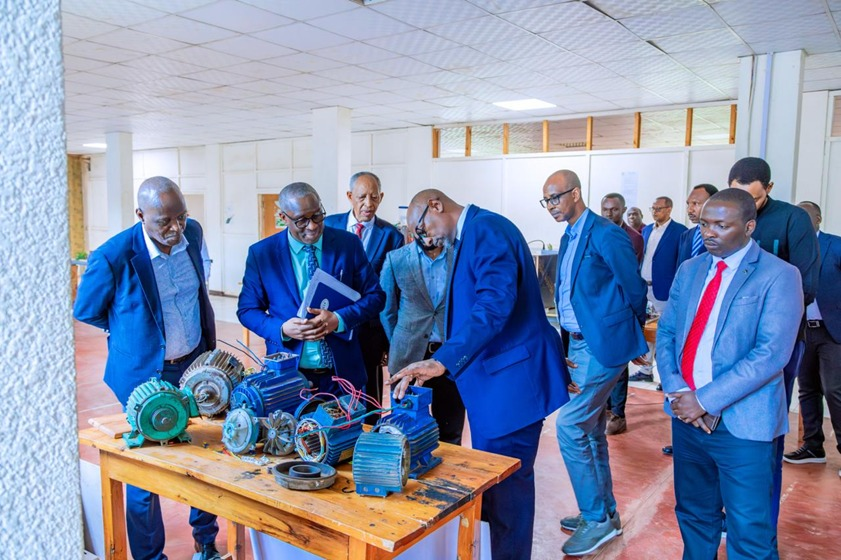
During the visit, officials toured ULK’s classrooms, laboratories, and training facilities used by students, particularly those pursuing practical and science-based programs.
ULK’s Mission on Discipline and Values
ULK founder Prof. Rwigamba Balinda emphasized that the university’s mission goes beyond academic excellence. According to him, ULK also focuses on discipline, ethics, and values that help students become responsible citizens capable of contributing positively to their families and the country. “A university’s responsibility is not only to produce knowledgeable graduates,” he said, “but also graduates with integrity, discipline, and strong values.”
ALSO READ: https://agaciropress.com/president-kagame-visits-botswana-diamond-trade/
Strengthening Academic Discipline and Student Monitoring
He explained that ULK has introduced strict academic measures to promote seriousness among students. Attendance is closely monitored using fingerprint technology, replacing the traditional manual attendance system. Students who fail to attend at least 80 percent of classes are not allowed to sit for examinations.
“We constantly remind students that university education requires commitment and hard work,” Prof. Balinda said. “Students are encouraged to revise lessons regularly and work together in small study groups.”
Promotion of Language Skills and Digital Learning
He added that ULK also emphasizes advanced digital skills, strong English proficiency, and the preservation of Kinyarwanda language skills.
Investment in Digital Library Resources
To strengthen academic research and learning, the university has invested heavily in a digital library system that gives students access to modern international academic books and resources from institutions in countries such as Canada, the United States, and across Europe. “Technology has opened many opportunities for students to acquire knowledge,” he said.
ALSO READ: https://agaciropress.com/kylian-mbappe-real-madrid-departure-petition/
Government Call for Institutional Cooperation
Education Minister Joseph Nsengimana also called for stronger cooperation between public and private universities in Rwanda, saying all institutions share the same national responsibility of improving education quality and preparing students for the future workforce.
Ongoing National Efforts to Improve Higher Education
The ongoing visits by HEC and the Ministry of Education are part of broader efforts to ensure universities in Rwanda equip students with relevant skills, improve academic standards, and strengthen collaboration among institutions and stakeholders in the education sector.