


























In Combating Infertility, Sperm Donation from Deceased Men Should Be Allowed. The donation of sperm from men who have passed away should be permitted, according to a recent study.

This research, published in the Journal of Medical Ethics, calls for new ways to increase the availability of organs and tissues from deceased individuals as altruistic donations.
ALSO READ: https://agaciropress.com/digital-vat-rwanda-online-music-films-tax/
Sperm Donation Shortages in the UK
In 2017 in the United Kingdom, 2,345 babies were born thanks to donated sperm. However, there remains a shortage of organ and tissue donations across the country due to strict regulations.
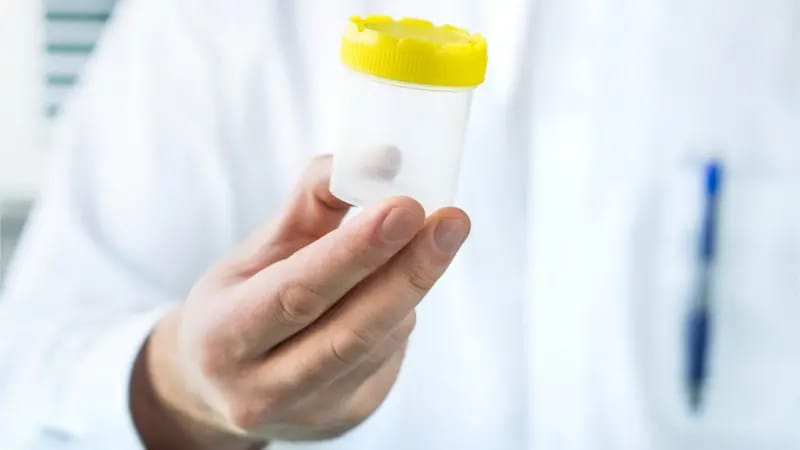
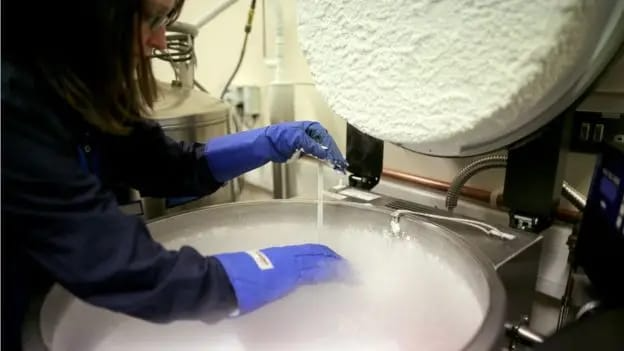
Sperm can be collected after a man’s death by stimulating the reproductive tract with electricity or surgery, and then stored under very cold conditions. Evidence shows that sperm retrieved from deceased men can still lead to healthy pregnancies and births, even if collected up to 48 hours after death.
Researchers Support the Practice
In the study, Nathan Hodson of the University of Leicester and Joshua Parker of Wythenshawe Hospital argued that this practice should be considered part of organ and tissue donation.
They wrote: “If it is acceptable for people to donate small parts of their body in honor, to relieve others’ suffering by extending their lives through organ transplants, then we see no reason why sperm donation should not also be included to relieve the suffering caused by infertility.”
ALSO READ: https://agaciropress.com/ted-turner-cnn-death/
Ethical Concerns Remain
However, they acknowledged potential ethical issues, such as whether the deceased had consented, the role of family members, and concerns about anonymity.
In 2014, the UK’s national sperm bank in Birmingham received £77,000 in government funding. Yet within two years, it closed due to a lack of donors. Only nine men agreed to donate again, and one later withdrew.
Since 2005, UK law requires that children conceived through donated sperm must be able to contact the donor once they turn 18.
Challenging Stigma Around Sperm Donation
‘Challenging stigma’ Facing negative perceptions.
Jeffrey Ingold, a former sperm donor in London, told the BBC that allowing posthumous sperm donation could encourage more men to become donors.
He said: “I don’t see why this new method of donation should be treated differently from organ donation it’s simply a good thing. For me, donating sperm was never about giving away part of myself, but about helping people who needed it.”
He added: “If people were aware of this program, they could make informed decisions about whether to donate. I believe many men would choose to do so.”
ALSO READ: https://agaciropress.com/elvin-cena-let-me-be-billboard/
Experts Urge Focus on Living Donors
Still, Allan Pacey, a specialist in male reproductive health at the University of Sheffield, cautioned that efforts should focus on recruiting young, healthy men who are alive, so that future children can meet their biological fathers if they wish.
Previous Legal Case Raised Similar Questions
A legal case on this issue occurred before
In 1997, when a woman won the right to use her deceased husband’s sperm. Stephen Blood contracted meningitis in February 1995, just two months after marrying Diane Blood. He lost consciousness while sperm was being collected, without giving written consent for its use, and later died.
Diane eventually gave birth to their son Joel in 2002, using sperm that had been stored under strict conditions, after winning a legal battle to be recognized as having conceived with her husband.















Comments 1