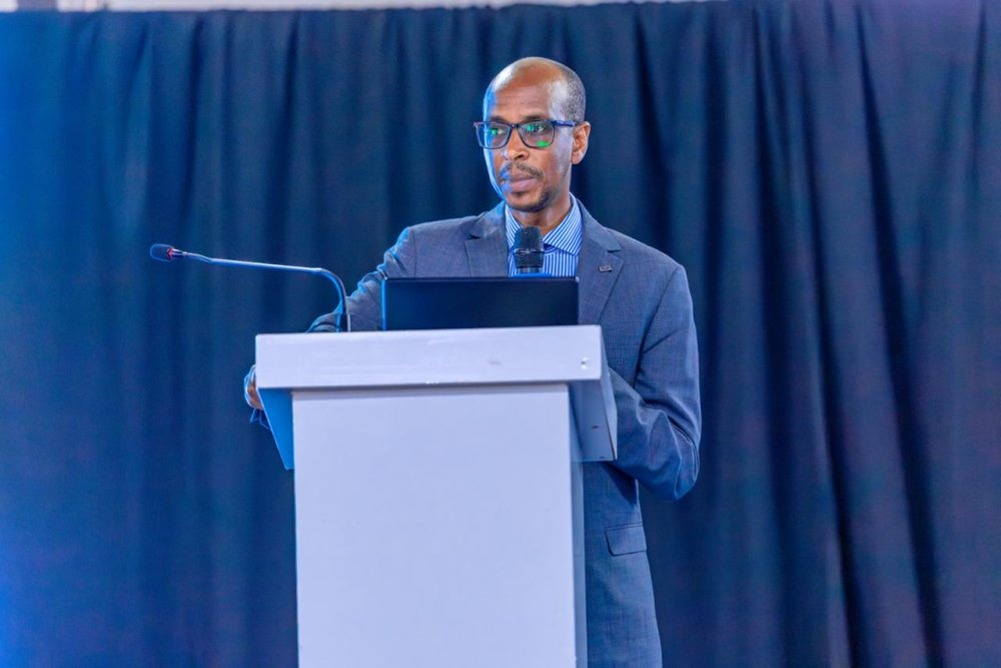


























The Vice Chancellor of the University of Rwanda, Didas Kayihura Muganga, has dismissed claims that graduates from the institution lack sufficient skills for the job market.

Launch of Higher Education Evaluation Exercise
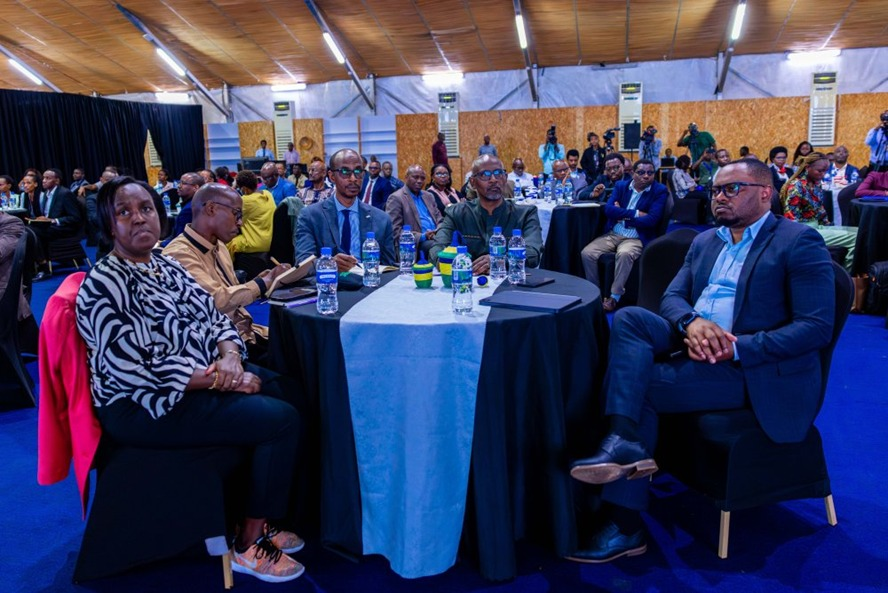
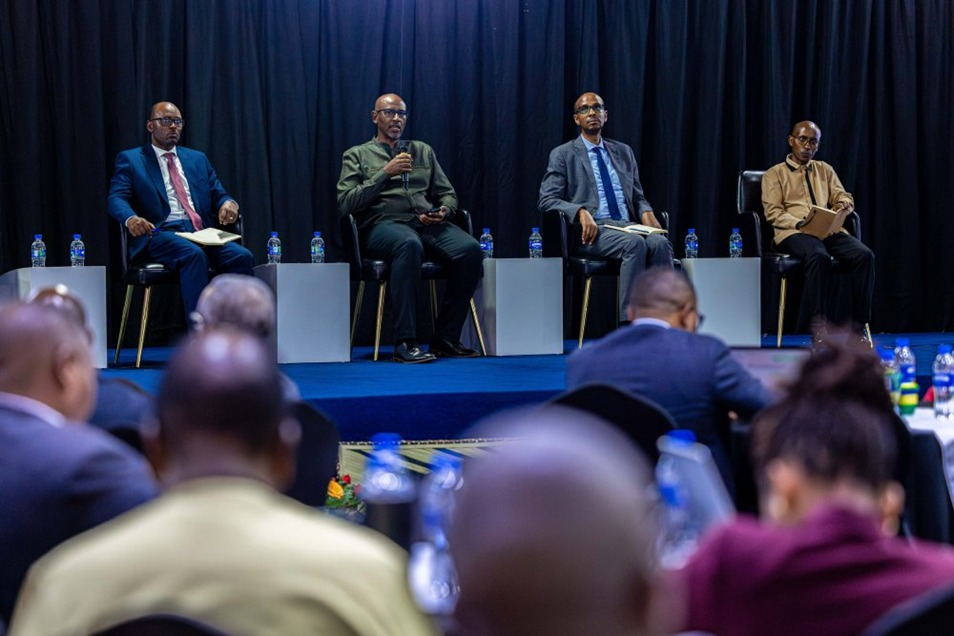
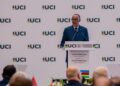
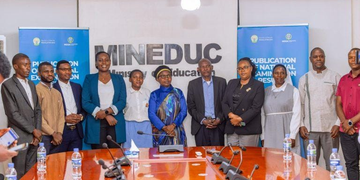
Speaking on May 4, 2026, during the launch of an evaluation exercise by the Higher Education Council (HEC), Prof. Kayihura explained that many students secure employment even before completing their studies. The assessment began at the College of Science and Technology (CST) in Kigali and aims to gather data to improve the quality of higher education.
ALSO READ: https://agaciropress.com/most-attended-concerts-in-history-shakira/
Strong Employment Before Graduation
He expressed surprise at the criticism, stating that employers frequently request students for internships and jobs ahead of graduation. In some cases, companies recruit up to 50 students before they finish their studies, and more than 300 students may already have jobs by the time they receive their degrees.
Competitiveness of Graduates
While acknowledging that the university has not yet reached its ideal standards, Prof. Kayihura emphasized that its graduates remain competitive both in Rwanda and across the region. He noted that many international students choose to study at the University of Rwanda and are often recruited even before completing their programs, which he said is an indicator of the institution’s quality.
ALSO READ: https://agaciropress.com/rwanda-higher-education-outreach-program-2026/
Areas for Improvement
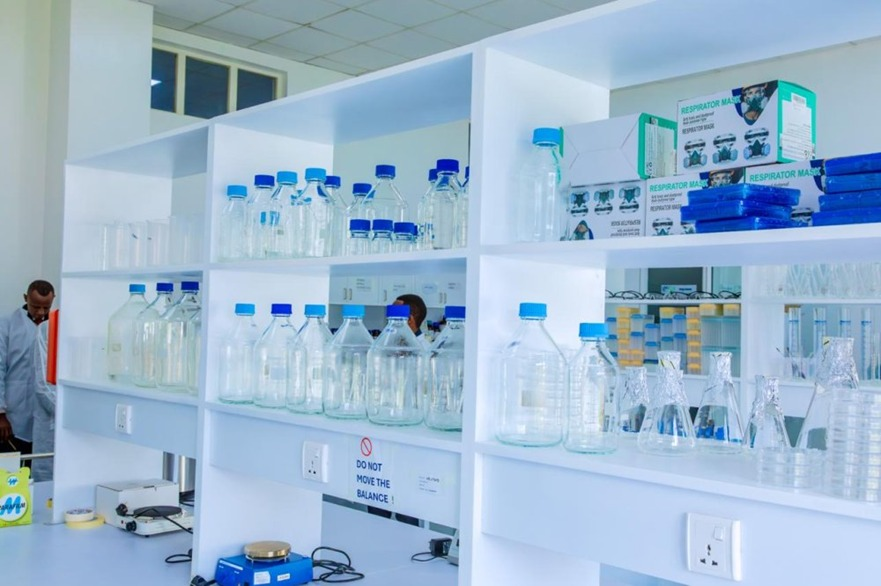
However, he admitted that improvements are still needed, particularly in upgrading laboratory facilities at CST to meet international standards and increasing the number of academic staff.
Government Position on Skills Gap
The Minister of Education, Joseph Nsengimana, also highlighted the importance of aligning education with practical skills required in the job market. He pointed out that some graduates struggle because they lack hands-on experience with tools and real-world applications.
Private Sector Collaboration
To address this, the government plans to strengthen collaboration with the private sector. Employers will help shape curricula by identifying the skills they need, ensuring that graduates are better prepared for employment.
ALSO READ:https://agaciropress.com/dr-uwamariya-south-africa-robbery-story/
Education and National Goals
Rwanda aims to build a knowledge-based economy and position itself as a regional hub for science and technology. Despite progress in higher education over the past 20 years, challenges remain. According to HEC, only 9% of Rwandans aged 18 to 23 are enrolled in higher education, compared to the global benchmark target of 28%.
Ongoing Evaluation for Reform
The ongoing evaluation is expected to guide reforms that will further improve the quality and relevance of higher education in the country.