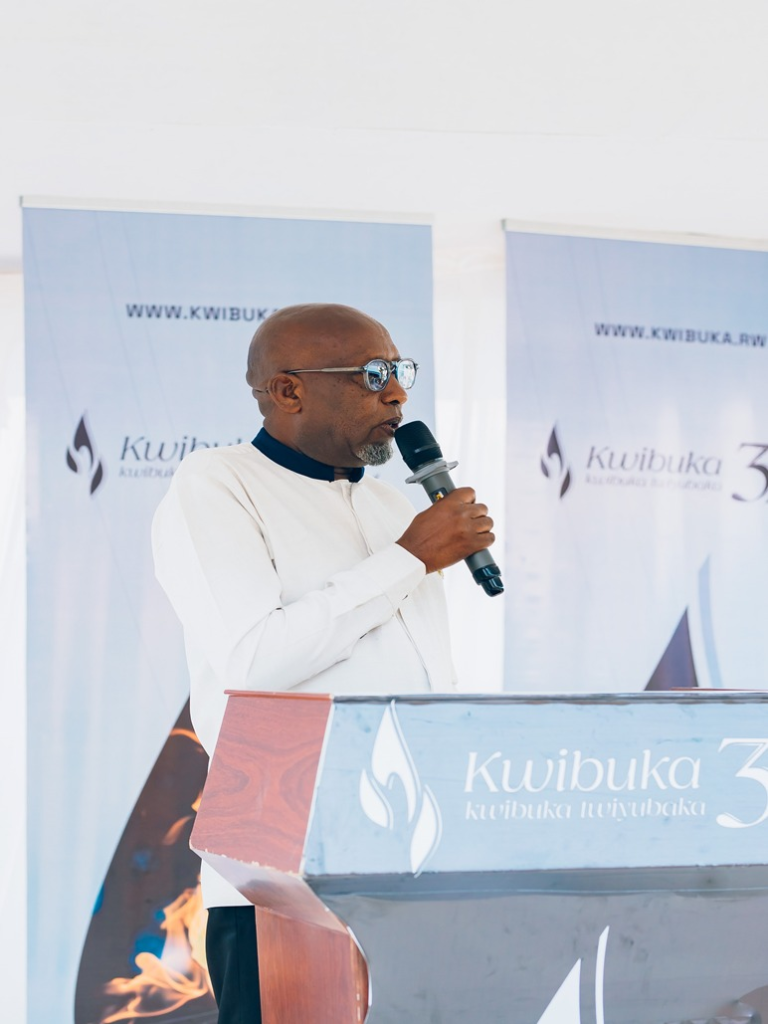
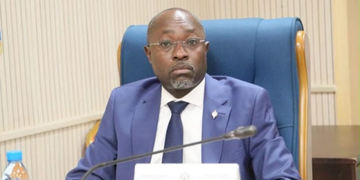


























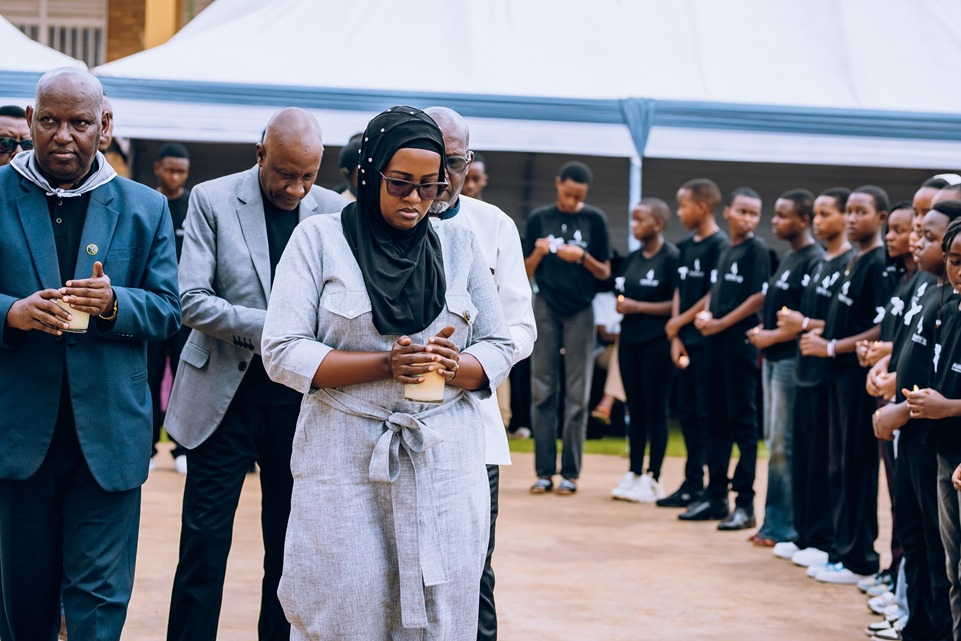
During the commemoration of the 1994 Genocide against the Tutsi in Kicukiro Sector, François Gahama delivered a historical lecture. He stressed the importance of understanding Rwanda’s painful past. This helps people learn from it and prevents such tragedies from happening again.

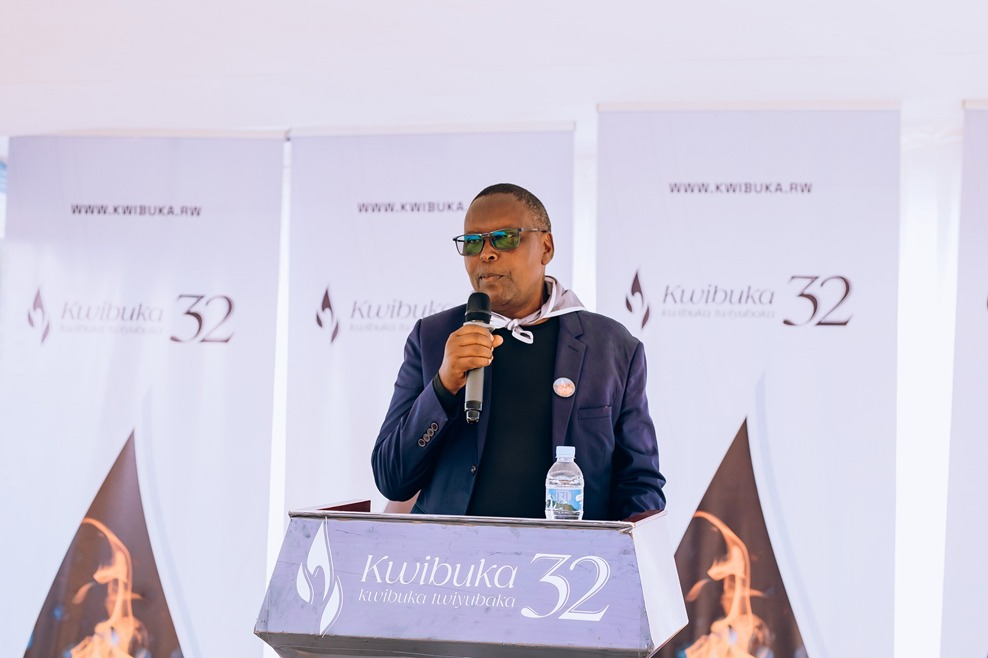
He explained that on October 1, 1990, the Rwanda Patriotic Army (RPA) began its liberation struggle against the government led by President Juvénal Habyarimana. The government responded with war. At the same time, it started a systematic plan to kill Tutsi across the country.
According to Gahama, state institutions were used to spread hatred and division. These actions incited Hutu against Tutsi and led to widespread killings.
Role of Media in Spreading Division
He also highlighted the role of media in spreading hatred. Both state-owned and private outlets were involved. Publications such as Kangura and broadcasts like Radio Télévision Libre des Mille Collines (RTLM) played a major role.
For example, in 1993, Kangura published the “Ten Hutu Commandments.” These messages promoted discrimination and separation from Tutsi in all areas of life.
ALSO READ: https://agaciropress.com/munyanshoza-book-delay-genocide-release/
Appreciation for RPF Efforts
Gahama praised the Rwanda Patriotic Front (RPF) for stopping the Genocide. He also commended the Government of National Unity for promoting a shared Rwandan identity. This identity goes beyond ethnic divisions.
He urged citizens to stay united. He warned against any attempts to bring back divisionism.
Survivor Testimony and Gratitude
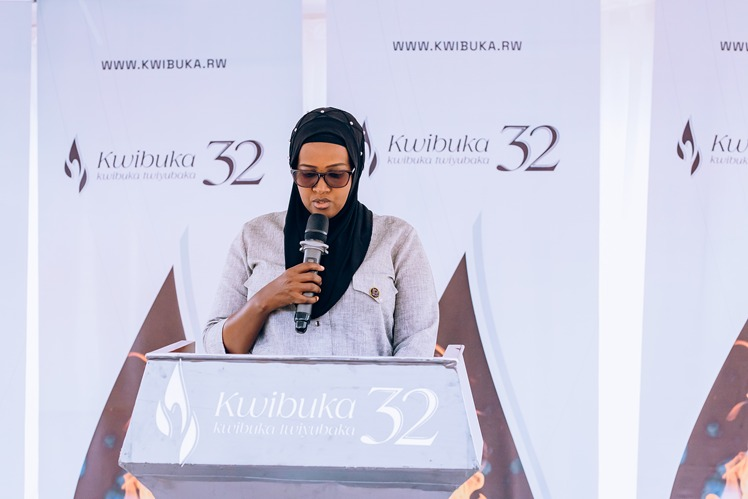
Rusekampunzi Lin, a representative of IBUKA in Kicukiro Sector, spoke about the tragedy. She expressed gratitude to the RPF fighters who stopped the Genocide and saved lives.
She noted that many fighters were young. They were led by President Paul Kagame. Despite limited resources, they fought with courage and liberated the country.
She also shared her personal experience. She survived four attempts on her life. She expressed deep gratitude for being alive. Many survivors who were once children are now adults contributing to national development.
ALSO READ: https://agaciropress.com/rwandans-cameroon-genocide-commemoration-32nd/
Ongoing Challenges Faced by Survivors
However, she pointed out ongoing challenges. Even after 32 years, some survivors still face harassment and violence.
She called for strong action against those who promote genocide ideology. She also condemned acts such as property destruction and physical attacks. These acts are intended to cause fear and sufferingCall for Unity and Responsibility
Manirakiza Bonaventure, Vice President of the Kicukiro Sector Advisory Council, reaffirmed leadership commitment. He said Kicukiro should remain a model sector where such atrocities never happen again.
He emphasized that remembrance is important. Although the stories are painful, they must not be forgotten. Remembering helps prevent history from repeating itself.
He encouraged parents to teach children values of love, unity, and patriotism. He warned against teaching hatred and violence.
He also reassured residents about government commitment. The government prioritizes citizens’ welfare. It remains vigilant against threats to national stability. He called on everyone to take responsibility in protecting peace and unity.