




























Minister Highlights AI Importance
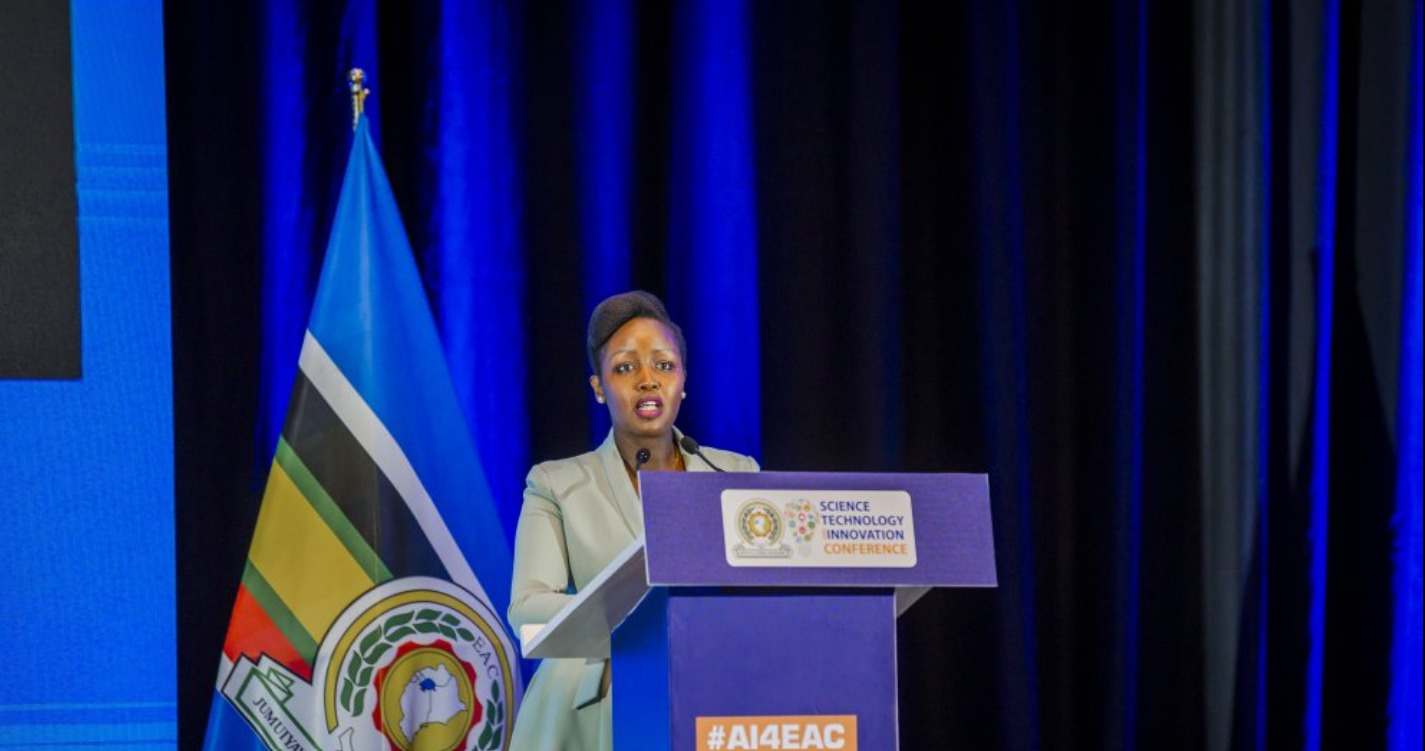
The Minister of Technology and Innovation, Ingabire Musoni Paula, emphasized the need for information to be available online in Swahili, Kinyarwanda, Luganda, and other East African languages. This step will help the region keep up with global technological development.

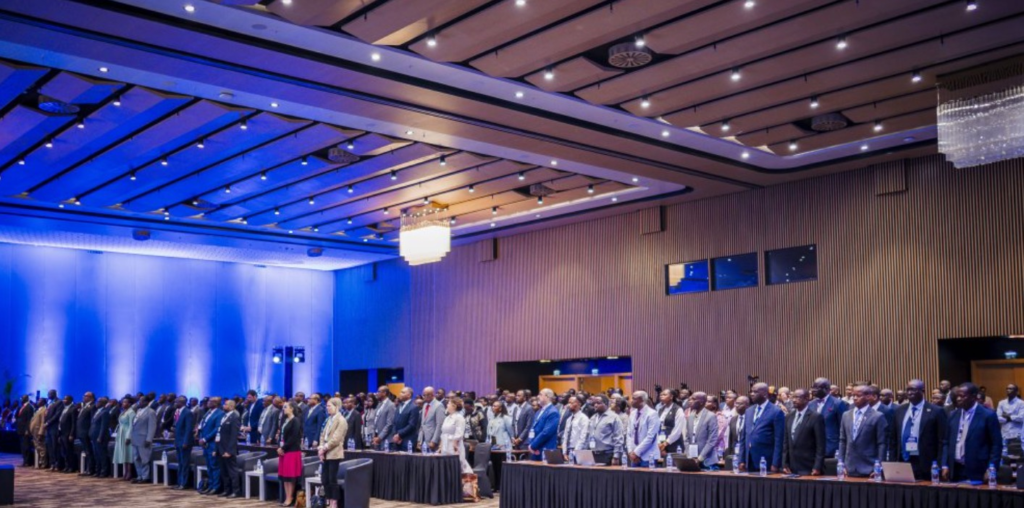
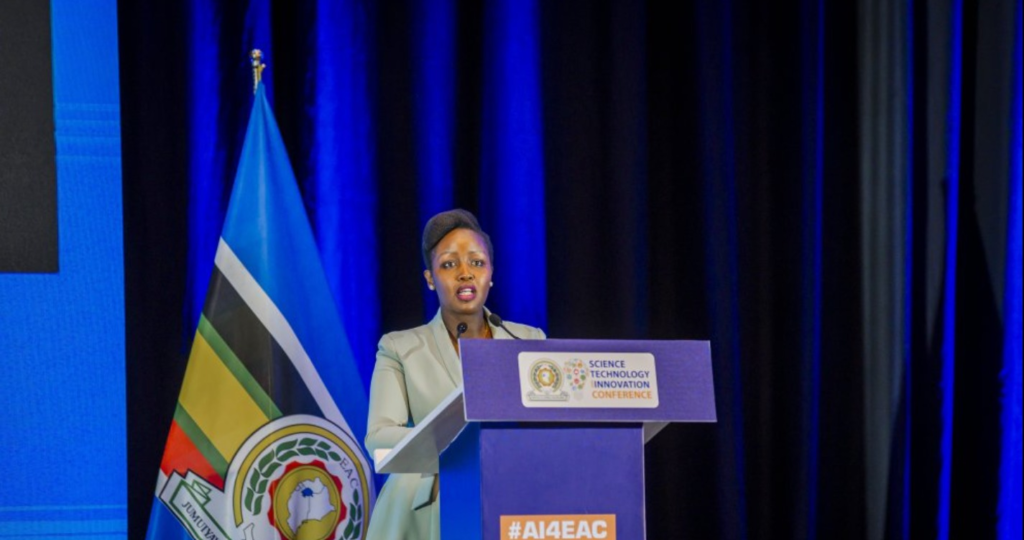
On March 30, 2026, she officially opened a three-day conference in Kigali. The event focused on exploring ways to promote Artificial Intelligence (AI) technology and accelerate development in East Africa. Representatives from the technology sectors of EAC member states and other partners attended the conference. They discussed how AI can benefit various sectors.
Rwanda’s Progress in AI
Minister Ingabire highlighted Rwanda’s achievements in using technology, including AI, to improve medical services such as blood transfusions. She also mentioned that AI could contribute up to 5% of the Gross Domestic Product (GDP).
She noted that countries like Tanzania and Uganda have adopted technology in financial services. Moreover, she pointed out that this trend offers the region an opportunity to leverage AI for broader development.
ALSO READ: Religious Leaders Urged to Work with Government on Family Challenges in Rwanda.
Economic Potential of AI in Africa
The Minister shared Africa’s economic promise with AI:
“The African Development Bank estimates that by 2035, AI could add $1 trillion to Africa’s GDP, create 35 to 40 million jobs in the technology sector, and generate $150 billion in tax revenue.”
She added that East Africa has made progress in technology adoption:
“Here in East Africa, we too have mobile phone penetration reaching 90% of the total area, and internet users have increased by 54% in one year. However, today, less than 3% of the languages used on the internet in the world are in African languages. We need to urgently invest in making information available online in Swahili, Kinyarwanda, Luganda, and other East African languages.”
Conference Focus
Experts at the conference studied ways to promote AI and accelerate development. They explored methods to improve digital literacy, increase access to AI-driven services, and ensure that technology benefits a wide audience.
In addition, discussions emphasized collaboration between governments and private sectors. This approach is key to building sustainable AI initiatives across the region.
Inclusion and Accessibility
Minister Ingabire stressed that making information accessible in local languages is essential. By doing so, AI and technology benefits can reach more people, supporting inclusive growth and knowledge sharing.
The Minister also highlighted the importance of encouraging young people and women to engage with AI. This strategy will help create a skilled workforce for the future.
Call to Action
The Minister’s message was clear: East Africa must act now to integrate AI responsibly and inclusively. Expanding internet content in African languages, improving digital skills, and embracing innovation will help the region fully benefit from AI while creating opportunities for all citizens.