













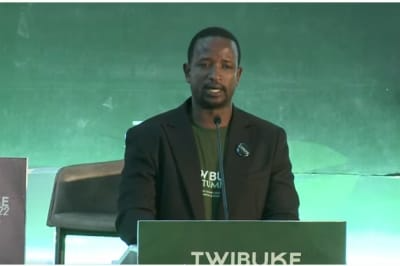
A survivor known as Kimararungu Musamatare has shared his testimony about the massacre of Banyamulenge people in Kabela, Fizi Territory, South Kivu, Democratic Republic of Congo (DRC).

He spoke on August 13 during a commemoration marking 22 years since the Gatumba massacre.
ALSO READ: https://agaciropress.com/rdb-defends-aston-villa-deal-says-no-customer-is-too-small/
Kabela Massacre of 1996
The Kabela killings took place in September 1996, when Banyamulenge civilians in the area were attacked, with responsibility attributed by survivors to armed Babembe fighters. Many men were killed, while many women survived but suffered sexual violence.
Musamatare recalled how families were identified and taken from churches where they had been gathered.
Children, women, and men were loaded onto small boats on Lake Tanganyika and transported for days under terrifying conditions.
The victims were told they were either being taken to Rwanda or thrown into the lake.
Journey Through Fear and Uncertainty
Upon reaching Uvira, they were transferred to trucks and taken toward Kamanyola, near the Rwanda-DRC border, where men and women were separated.
He said children who followed the men were never seen again.
He described how women were searched and humiliated in front of their children, while boys survived by disguising themselves in women’s clothing.
Some boys, including himself, crossed the border wearing pieces of women’s clothing such as wraps, skirts, and dresses to avoid being identified and killed.
Survivors Continue to Seek Justice
Musamatare said that although many of their parents were killed, the surviving children remained alive to tell the story and seek justice.
Survivors continue to call for accountability and recognition of the suffering endured by Banyamulenge communities.
Figures presented during the Gatumba commemoration indicated that hundreds of Banyamulenge people were killed in attacks in 1996, including victims in Bibogobogo, Kabela, Bivumu, and Magaja.
Survivors say remembering these events is not meant to reopen wounds, but to preserve the truth and help prevent similar atrocities from happening again.A survivor known as Kimararungu Musamatare has shared his testimony about the massacre of Banyamulenge people in Kabela, Fizi Territory, South Kivu, Democratic Republic of Congo (DRC).
He spoke on August 13 during a commemoration marking 22 years since the Gatumba massacre.
Kabela Massacre of 1996
The Kabela killings took place in September 1996, when Banyamulenge civilians in the area were attacked, with responsibility attributed by survivors to armed Babembe fighters.
Many men were killed, while many women survived but suffered sexual violence.
ALSO READ: https://agaciropress.com/uganda-mysterious-illness-kills-four-people-authorities-in-rakai-district/
Families Removed From Churches
Musamatare recalled how families were identified and taken from churches where they had been gathered.
Children, women, and men were loaded onto small boats on Lake Tanganyika and transported for days under terrifying conditions.
The victims were told they were either being taken to Rwanda or thrown into the lake.
Upon reaching Uvira, they were transferred to trucks and taken toward Kamanyola, near the Rwanda-DRC border, where men and women were separated.
He said children who followed the men were never seen again.
ALSO READ: https://agaciropress.com/how-habyarimana-joined-the-genocide-plot-from-his-youth/
Women Humiliated, Boys Forced to Disguise Themselves
He described how women were searched and humiliated in front of their children, while boys survived by disguising themselves in women’s clothing.
Some boys, including himself, crossed the border wearing pieces of women’s clothing such as wraps, skirts, and dresses to avoid being identified and killed.
Musamatare said that although many of their parents were killed, the surviving children remained alive to tell the story and seek justice.
Survivors continue to call for accountability and recognition of the suffering endured by Banyamulenge communities.
Remembering the Victims
Figures presented during the Gatumba commemoration indicated that hundreds of Banyamulenge people were killed in attacks in 1996, including victims in Bibogobogo, Kabela, Bivumu, and Magaja.
Survivors say remembering these events is not meant to reopen wounds, but to preserve the truth and help prevent similar atrocities from happening again.