















Rwanda is set to access $35.7 million from the International Monetary Fund (IMF) after the country and the IMF reached a staff level agreement on the first review of Rwanda’s Extended Credit Facility (ECF) programme.

The agreement was reached following discussions held between September 23 and October 6, 2026. The funds will become available after the IMF Executive Board completes its review, which is expected in December 2026.
ALSO READ: https://agaciropress.com/uganda-revives-patriotism-training-programme-similar-to-rwandas-itorero/
Rwanda’s Economy Records 9.7% Growth
The IMF said Rwanda’s economy has remained resilient despite challenges affecting the global economy.
Rwanda’s economy grew by 9.7% in the first half of 2026, supported in part by strong remittances and an improvement in the country’s external position. The government said Rwanda met all measurable economic targets set for the end of June 2026 under the programme.
The agreement is part of Rwanda’s 38-month ECF programme, which was approved by the IMF Executive Board in June 2026. The broader programme is valued at $250 million, with funds released through periodic reviews.
Inflation Remains a Major Challenge
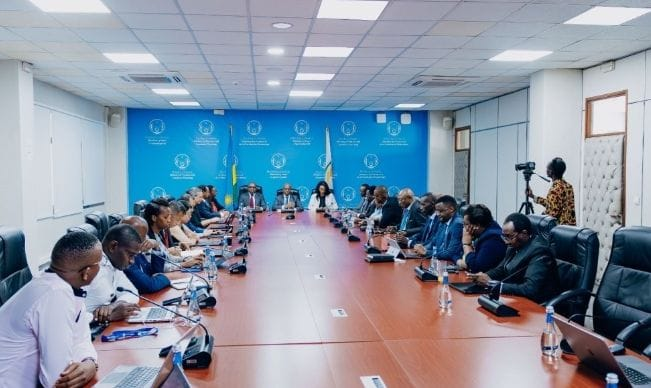
Despite strong economic growth, inflation continues to put pressure on Rwanda’s economy. Inflation reached 15.7% in August 2026, significantly above the National Bank of Rwanda’s medium-term target of 5%. The IMF has emphasized the need for continued monetary and fiscal measures to contain inflation and protect macroeconomic stability.
The IMF also noted improvements in Rwanda’s public finances. The fiscal deficit declined to 4.8% of GDP in the 2025/2026 financial year, supported by strong tax collection and controlled spending.
ALSO READ: https://agaciropress.com/39-cyclists-prepare-to-represent-rwanda-at-african-cycling-championships/
IMF Calls for More Domestic Revenue
The IMF has encouraged Rwanda to continue strengthening domestic revenue collection while carefully prioritising major public investment projects financed through external resources.
The recommendations come as Rwanda seeks to maintain economic growth while managing debt and other financial pressures.
ALSO READ: https://agaciropress.com/rwandans-in-uk-join-campaign-against-illicit-alcohol/
Government Says Growth Will Help Repay Loans
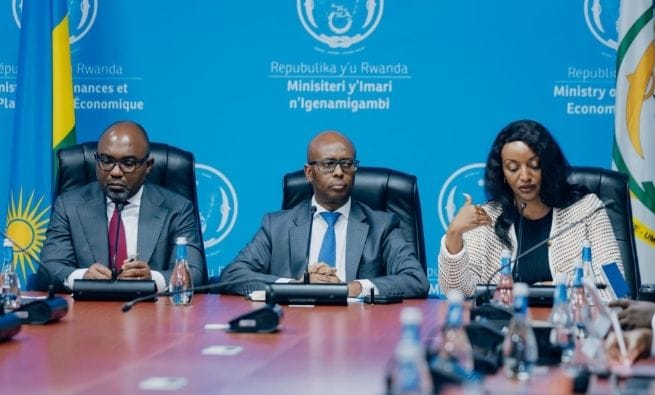
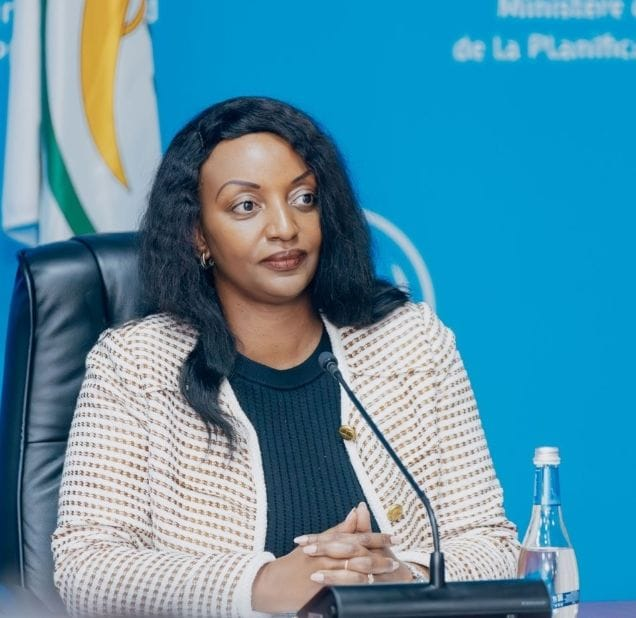
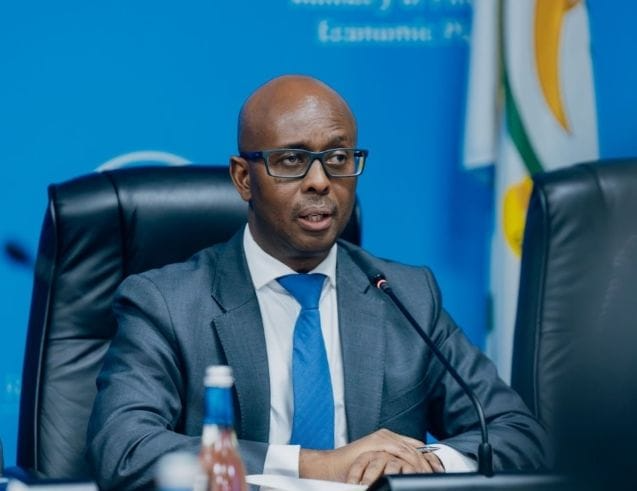
Minister of Finance and Economic Planning Yussuf Murangwa said Rwanda’s development strategy involves borrowing to finance productive investments that can generate economic returns.
He said the government’s approach is not to rely mainly on higher taxes to repay loans, but to invest borrowed funds in activities that strengthen economic growth and generate resources for debt servicing.
According to the Minister, Rwanda’s borrowing largely falls into two categories. About 90% consists of concessional loans, which generally have very low or zero interest rates, grace periods and long repayment periods.
The remaining 10% consists of semi-concessional loans, which carry relatively low interest rates, generally between 1% and 2%. Murangwa said the government avoids borrowing at interest rates above 2.5%, except where financing is linked to projects capable of generating returns relatively quickly.
ALSO READ: University Lecturers with PhDs in Rwanda Exceed 1,300, but Women Remain Few
Airport Investment Cited as an Example
As an example, Murangwa cited an airport project, explaining that a project financed through a loan carrying an interest rate of around 2% could have a three-to-five-year grace period.
During that period, the project could be constructed and begin generating revenue before debt repayments start. The revenue generated could then contribute to servicing the loan.
The latest IMF review therefore comes as Rwanda seeks to balance economic growth, inflation control, domestic revenue mobilisation and debt sustainability while continuing to finance development priorities.