









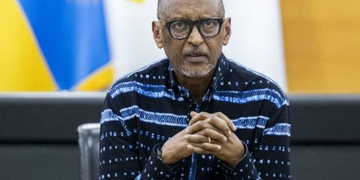











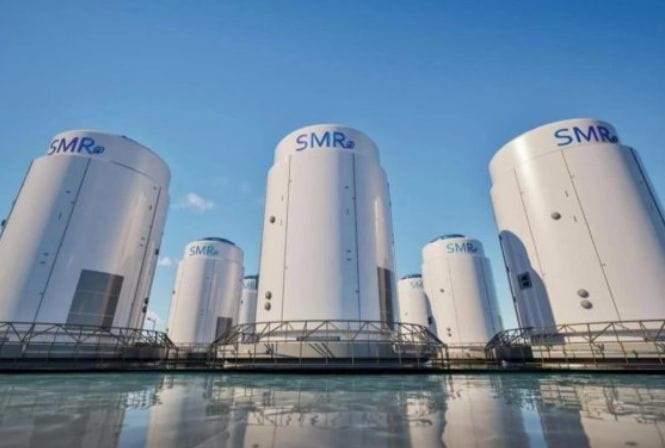
In 2023, while President Paul Kagame was attending the Columbia Global Energy Summit in New York, which focused on ways of ensuring sufficient electricity supplies, he announced that Rwanda was looking to nuclear energy to help achieve this goal, describing it as a relatively affordable and safe option. Rwanda is now planning to build a nuclear power plant, with construction expected to begin in early 2028 and take about two years.

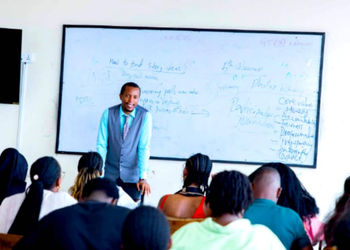
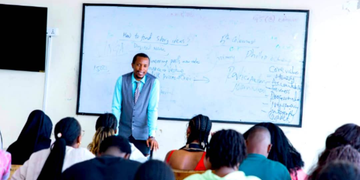
While several countries around the world are accelerating the development of nuclear energy infrastructure, Rwanda has chosen to first build its human capacity before developing the infrastructure itself. Some people are being trained, while students are being sent abroad to acquire specialised knowledge in nuclear technology and energy management.
The broad programme, aimed at using nuclear energy for the benefit of the population, is being led by the Rwanda Atomic Energy Board (RAEB). It began several years ago based on President Kagame’s vision.
Rather than relying on foreign experts to operate completed nuclear facilities, Rwanda has chosen to invest heavily in developing a highly skilled national workforce. This is seen as one of the key measures to ensure that the country’s nuclear energy programme is sustainable and benefits its people.
More Than 100 Students Trained in Nuclear Technology
The results of this strategy are already becoming visible. Last month, 26 Rwandan students returned home with master’s degrees in areas including the management and safe operation of nuclear power plants, nuclear safety and electrical engineering.
The graduates were immediately employed by RAEB. With more than 100 other students having been sent abroad to acquire specialised knowledge, Rwanda is building the core expertise needed to operate and properly manage its future nuclear energy infrastructure.
Speaking on the Dossier programme, RAEB Board Chairperson Dr Lassina Zerbo emphasised the importance of Rwanda’s approach, highlighting the risks of rushing to build infrastructure without first developing the necessary human capacity.
He cited a French proverb, saying: “On ne met pas la charrue avant les bœufs,” meaning that one should not put the cart before the horse, or do things in the wrong order. He added: “To do things properly and avoid putting the cart before the horse, we had to identify young people who understood and were willing to study nuclear science and technology.”
He further explained that sending young people abroad for studies also provides valuable opportunities for the younger generation, regardless of their background or where they come from. They get the opportunity to study and, upon completion, are immediately employed by the government. he said: “That is what we are doing.”
Why Rwanda Is Focusing on Small Nuclear Reactors
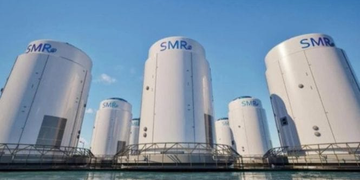
Rwanda’s goal is not to build the large conventional nuclear power plants commonly associated with nuclear energy. Instead, it has opted for Small Modular Reactors (SMRs) and even smaller units known as microreactors.
SMRs can be compared to nuclear power plants that are manufactured in sections at industrial facilities and then transported to their intended location, where they are assembled. One modular unit measures approximately 1.8 metres in size. Rwanda plans to have a facility with four modules, each capable of generating 200 megawatts.
Microreactors are also manufactured and assembled at designated facilities. They can then be transported to different locations by aircraft, ships or road vehicles, as a single unit can fit inside a shipping container.
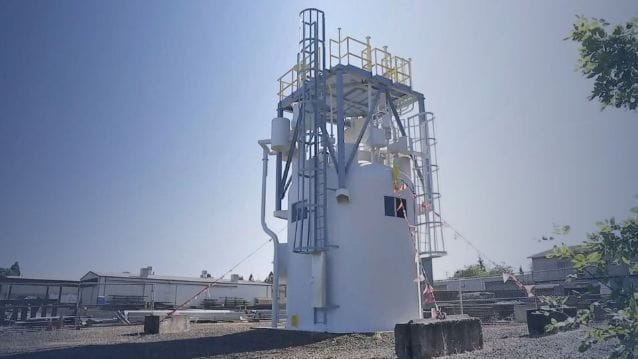
Once delivered to their intended location, they can also be relocated. Each unit requires a surrounding area of at least three kilometres where no other activity or infrastructure is permitted, known as a “buffer zone.” It is reported that a single reactor could have the capacity to generate up to 20 megawatts of electricity and operate efficiently for about 20 years.
This means that these small nuclear facilities could provide reliable electricity for thousands of households or data centres continuously for more than 15 years without requiring frequent major refurbishment.
Meanwhile, new technology known as molten salt reactors could also be used in these small facilities. The technology is currently being tested in desert regions and uses thorium and molten salt to generate electricity.
Unlike conventional nuclear power plants, this technology does not require water for its operation. Instead, molten salt is used in the process of generating electricity. Dr Zerbo explained why Rwanda chose to develop small reactors, saying President Kagame “made a clear decision to choose small reactors because he saw them as being more suitable for the country’s circumstances.”
Rwanda Eyes Regional Nuclear Energy Cooperation
Overall, however, the vision goes beyond Rwanda’s borders.
Rather than having all 54 African countries build their own individual nuclear facilities, Rwanda believes that cooperation across the continent through energy hubs is a more viable approach.
Dr Zerbo said Africa needs to develop a mindset focused on its own development, with successful projects serving as models that other countries can replicate.

ALSO READ: https://agaciropress.com/calvin-hemery-wins-first-rwanda-open-m25-title-in-kigali/
Electricity Shortages Drive Nuclear Energy Ambitions
Beyond technology, economic statistics are also driving Rwanda’s nuclear energy ambitions. Currently, more than 600 million people across Africa do not have access to electricity. Those who do have access in many African countries often pay more than $0.30, approximately Rwf443, per kilowatt-hour, compared with about $0.05, or Rwf73.9, in some parts of Asia. This energy inequality is among the factors affecting industrial competitiveness and food security across the continent.
Large industries require a reliable and continuous supply of electricity, while power sources dependent on weather conditions, such as solar and wind, cannot always provide an uninterrupted supply. Nuclear energy is currently viewed as one of the sustainable solutions to this challenge.
The international community is increasingly recognising Africa’s growing interest in nuclear energy. This was evident at the second African Nuclear Energy Innovation Summit, NEISA, which was supported by the International Atomic Energy Agency (IAEA).
The latest summit, held in Kigali, brought together more than 1,500 participants, including international businesses operating in the sector from France, the United Kingdom, Germany, Russia, China and the United States.
During the summit, Tanzanian President Samia Suluhu Hassan commended President Kagame for his persistent efforts to promote Africa’s advancement in using nuclear energy to drive development. At present, South Africa is the only African country generating electricity from nuclear power. It operates the Koeberg Nuclear Power Station. Egypt is also making significant progress in developing nuclear power. The country is constructing the El Dabaa Nuclear Power Plant in the northwest of the country.