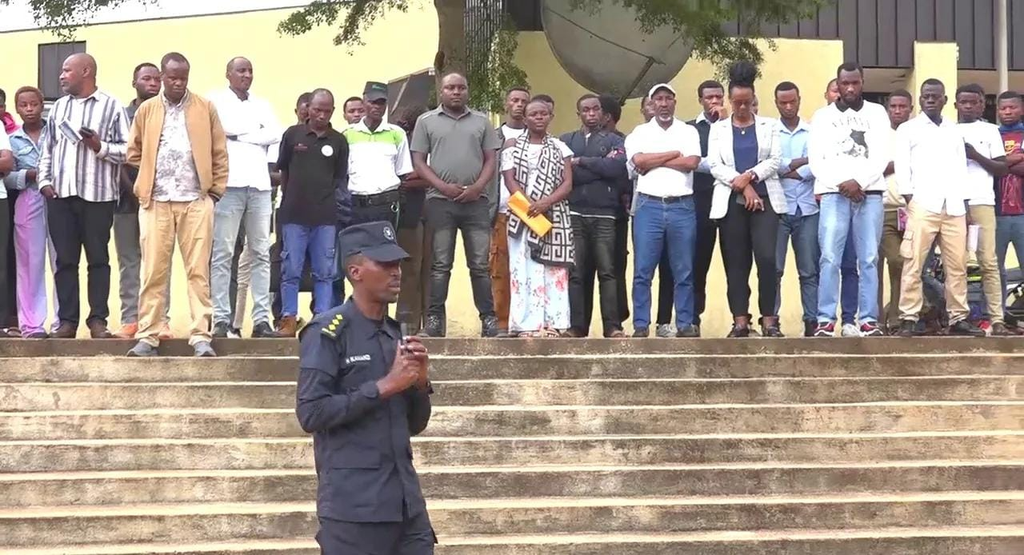









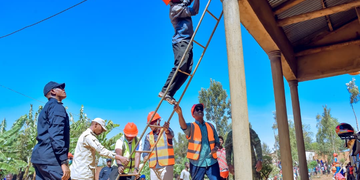














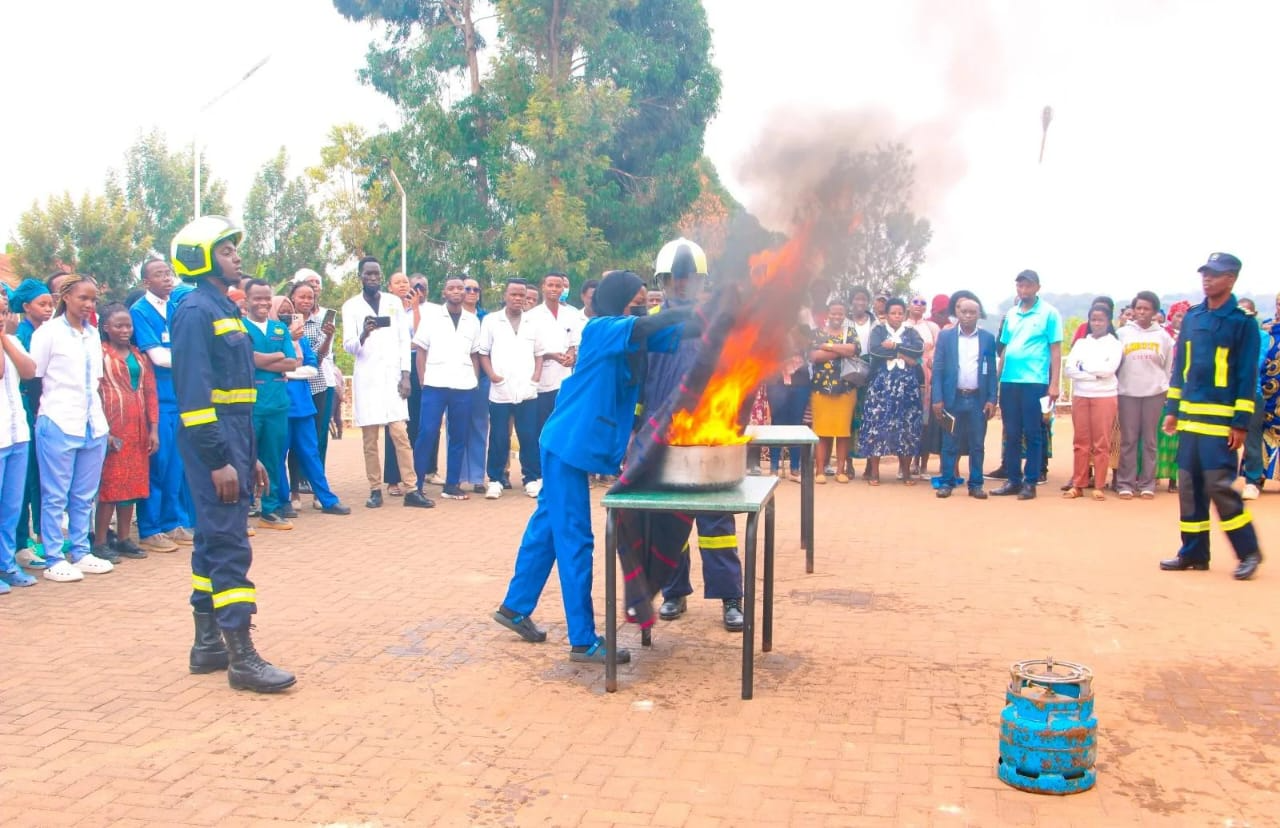
The Rwanda National Police has trained students, lecturers and staff at the University of Rwanda’s Huye Campus in fire prevention and the proper use of fire extinguishers.

The spokesperson for the Rwanda National Police in the Southern Province, CIP Hassan Kamanzi, urged participants to apply the knowledge they had acquired, avoid negligence when handling equipment that could cause fires, and promptly report anything that could lead to a fire outbreak.
He said: “This training is intended to equip students, lecturers, and university staff with knowledge about the causes of fires, measures for preventing them, and how to respond when they occur. We urge you to put into practice what you have learned because preventing fires is everyone’s responsibility.”
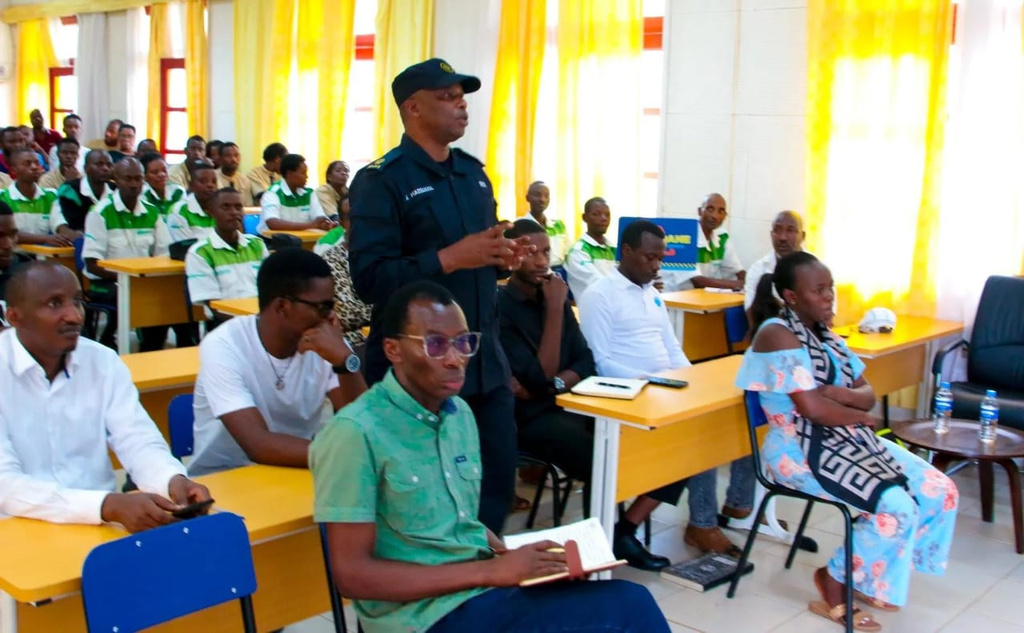
Participants Trained in Firefighting Techniques
CIP A. Murwanashyaka, who serves in the Rwanda National Police department responsible for firefighting, fire prevention and rescue operations, taught participants about different types of fires, their causes, consequences and prevention measures. Participants also received practical training on how to use fire extinguishers and apply basic firefighting techniques to respond appropriately during fire incidents.
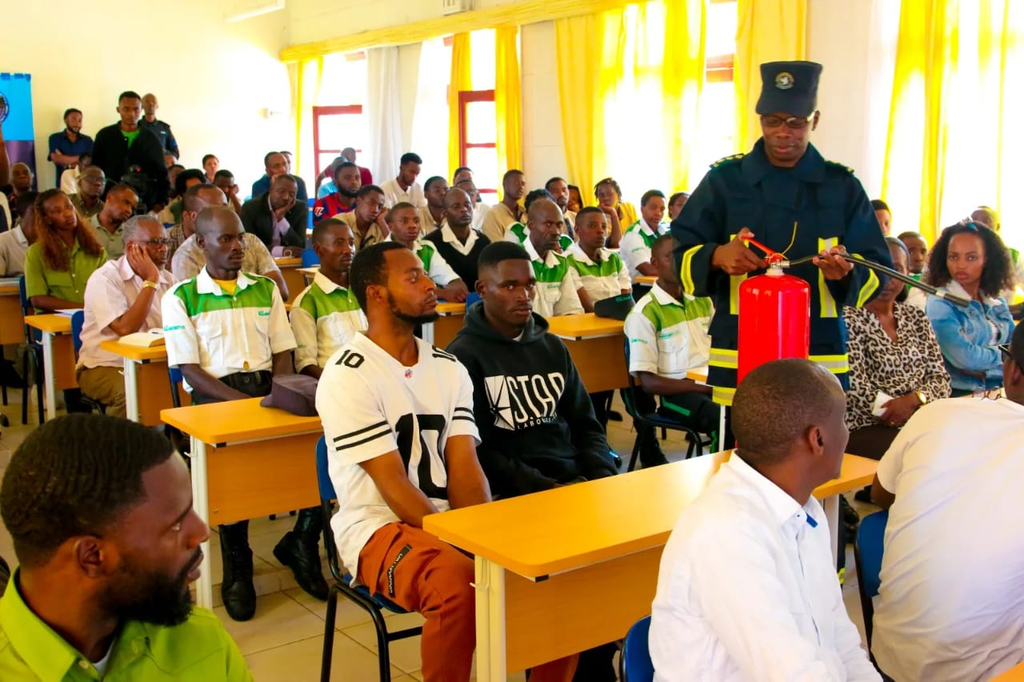
The Police Commander in Huye District, SP A. Habimana, urged students, lecturers and university administrators to take an active role in fire prevention, warning that fires can cause significant property damage and loss of life. He said: “Everyone must play a visible role in preventing fires. That is why you need adequate knowledge to help you prevent and combat fires rather than standing by when they occur.”
Students and Staff Welcome the Training
Emmanuel Ahishakiye, a student at the University of Rwanda’s Huye Campus, said the training would help participants prevent fires both at the university and in their homes, particularly those who use gas for cooking

.He said: “This training helps us understand how to prevent fires, especially in the homes where we live. Those who use gas for cooking now better understand the measures we can take to prevent fires that may result from it.” Emmanuel Rubayiza, an employee at the university, also welcomed the training, saying it had improved participants’ understanding of fire prevention and response.
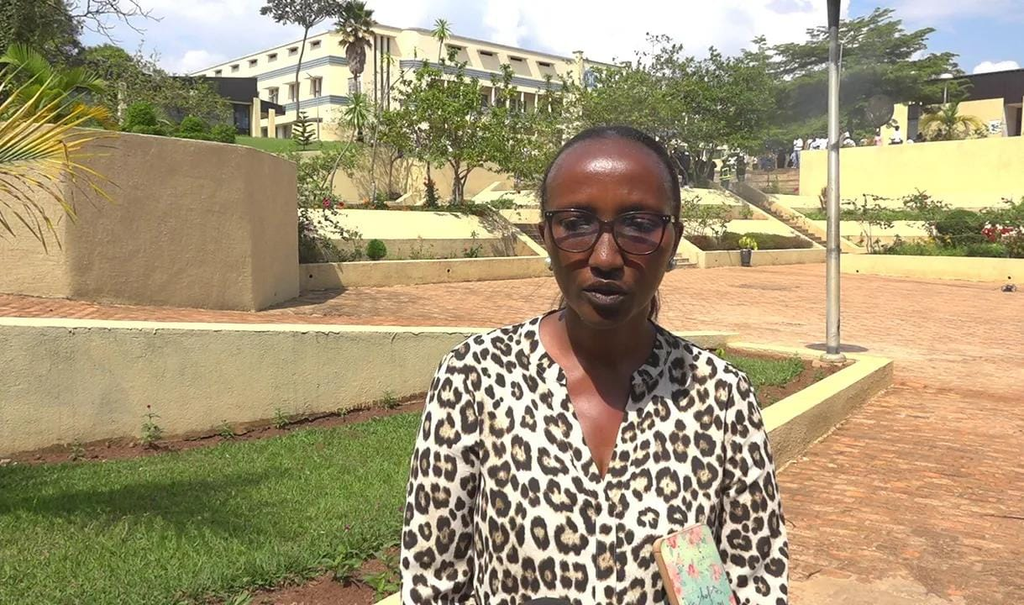
He said: “This training is important because it has helped us understand how to prevent fires and how to fight them if they occur.” Chantal Uwimbabazi, one of the university administrators, said the knowledge gained would help them respond more effectively to fire incidents and use available equipment to prevent and extinguish fires.
She said: “The Police have provided us with training that helps us understand how to respond when a fire occurs and how to do everything possible to prevent it using the equipment we have.” The Rwanda National Police continues to train citizens in different parts of the country on fire prevention and emergency response. The initiative highlights the importance of cooperation between citizens and institutions in protecting lives and property.