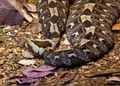





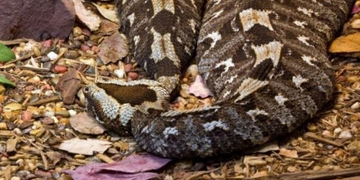

















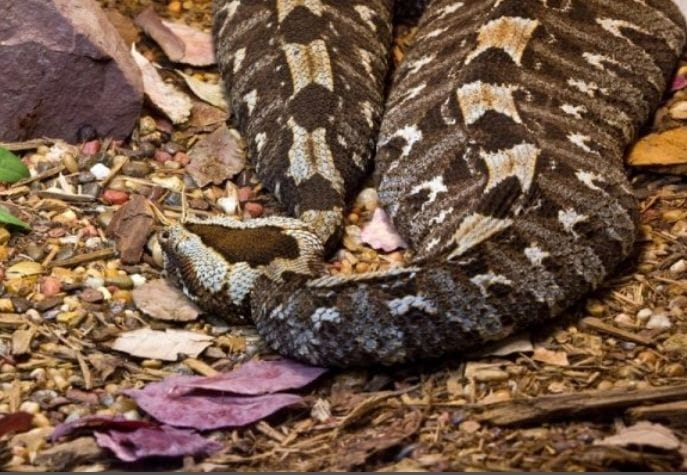
Wherever you may be in forests, fields or even urban areas it is not uncommon to encounter a snake, and in some cases, a person may be bitten. A snakebite is a serious health concern that can lead to severe complications if the victim does not receive prompt medical attention.

Experts advise people who are bitten by a snake to remain calm and seek medical attention as quickly as possible to reduce the risk of serious complications. The World Health Organization (WHO) recommends completely immobilizing the person and transporting them to a health facility as soon as possible.
Ladislas Nshimiyimana, the Acting Head of the Neglected Tropical Diseases (NTDs) and Vector-Borne Diseases Division at the Rwanda Biomedical Centre (RBC), said snakebite victims should follow several important steps.
Remain Calm and Keep the Body Still
The first is to remain calm and stay still. After being bitten, a person should avoid running because physical activity can increase circulation and may contribute to the spread of venom. WHO recommends keeping the person completely immobilized while arranging transport to a health facility.
Another important step is to remove anything tight or restrictive from the body, such as rings, watches, necklaces or tight clothing. This should be done promptly because the area around the bite may swell, and such items could interfere with circulation.
People should not cut the area where the snake has bitten them or attempt to remove the venom. Nshimiyimana said such actions can cause further complications and damage the affected body part.
He said: “Some people try to tie the area around a snakebite, thinking that this will prevent the venom from spreading. However, this can cause serious complications and, in some cases, may result in amputation of the affected body part.”
WHO also advises against using a tight arterial tourniquet, as it can cause serious complications, including tissue damage and gangrene.
ALSO RED: https://agaciropress.com/rwandan-peacekeepers-free-medical-outreach-central-african-republic/
Avoid Traditional Remedies
Experts also advise people against applying traditional medicines, herbs or other unverified substances to a snakebite, as these may delay appropriate medical treatment. WHO specifically recommends avoiding traditional first-aid methods and herbal medicines.
Antivenom is the specific treatment for venomous snakebites and can help prevent or reverse many of the harmful effects of envenoming when administered appropriately. Early access to a health facility is therefore essential.
The Global Impact of Snakebites
The World Health Organization estimates that between 4.5 million and 5.4 million people are bitten by snakes worldwide every year, with between 1.8 million and 2.7 million developing clinical illness as a result of snake envenoming. WHO estimates that between 81,000 and 138,000 people die annually from snakebite complications.
In Africa, an estimated 435,000 to 580,000 people are bitten by snakes each year and require medical attention.
In Rwanda, a 2020 study involving 390,546 people from 763 villages found that an estimated 4.3 people per 1,000 are bitten by snakes each year.