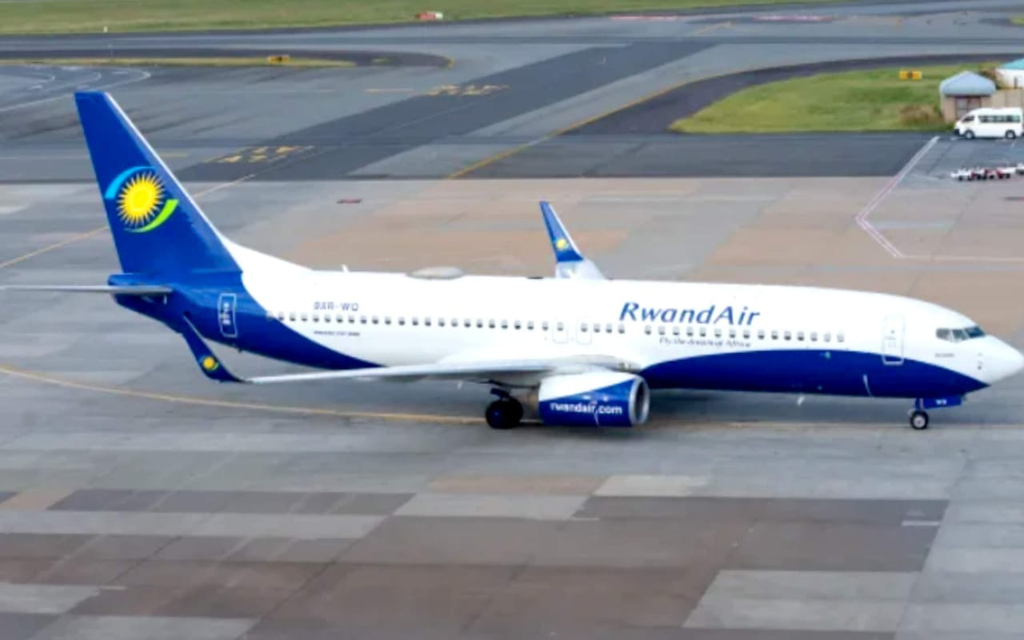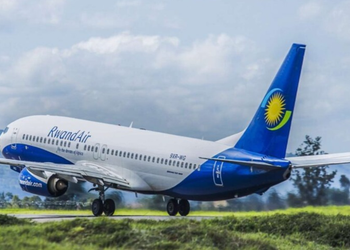
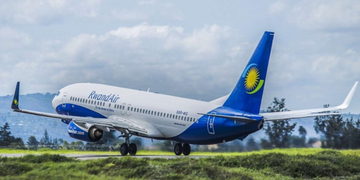


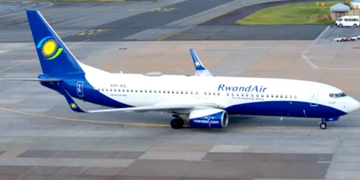



























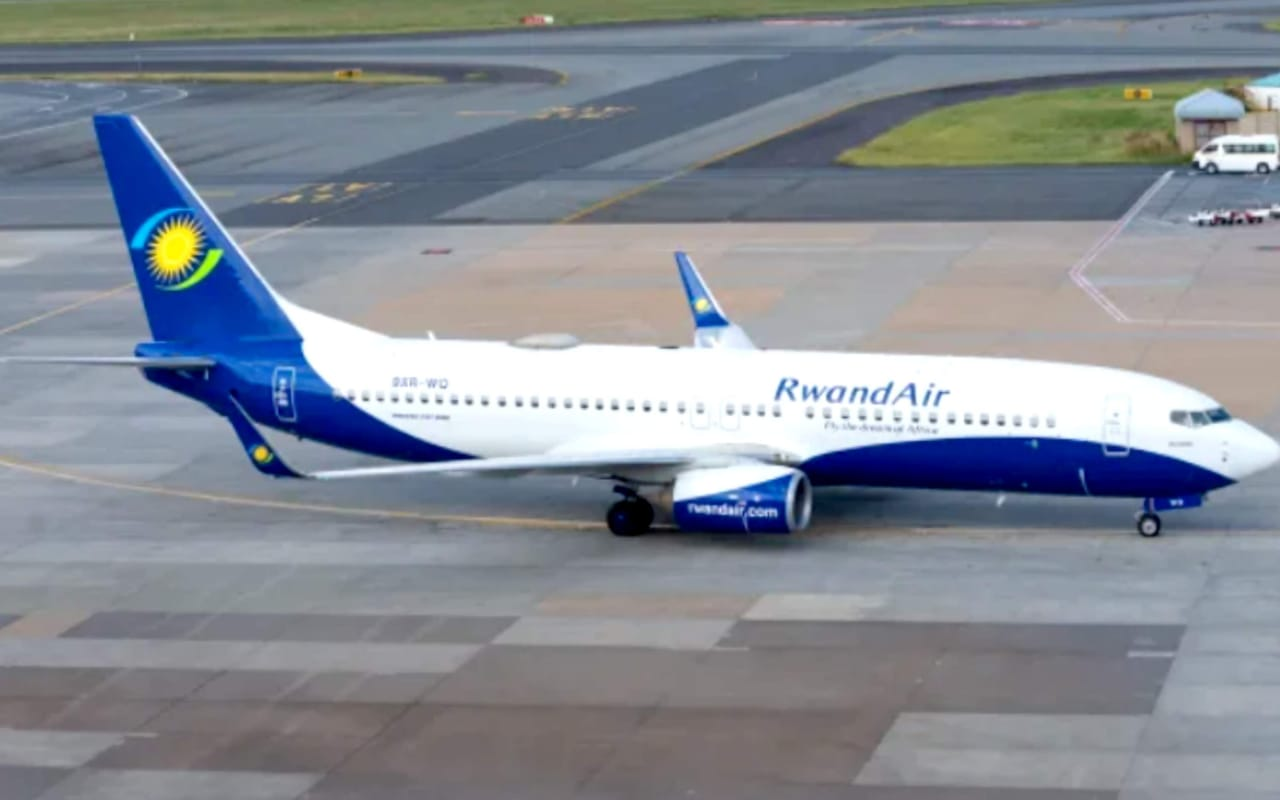
Frankfurt in Germany, Mumbai in India, and Guangzhou in China are among the cities RwandAir is considering as part of a new phase of RwandAir expansion, as the Rwandan airline plans to add five Airbus A330 aircraft to its existing fleet and aims to nearly double the size of its fleet over the next five years.

The plan is part of RwandAir’s broader strategy to expand its long-haul flights, particularly to Europe and Asia, while strengthening Kigali’s position as a hub connecting African cities with international markets.
RwandAir’s Acting Chief Commercial Officer, Reuben Mbonye, told Aviation Week that Europe and East Asia are among the key regions the airline is focusing on as it expands its operations, although it has not yet officially announced where the new routes will begin.
As part of this plan, Frankfurt is being considered as a new destination for RwandAir in Germany, while Mumbai and Guangzhou are among the cities where the airline may resume flights that had previously been suspended.
Currently, RwandAir operates long-haul flights to cities including London, Paris, Brussels, Dubai and Doha. It also operates routes across Eastern, Central, Western and Southern Africa.
ALSO READ: https://agaciropress.com/president-kagame-and-benins-wadagni-take-a-walk-in-kigali/
Five Airbus A330s at the Heart of RwandAir Expansion
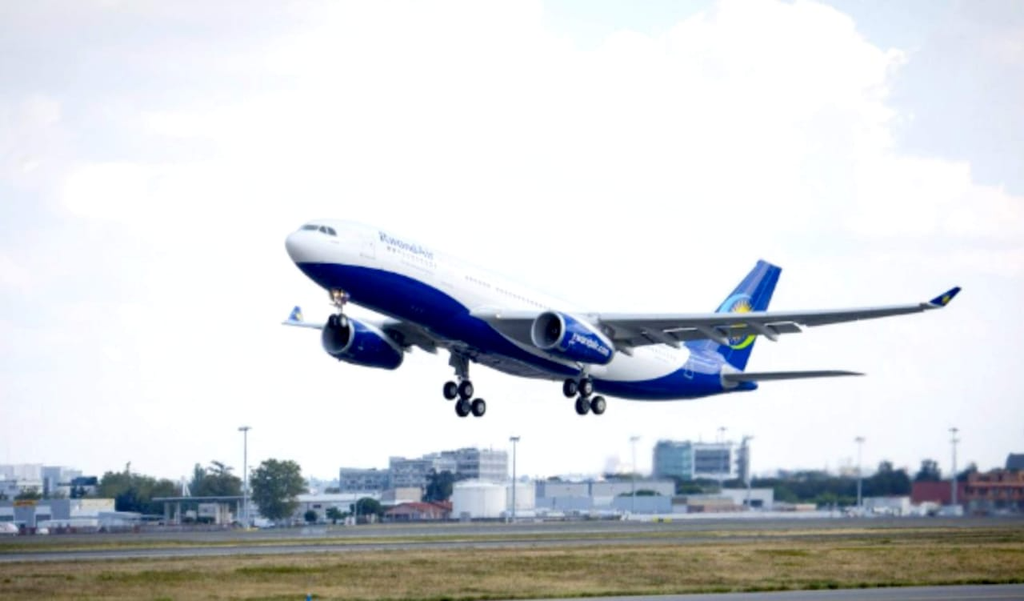
One of the key factors that will help RwandAir implement this plan is the addition of five Airbus A330-200 aircraft to its fleet.
The first of the five aircraft was received in August 2026, while the remaining four will gradually enter service. All five aircraft will be operated under lease agreements.
Depending on their configuration, these aircraft can carry between 220 and 270 passengers.
The first aircraft, which has already started commercial operations, has 226 seats and is being used mainly to increase RwandAir’s capacity on European routes, including increasing the frequency of flights to Paris and Brussels.
RwandAir’s decision to add more A330 aircraft is particularly significant because these aircraft are designed for long-haul flights and can carry a large number of passengers. This gives the airline an opportunity to increase flight frequencies on existing markets and open new ones.
A larger fleet will also give RwandAir greater flexibility in adjusting its flight schedules and improving connections for passengers from different African countries travelling through Kigali before continuing to Europe, Asia or other destinations.
ALSO READ: https://agaciropress.com/volleyball-rwanda-defeat-dr-congo-3-1-at-african-championship/
Passenger Growth Target
RwandAir’s expansion does not end with the five Airbus A330s. Mbonye said the airline aims to nearly double the size of its fleet over the next five years.
This expansion is also expected to be accompanied by a significant increase in the number of passengers.
In the 2023/2024 financial year, RwandAir carried slightly more than one million passengers. Its target is to carry more than 2.1 million passengers annually by 2028/2029, meaning that it aims to more than double its current passenger numbers within a few years. This passenger-growth target is also reflected in Rwanda’s broader aviation planning.
These figures show that RwandAir is not only seeking to expand its destinations but also to significantly increase its passenger-carrying capacity and play a larger role in Africa’s air travel market.
ALSO READ: https://agaciropress.com/297-rwandans-repatriated-after-being-trafficked-abroad/
Bugesera Airport and RwandAir’s Growth
RwandAir’s expansion is also linked to Rwanda’s broader project to construct the Bugesera International Airport.
The airport, which is valued at approximately $2 billion, is being developed in partnership with Qatar Airways, which holds a 60% stake.
The first phase is expected to be completed in 2028 and will have the capacity to handle seven million passengers per year.
In the next phase, expected around 2032, its capacity will double to 14 million passengers annually.
This will give Rwanda greater room to expand international flights compared with the capacity of the existing Kigali International Airport.
Rising Costs Remain a Challenge
Although RwandAir is preparing for expansion, the plan comes at a time when African airlines are facing rising operating costs.
Mbonye said that rising fuel prices have increased RwandAir’s operating costs, forcing the airline to review its fares.
In general, African airlines face challenges including high fuel prices, taxes, airport charges and difficulties accessing certain markets. These factors contribute to making air travel on the continent more expensive.