









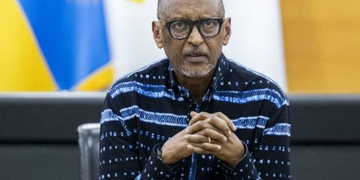



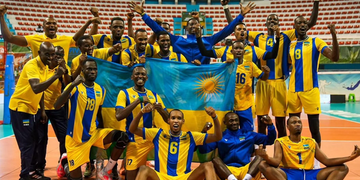






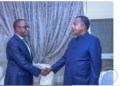
Rwandans can now travel to Botswana without first applying for a visa, following a new agreement signed between the two countries during President Paul Kagame’s official visit to Botswana on May 6, 2026.

The agreement marks a new chapter in relations between Rwanda and Botswana, with both countries also committing to strengthen cooperation in investment, trade, air transport, healthcare and other sectors.
As Botswana opens its doors wider to Rwandans, the country is attracting attention not only as a destination for tourism and business, but also as one of Africa’s most remarkable economic success stories.
ALSO READ: https://agaciropress.com/tshisekedi-apology-rwanda-attack-plan/
A Vast and Peaceful Nation
Botswana, located in Southern Africa, covers about 581,730 square kilometers — roughly 22 times larger than Rwanda. Despite its vast size, it has a relatively small population of about 2.6 million people, making it one of the least densely populated countries on the continent.
For Rwandans planning to visit Botswana, air travel remains the easiest option. A flight from Kigali to the capital city, Gaborone, usually takes between six and eight hours, often connecting through cities such as Lusaka or Johannesburg. Bus travel is also possible for travelers seeking a more affordable journey.
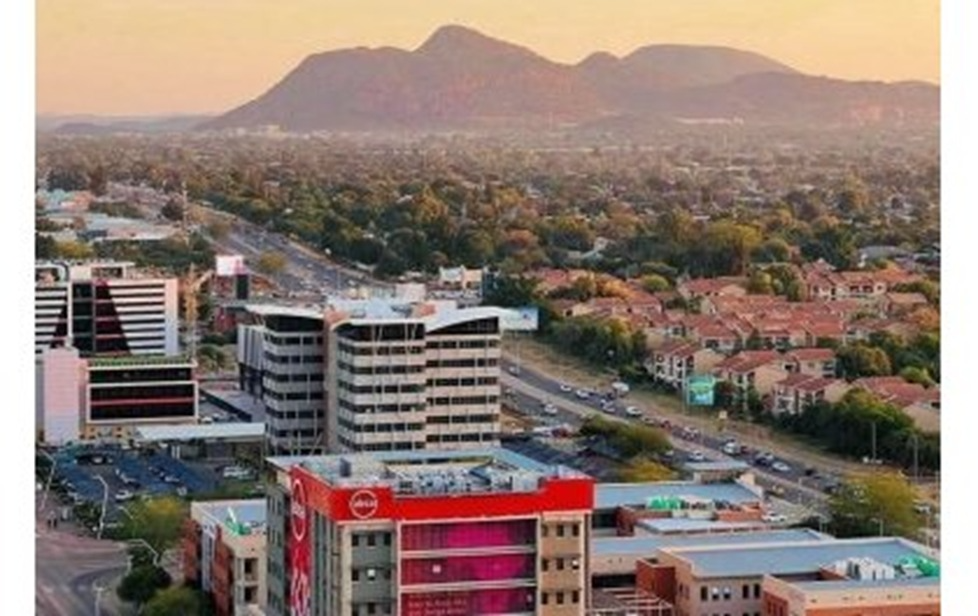
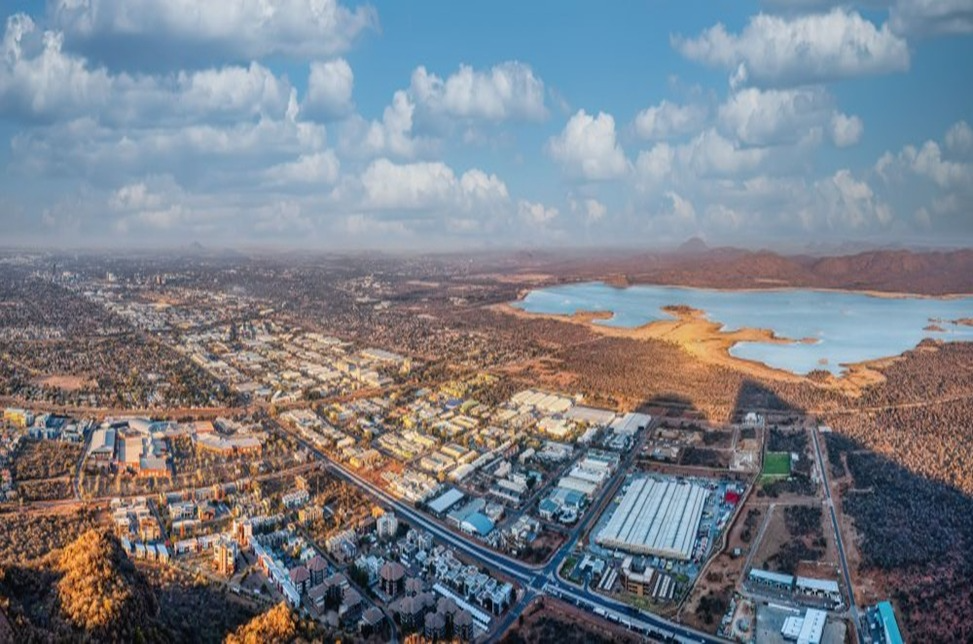
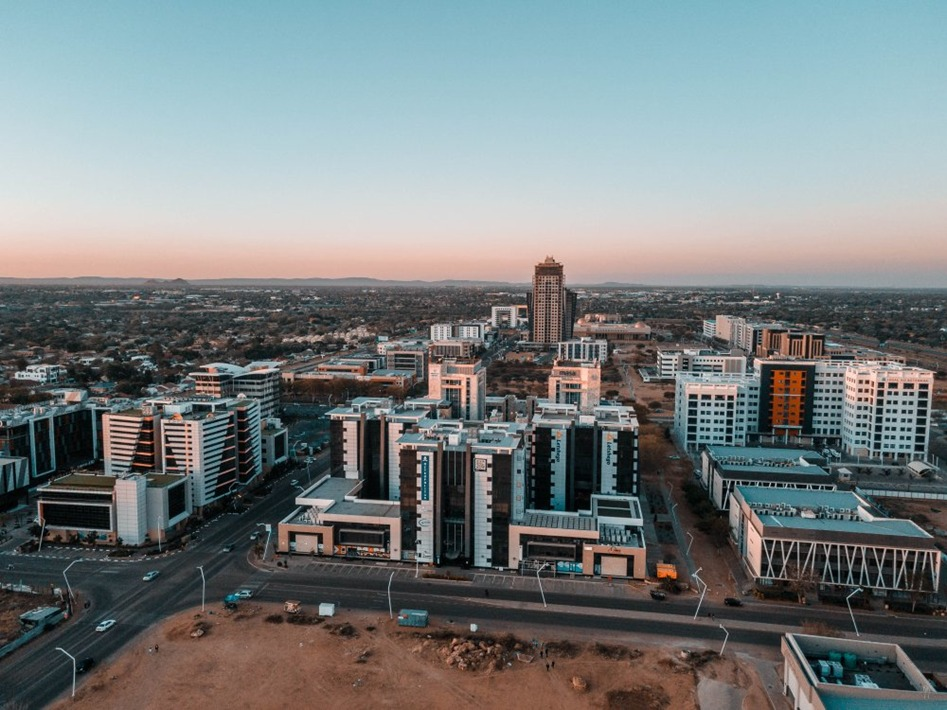
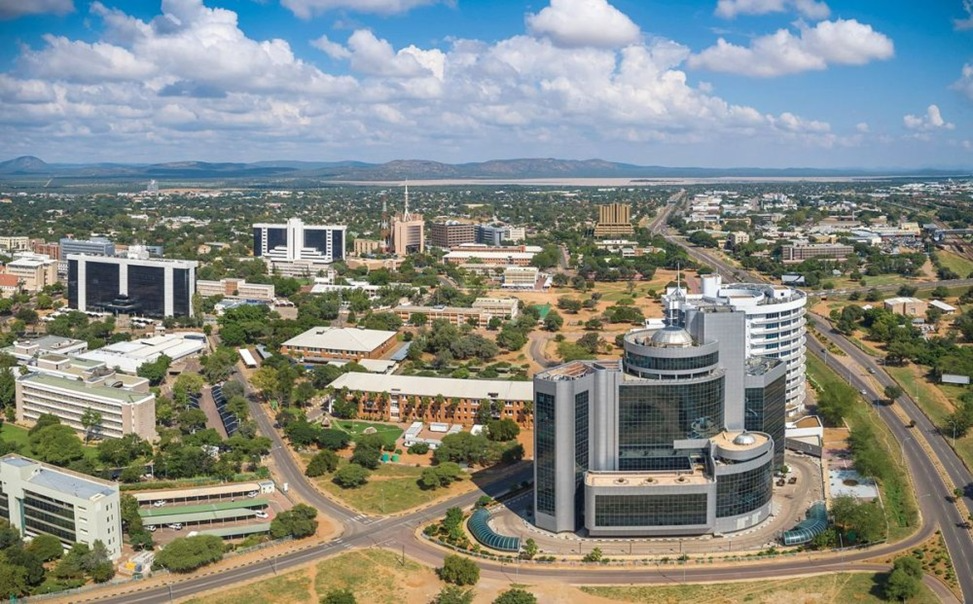
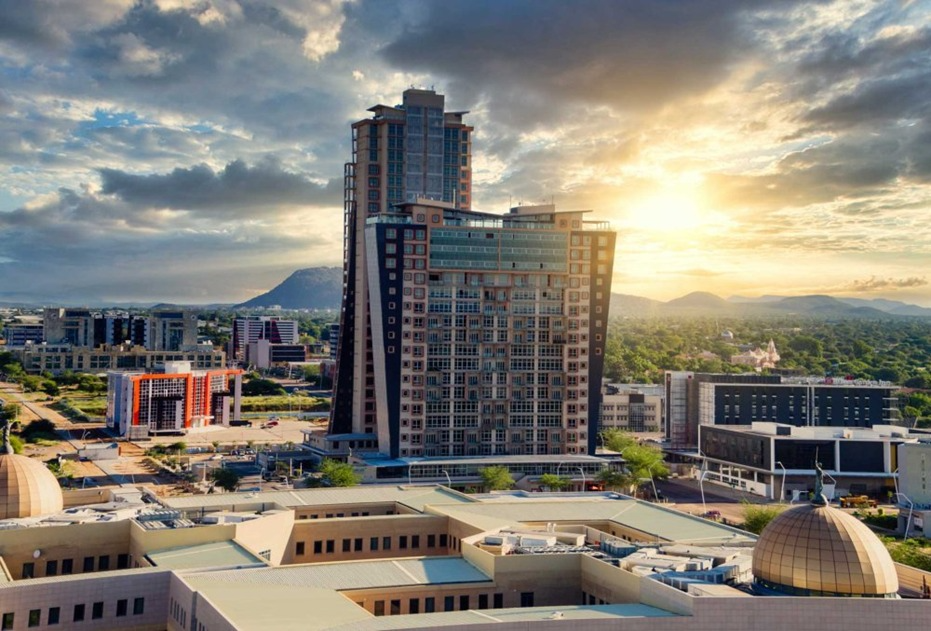
Unlike Kigali’s hilly and compact landscape, Gaborone is wide and open, with long stretches of visible land and little congestion. The city has slightly over 250,000 residents, far fewer than Kigali’s estimated 1.5 million inhabitants.
Education, Language and Culture
Botswana has heavily invested in education, offering free schooling from nursery through university. This has contributed to a highly educated population, especially in urban areas like Gaborone.
English is the official language used in government, education and business, though Setswana remains the most widely spoken indigenous language and is deeply connected to the country’s identity. Other languages spoken include Kalanga, Herero, Khoisan and Shona.
Although Botswana’s population is relatively small, it is culturally diverse, with communities such as the Tswana, Kalanga, San, Herero, Kgalagadi and Ndebele peoples.
ALSO READ: https://agaciropress.com/kagame-rwanda-botswana-governance-africa/
Cost of Living and Food Experience
Botswana’s currency is the Pula, with one Pula currently worth about 109 Rwandan Francs. This means that Rwf100,000 is roughly equivalent to 913 Pula.
Life in Gaborone is considered relatively comfortable. A standard meal often costs between $4 and $15, while fast-food meals at chains like KFC or McDonald’s range from $5 to $8. Dining at upscale restaurants can cost anywhere between $22 and $60 per meal.
Popular restaurants in Gaborone include Two Six Seven, Zen Cafe Lounge, Bull & Bush, Cappuccinos and Mokolodi Restaurant. Traditional food is an important part of Botswana’s culture. One of the most common meals is “pap” or “Phaleche,” similar to Rwanda’s kawunga, usually served with vegetables or meat.
Another famous dish is Seswaa, slow-cooked beef or goat meat prepared until tender and shredded. It is commonly served during weddings and celebrations alongside rice, vegetables or pap. For lovers of porridge, Botswana also has Bogobe, a sorghum-based porridge often mixed with milk. Popular local and regional beers include St. Louis Lager, Castle Lager, Windhoek Lager and Beck’s.
ALSO READ: https://agaciropress.com/posthumous-sperm-donation-infertility-study/
Tourism and Wildlife
Botswana is widely recognized as one of Africa’s top eco-tourism destinations. Among its most visited attractions are the Okavango Delta, Chobe National Park, Makgadikgadi Pans National Park, the Kalahari Desert, Nxai Pan National Park and Gaborone Game Reserve.
Visitors hoping to connect with locals can greet them by saying “Dumelang,” meaning “hello.” To ask how someone is doing, one can say “O kae?” while “O tsogile jang?” means “How was your night?” or “Good morning.”
HIV/AIDS Remains a Major Concern
Despite its economic progress, Botswana continues to face a significant HIV/AIDS burden. Among people aged 15 to 49, infection rates remain between 20% and 25%, meaning roughly one in five adults is living with HIV. Nationally, more than 360,000 people are estimated to be living with the virus.
How Diamonds Transformed Botswana
Botswana gained independence from Britain on September 30, 1966. At the time, the country was known as Bechuanaland and had very limited infrastructure, weak healthcare systems and widespread poverty. Its economy largely depended on cattle farming and agriculture. Seretse Khama became the nation’s first president and led the country during its formative years.
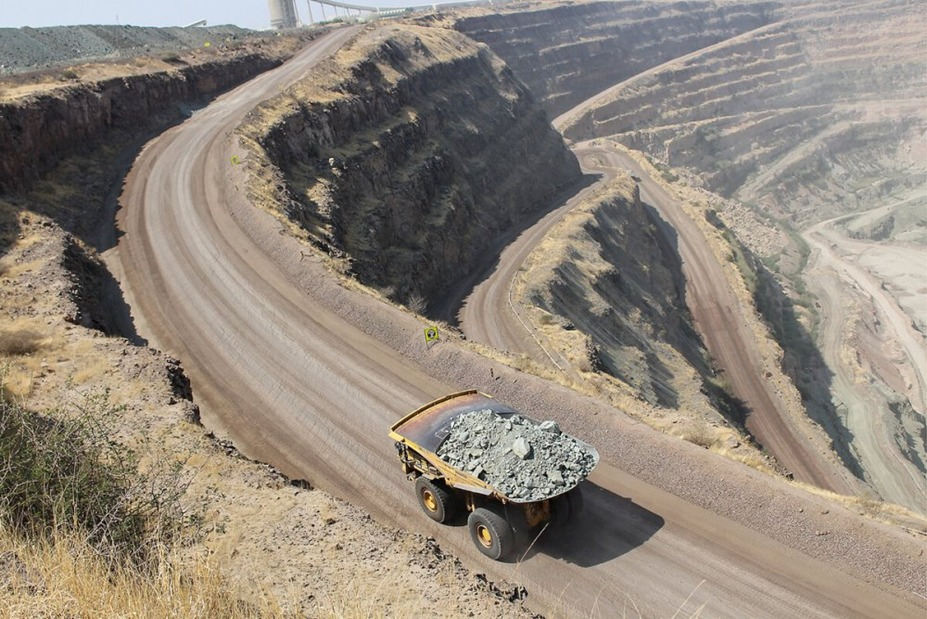
A turning point came in 1967 when diamonds were discovered in Orapa. Within a few years, the Orapa mine became one of the world’s leading diamond-producing sites. Revenue from diamonds transformed Botswana’s economy. The government invested heavily in roads, education, electricity and healthcare. Between 1970 and 1999, the country’s economy grew by an average of about 9% annually.
Today, Botswana ranks among Africa’s most stable economies. By 2025, its Gross Domestic Product stood at around $19.5 billion, with diamonds contributing nearly 30% of economic output.
ALSO READ: https://agaciropress.com/tshisekedi-third-term-debate-drc/
Diamonds account for about 80% of Botswana’s exports, placing the country among the world’s top diamond exporters. Every year, Botswana sells diamonds worth approximately $3.3 billion, and around 40% of government revenue comes from the sector.
Before diamonds were discovered, more than half of Botswana’s population lived below the poverty line. Today, that figure has dropped to about 16%. Life expectancy has risen from around 40 years to nearly 70 years, while about 90% of citizens now have access to electricity.
Free Education and Healthcare Services
Education is free from primary school to university, and students also receive government support for living expenses. Basic healthcare services are provided free of charge as well.
Botswana is now working to diversify its economy beyond diamonds by investing more in agriculture, tourism and manufacturing, ensuring long-term economic sustainability for future generations.













Comments 1