































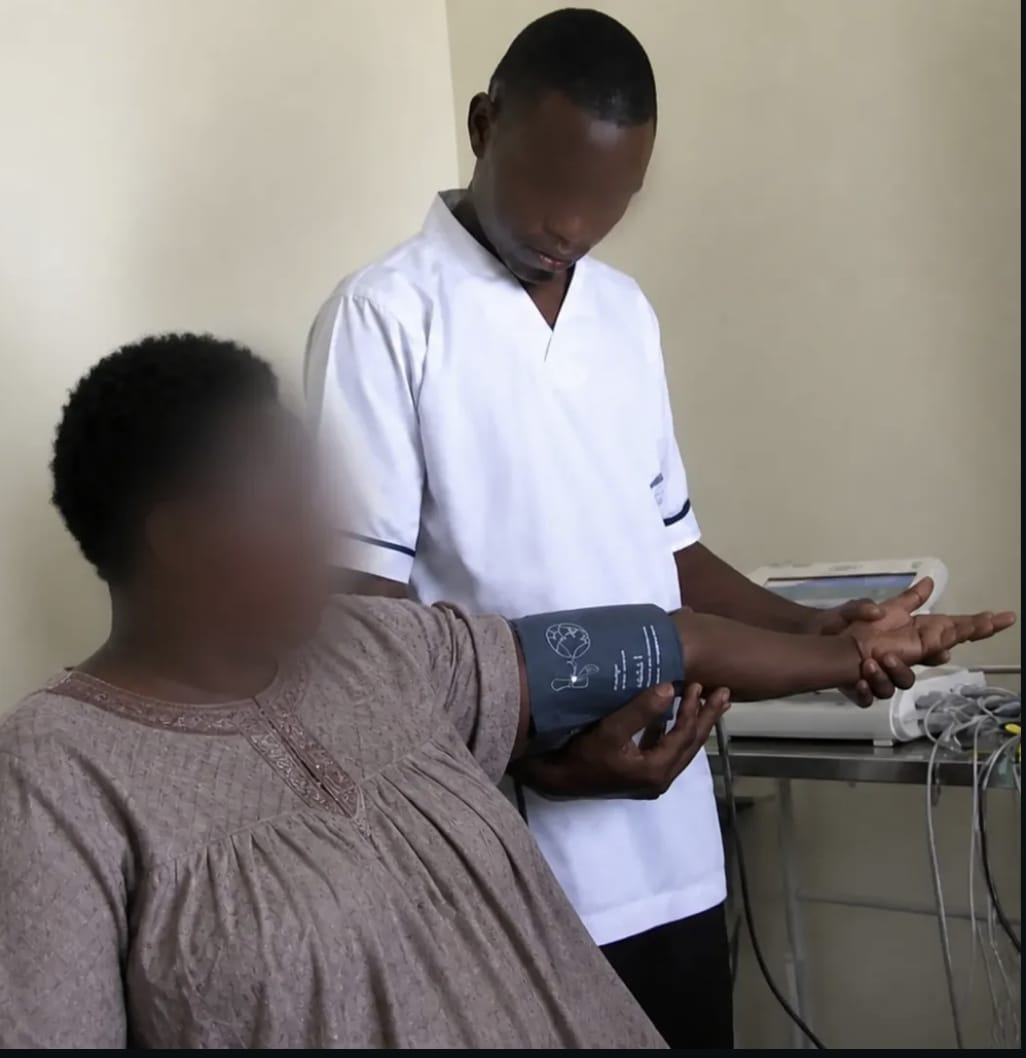
In Nyagatare District, local authorities together with health institutions are intensifying efforts to prevent and fight non-communicable diseases that mainly affect older people. These efforts focus on awareness campaigns and early health screenings to help citizens understand their health status and receive timely medical care when needed.

Awareness Campaigns and Early Health Screening Initiatives
The district continues to organize awareness campaigns encouraging residents to undergo regular medical checkups. These initiatives aim to ensure early detection of diseases so that treatment and follow up can be provided without delay.
ALSO READ: https://agaciropress.com/tshisekedi-third-term-debate-drc/
Current Statistics of Non-Communicable Diseases in the District
During the 2025–2026 performance year, Nyagatare District recorded about 677 residents living with non-communicable diseases. These patients are currently receiving treatment at various health centers and hospitals across the district.
Common Non-Communicable Diseases Affecting Residents
High blood pressure and diabetes are among the most common non-communicable diseases affecting residents. Health experts explain that these conditions are largely influenced by unhealthy lifestyles, including poor nutrition, lack of physical exercise, and old age.
ALSO READ: https://agaciropress.com/president-kagame-visits-botswana-diamond-trade/
District Leadership Priorities in Disease Prevention
The leadership of Nyagatare District has prioritized the prevention of non-communicable diseases as part of its performance targets. This includes promoting healthy lifestyles and encouraging regular medical checkups among citizens.
Health Promotion Activities and Lifestyle Change Programs
Ongoing activities include educating citizens about proper nutrition, encouraging regular physical exercise, reducing excessive alcohol consumption, and promoting routine health screenings in order to improve overall community health.
ALSO READ: https://agaciropress.com/posthumous-sperm-donation-infertility-study/
Remarks by the Vice Mayor on Social Affairs, Mureketete Juliet
The Vice Mayor in charge of Social Affairs, Mureketete Juliet, emphasized that the district aims to reduce the number of people affected by these diseases while increasing life expectancy. She highlighted that life expectancy has improved from 46.4% in 1976 to 70.2% in 2022.
Progress in Life Expectancy and Health Improvements
She stated that continuous awareness campaigns are essential in helping citizens understand prevention methods. She also encouraged regular medical checkups at least once a year and adoption of healthier lifestyle habits to further reduce disease cases and improve life expectancy.